New Hit Singles
  • Home
  • News
  • Hit Singles
  • Contact Us
post image

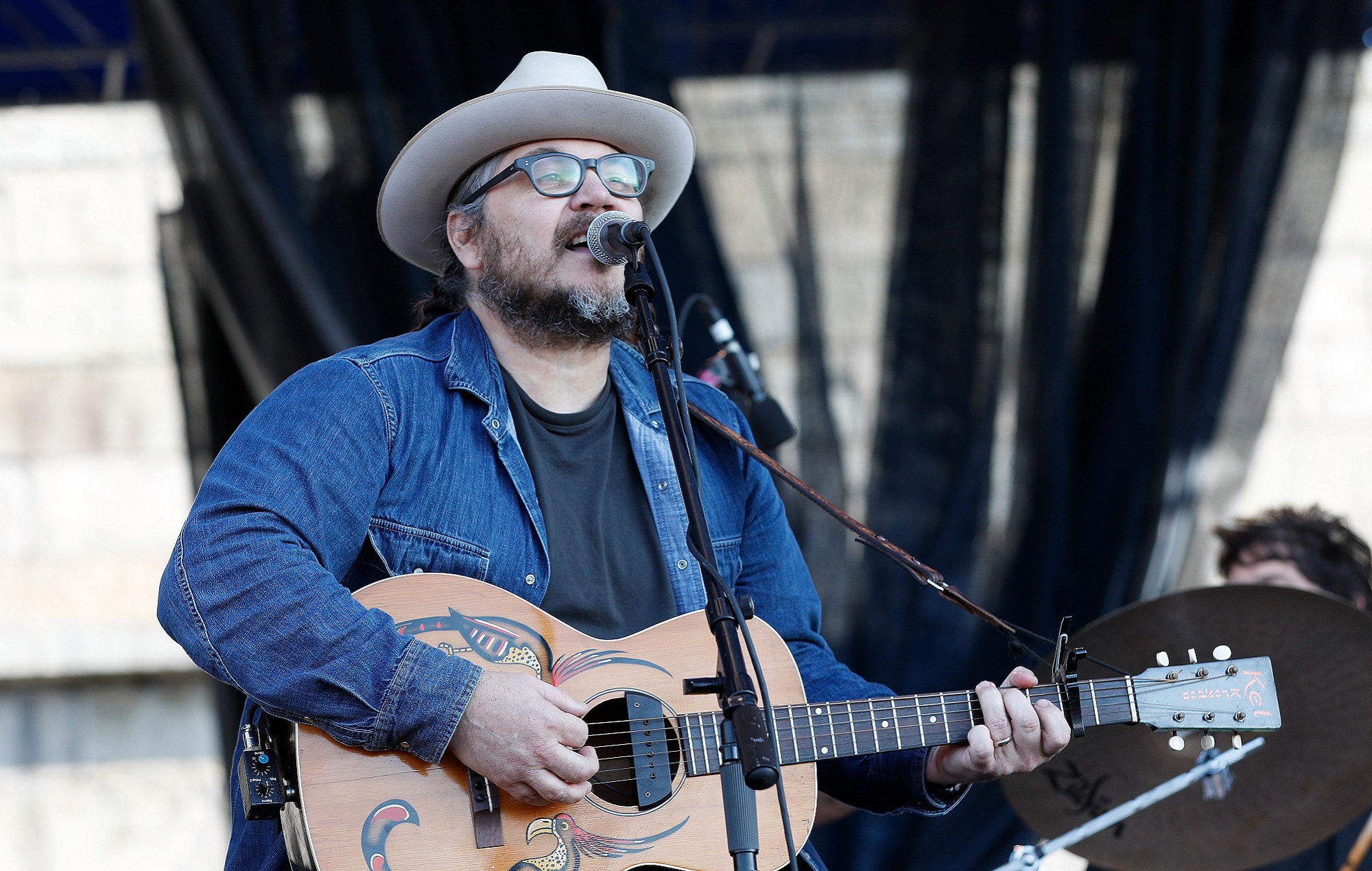
Wilco announce rescheduled 2021 US tour dates

Wilco have announced new dates for a planned run of shows across the US, following coronavirus-enforced postponements.

  • READ MORE: Wilco – ‘An Ode to Joy’ review: a quietly triumphant return to form

Originally announced in March 2020, the band will embark on their ‘It’s Time’ co-headline tour with Sleater-Kinney throughout this August. Wilco will then go it alone for a number of festival and solo headline shows.

In October, the band will then begin the ‘Ode To Joy’ tour, in support of their 11th LP ‘An Ode To Joy’. The shows were first announced back in 2019.

Advertisement

As well as rescheduled shows for which original tickets remain valid, the ‘Ode To Joy’ tour will also include five new dates.

The wait is over.

The west coast Ode To Joy tour kicks off in October 2021.

Shows in Portland, Eugene, Olympia, Bellingham, Seattle, Napa, San Jose, Oakland, Santa Barbara, Las Vegas, Los Angeles go on sale Friday, June 25. A limited Wilcoworld presale begins Wednesday. pic.twitter.com/afNS1F2YT4

— WILCO (@Wilco) June 22, 2021

Wilco’s full touring schedule for 2020 is as follows. The * symbol indicates shows with Sleater-Kinney, and the ~ symbol indicates a newly added show.

AUGUST
5 – Spokane, WA, First Interstate Center for the Arts *
7 – Missoula, MT, The Kettlehouse Amphitheatre *
8 – Salt Lake City, UT, Red Butte Garden *
10 – Morrison, CO, Red Rocks Amphitheatre *
12  – Kansas City, MO, Arvest Bank Theatre at The Midland *
13 – Maryland Heights, MO, St Louis Music Park *
14 – Atlanta, GA, Cadence Bank Amphitheatre at Chastain Park *
15 – Nashville, TN, Ascend Amphitheater *
17 – Asheville, NC, Salvage Station *
18 – Richmond VA, Altria Theatre *
20 – Columbia, MD, Merriweather Post Pavilion *
21 – Forest Hills, NY, Forest Hills Stadium *
22 – Philadelphia, PA, Mann Center for Performing Arts *
24 – Boston, MA, Leader Bank Pavilion *
25 – Portland, ME, Thompson’s Point *
26 – Lewiston NY, Artpark Amphitheater *
28 – Chicago, IL, Millennium Park Pritzker Pavilion *
29 – Columbus, OH, Wonderbus Festival *
SEPTEMBER
10 – Milwaukee, WI, Summerfest
12 – Chattanooga, TN, Moon River Festival
16 – Des Moines, IA, Water Works Park
17 – Ashwaubenon, WI, Capital Credit Union Park
18 – Welch, MN, Treasure Island Amphitheater
OCTOBER
5, 6 – Portland, OR, Arlene Schnitzer Concert Hall
8 – Eugene, OR, McDonald Theatre ~
9 – Olympia, WA, Washington Center ~
10 – Bellingham WA, Mt Baker Theatre ~
12, 13 – Seattle, WA, Paramount Theatre
15 – Napa, CA, Oxbow RiverStage ~
16 – San Jose, CA, San Jose Civic
17, 18 – Oakland, CA, Fox Theater
20 – Santa Barbara CA, Santa Barbara Bowl ~
22 – Las Vegas, NV, Brooklyn Bowl
23 – Los Angeles, CA, Hollywood Palladium
25, 26 – Los Angeles, CA, Orpheum Theatre

The majority of shows are sold out, with the remaining tickets available for purchase here.

Last week, meanwhile, Wilco’s Jeff Tweedy shared a new song as Scott Tanner, his character from his Parks and Recreation cameo.

Advertisement

In the show, Tanner was the frontman of local band Land Ho! which Chris Pratt’s character Andy Dwyer successfully reunited for a benefit concert.

Tweedy (as Tanner) performs ‘Cold Water’ on ‘The Awesome Album’, the recently-announced debut album from Dwyer’s fictional band in the show, Mouse Rat.

post image

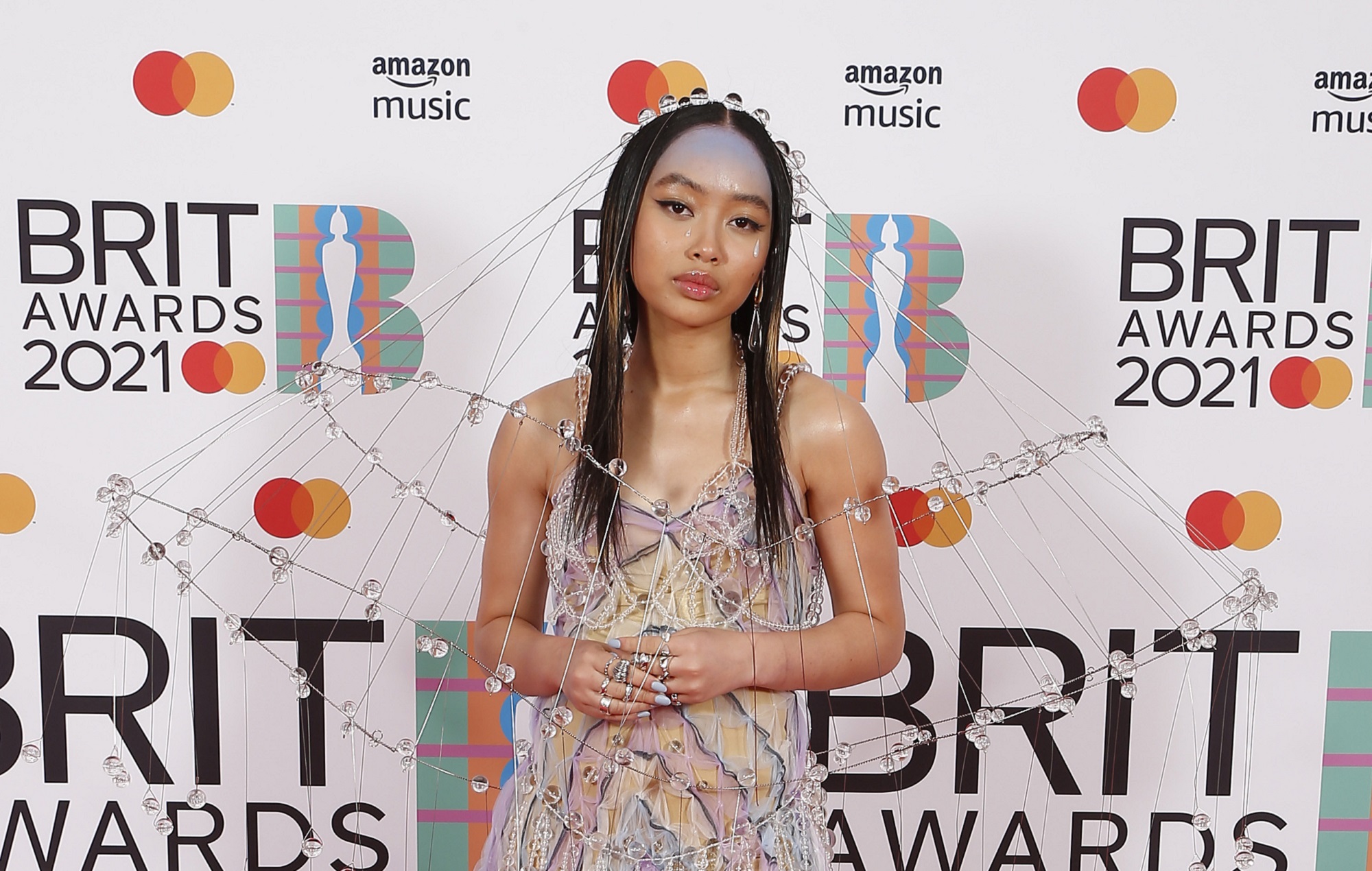
Watch Griff’s soulful live cover of The Weeknd’s ‘Save Your Tears’

Griff delivered her take on The Weeknd‘s ‘Save Your Tears’ during her appearance on BBC Radio 1’s Live Lounge.

  • READ MORE: Griff – meet Britain’s next great pop star

The BRITs Rising Star winner took a soulful, stripped-back approach to the synth-driven original for her performance, which you can watch below.

Elsewhere during her appearance, Griff performed live takes on her January hit ‘Black Hole’ as well as her latest single ‘One Foot In Front Of The Other’.

Advertisement

The mixtape ‘One Foot In Front Of The Other’ arrived last week. In a five-star review, NME described the release’s title track as “sheer pop perfection […] a delicious cut, stuffed with euphoric hooks and sparkling production”.

Last week, meanwhile, Griff performed a mesmerising rendition of ‘Black Hole’ on The Late Show with Stephen Colbert, with Griff performing inside an abandoned building.

In an interview with NME on the red carpet at the 2021 BRITs, Griff reflected on her achievements over the past year.

Advertisement

“I think I feel really proud of myself and my team,” she said. “It’s kinda hard to break through as a new artist anyway and especially to do it in a year when we’re not meeting people. I think there’s definitely been a lot of hard work behind the scenes and it feels like it’s paying off.”

Last month, meanwhile, The Weeknd delivered his own live take on ‘Save Your Tears’ for the Billboard Music Awards, performing in a parking lot along with a fleet of elaborately choreographed cars.

post image

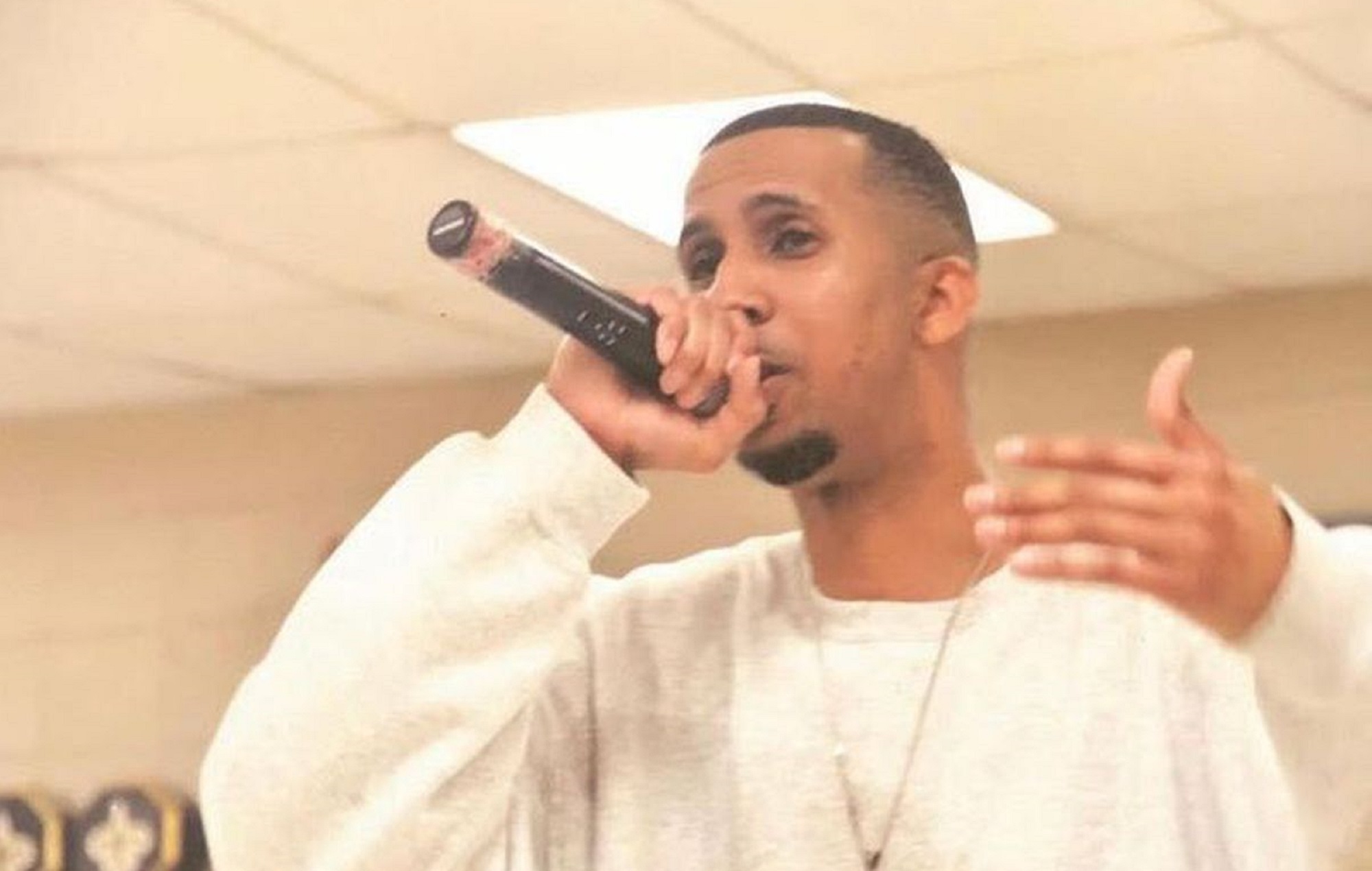
Former No Limit rapper Mac Phipps paroled from manslaughter conviction

McKinley ‘Mac’ Phipps, formerly a rising rap star signed to Master P‘s No Limit Records, has been granted parole after serving over two decades of jail time for manslaughter.

Phipps was incarcerated following an incident at a performance at a club in St. Tammany Parish, Louisiana, in 2000. After a fight broke out at the venue, 19-year-old Barron Victor Jr. was shot and killed, with Phipps arrested and later convicted for the crime.

The rapper has long maintained his innocence amid a lack of strong evidence. In 2014, The Lens published the results of a three-month investigation claiming that a key witness said she was coerced into identifying Phipps as the shooter because of investigators’ threats to charge her.

Advertisement

The Huffington Post later reported that four other witnesses also said they were threatened, intimidated or ignored by investigators, and in 2016 obtained the videotaped confession of a security guard at the club telling police that it was he who had killed Victor. The security guard was not charged.

Phipps had twice appealed for clemency, which would allow for his conviction to be pardoned. The first failed, however the second, earlier this year, saw Louisiana Governor John Bel Edwards recommend immediate parole eligibility.

Now, the Louisiana Board Of Pardons And Commitee On Parole has made a unanimous decision to grant him parole from a sentence that originally would have kept him incarcerated until 2030. The date for his release is yet to be confirmed.

“I want to say thank you for this opportunity,” Phipps said during the hearing, which you can see in full above.. “I definitely want to say I’m sorry to the family of the victim and to just anyone who was affected by this.”

It was noted during the hearing that Phipps had not incurred a single disciplinary infraction during his time in prison. He also participated in programs where he would mentor younger inmates.

Advertisement

His parole will initially be under the conditions of a 9pm-6am curfew, six hours of community service a month with at-risk youth, and the promise to avoid establishments which serve alcohol.

In 2015, Killer Mike of Run The Jewels spoke out about the use of rap lyrics as evidence during Phipps’ trial.

In an article for Vox, Mike said there was “no physical evidence connecting Phipps to the crime” and that “multiple eyewitnesses [identified] a different shooter”. It continued: “The prosecutor went after Phipps’ art, relying on a tactic that dates back to the Jim Crow South: he punished black speech”.

post image

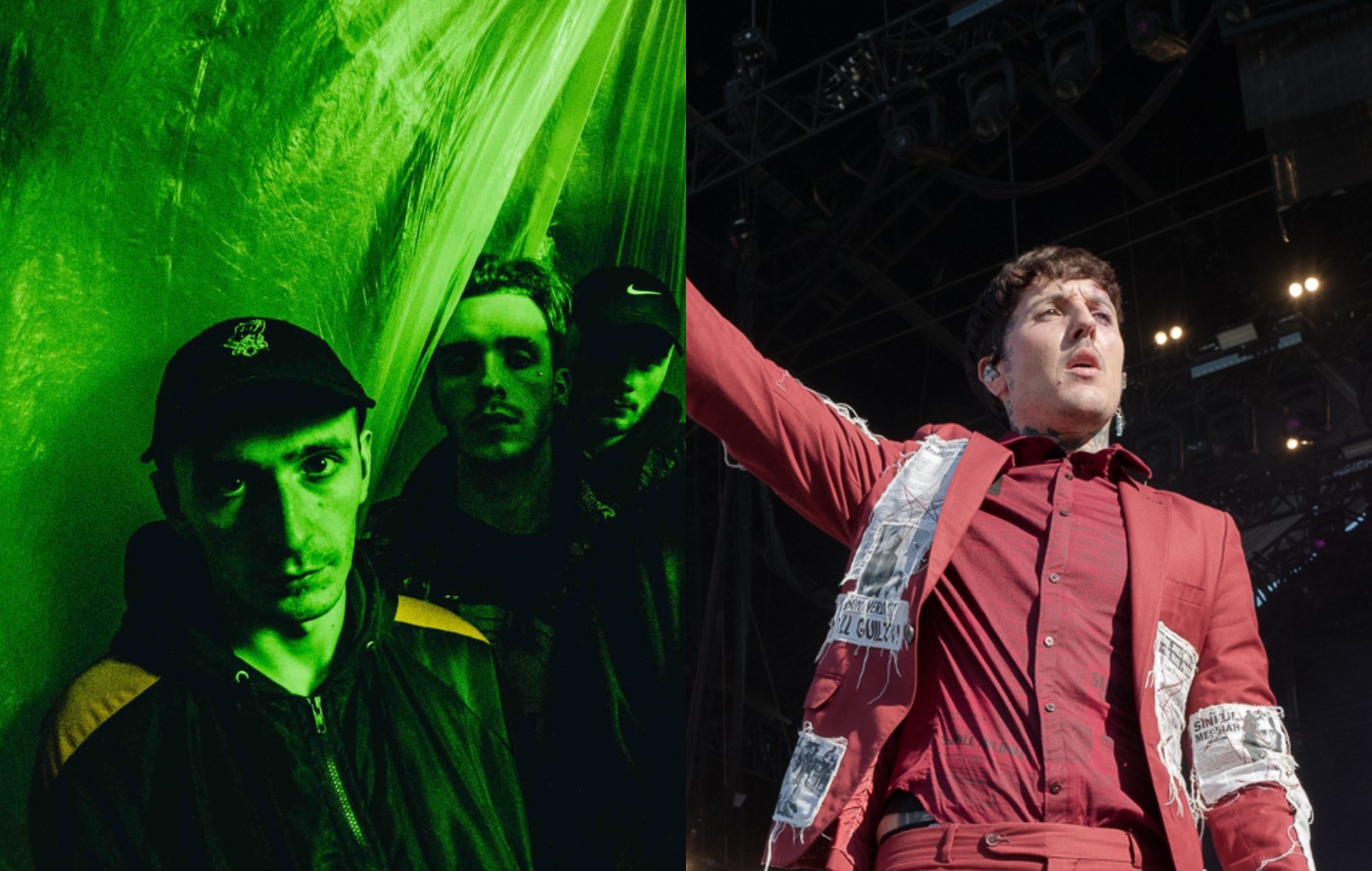
Lotus Eater announce new single ‘Obliterate’ featuring Bring Me The Horizon’s Oli Sykes

Glasgow heavy metal outfit Lotus Eater have announced a new single featuring their long-time admirer Oli Sykes of Bring Me The Horizon.

  • READ MORE: Lotus Eater: five reasons to love Oli Sykes’ favourite new heavy band

The band revealed on social media that the new single, ‘Obliterate’, will arrive on Thursday (June 24) along with a short snippet of intensely heavy music.

Obliterate featuring Oli Sykes of Bring Me The Horizon.

24th June.

Presave now: https://t.co/3bpW5hOLip pic.twitter.com/7QOZzfWKAi

— LOTUS EATER (@lotuseateruk) June 20, 2021

Advertisement

The group have already played the track live, debuting it as part of their set at last weekend’s Download Festival Pilot.

Sykes first declared his admiration for Lotus Eater back in 2019, describing them as “A band making heavy music like it should be done.” He made the comments during a set at All Points East Festival, before inviting Lotus Eater’s Jamie McLees onstage for a performance of ‘Antivist’.

“The main part of ‘Antivist’ is “middle fingers up” and a lot of my stage presence is middle fingers up to the crowd,” McLees later told NME.

“I don’t really get nervous before many things and luckily, being onstage with Bring Me The Horizon was one thing that I didn’t get nervous about.

Lotus Eater also appeared on the track ‘Underground Big {HEADFULOFHYENA}’, part of Bring Me The Horizon’s surprise ‘Music To Listen To’ project at the end of 2019.

Advertisement

Yesterday, meanwhile, Sykes shared a snippet of new Bring Me The Horizon music and asked fans if their new sound is “too crazy”.

The band are currently working on the follow-up to October 2020’s ‘Post Human: Survival Horror’, which was the first in a planned series of ‘Post Human’ releases.

post image

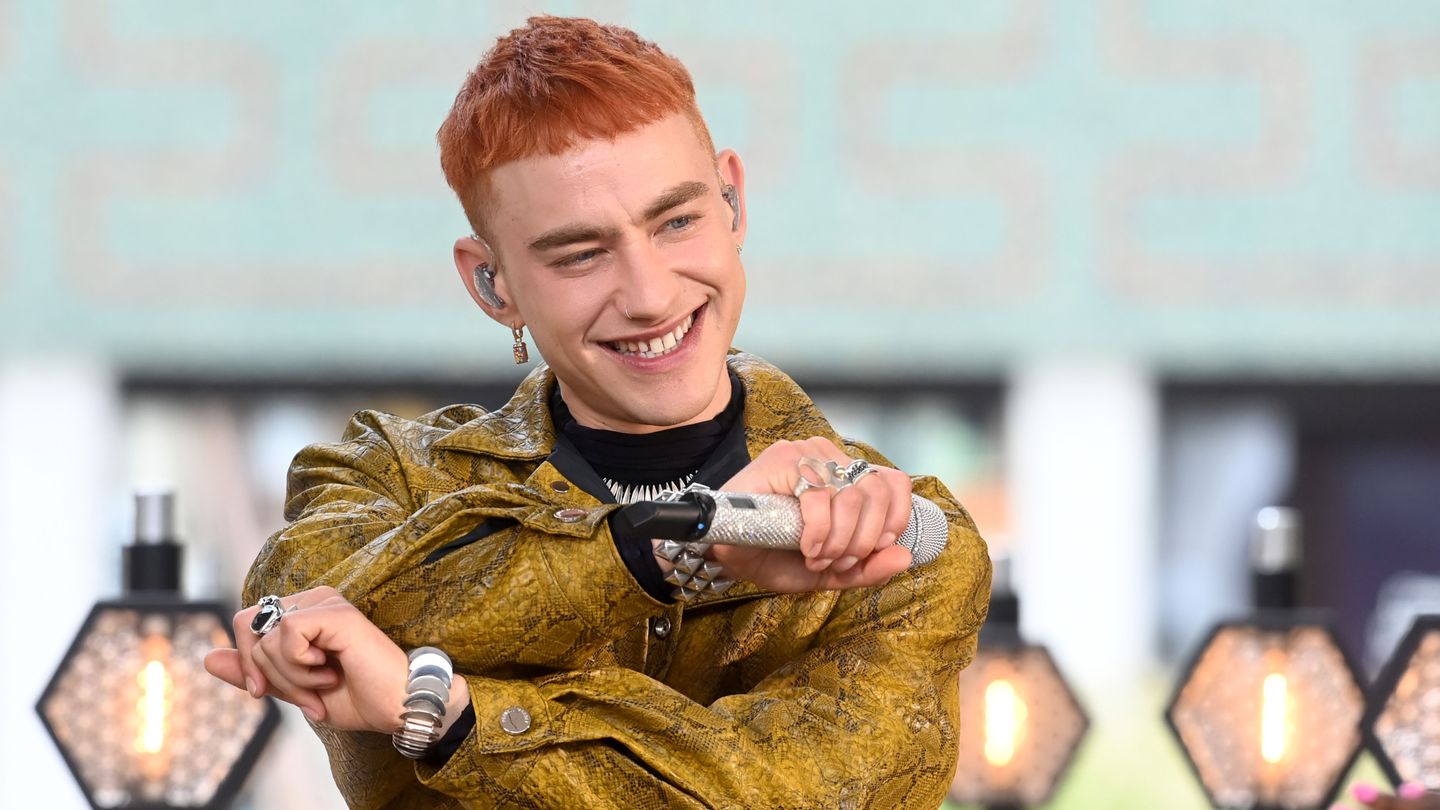
Olly Alexander’s Cover Of Lady Gaga’s ‘Edge Of Glory’ Is Queer AF

Olly Alexander is getting the queer party started.

On Tuesday (June 22), the Years & Years soloist and It’s a Sin star dropped his new magical cover of the iconic Lady Gaga hit “The Edge of Glory.” The new version comes three days ahead of the special anniversary release of Born This Way Reimagined: The Tenth Anniversary.

https://www.youtube.com/watch?v=sLeHpCrsDVo&t=238s

Adding a sparkly electro-pop flair to the original’s arena-sized grandeur, Alexander brings the opportunity for LGBTQ+ people to dance and celebrate their queerness. And Twitter fans are living for it.

https://twitter.com/HausOfBrad_xx/status/1407278229443039237?s=20
https://twitter.com/adamfelixobrien/status/1407268846168313859?s=20

While Born This Way Reimagined will still contain its original 14 songs, the album also has a series of new covers from several featured artists who represent and advocate for the LGBTQ+ community. Alexander’s version is the fourth cover to be released thus far.

Other artists already featured include Big Freedia, Orville Peck, and Kylie Minogue.

Freedia’s hip-hop bounce cover of “Judas” was the first of the cover series that dropped on May 28. Peck followed, releasing his country-road version of “Born This Way” on June 4. Minogue recently dropped her disco-pop cover on “Marry the Night” last week.

The remaining guest covers for “Highway Unicorn (Road to Love)” and “Yoü and I” are to be announced.

Born This Way Reimagined: The Tenth Anniversary will be released later this week on Friday, June 25.

post image

Rina Sawayama’s ‘Chosen Family’ Is The Budding Queer Anthem Uniting Global Fans

By Hugh McIntyre

“Where do I belong?”

This question opens Rina Sawayama’s touching and heartfelt “Chosen Family,” and it is one that far too many LGBTQ+ people have had to ask themselves as they navigate existing authentically in a world that still largely sees them as “other.” The query pops up constantly in the lives of those who identify as part of the community, as they can so often feel uninvited, unincluded, or unwelcome at school, in the workplace, or worst of all, at home. According to the Trevor Project, queer youth are “almost five times as likely to have attempted suicide compared to heterosexual youth.”

“I lost relationships with quite a bit of my actual family after coming out, which was devastating for me at the time,” explained Elvis, a queer 23-year-old Sawayama fan from Dallas, Texas. “But over the years I've been blessed to meet people that I'm lucky enough to now know as my chosen family.”

Elvis is one of many young people around the world who have found solace in Sawayama’s “Chosen Family,” an ode to dedicating love and attention to those who deserve it, no matter where they come from. As the singer croons on the chorus of the budding LGBTQ+ anthem, “We don't need to be related to relate / We don't need to share genes or a surname.”

“Chosen Family” is featured on the Japanese-English singer-songwriter’s debut full-length Sawayama, which was released in mid-2020 to widespread critical acclaim. The 13-song set is one of the most diverse releases in the pop field in terms of genre exploration, as the musician jumps from late-‘90s teenybopper pop to nu-metal to balladry. That might sound like a mess, and in the hands of someone less skilled, it probably would be. Thankfully, Sawayama pulls the whole thing off brilliantly, and her ability to encompass so many styles and references into one project and make it all work sets her apart.

https://www.youtube.com/watch?v=GTDRg5G77x4

“Chosen Family,” the slowest song on the full-length, has been a fan favorite since it dropped, but it recently grabbed headlines as it was re-released as a duet with none other than Elton John. “‘Chosen Family” is like a hymn,” the pianist told the New York Times’s T Magazine in a joint interview with Sawayama. “You can hear it being performed by a gospel choir.” The track was written specifically for the LGBTQ+ community, but with the knighted legend on board, it is reaching new audiences everywhere. John’s celebrity has surely helped it spread across the globe like never before, to places where some fans desperately needed to hear it.

“I’m not close to my parents at all. I’m not out to them yet,” confessed Shoval, a 21-year-old lesbian living in Tel Aviv. “They’re religious and I’m not feeling ready right now.”

Upon hearing “Chosen Family” for the first time, Shoval says she “felt so understood and safe, and the tears started immediately. I was thinking about my chosen family, my closest friends... ‘Chosen Family’ is our song, our safe place.”

This is, unfortunately, not an unusual story. The Washington Post reported in 2017 that 1.6 million young people experience homelessness in the U.S. every year; 40 percent of them identify as LGBTQ+. To put that figure into perspective, at the time, LGBTQ+ youth represented just 7 percent of the overall population. Countless people like Shoval sometimes have to decide between being open and honest with those they love about who they really are or remaining a member of the families they were born into. That sad fact is what drove Sawayama to pen the song.

“The concept of family has broadened for me over the years,” Sawayama told MTV News in 2020. “I think a lot of queer people especially, they need to broaden their definition of family. Often you see your family and it’s not what Hollywood shows you — it’s not the happy nuclear family unit. But you can grow your own family, make your own happiness. I have my queer family, I have my touring family, I have my label family. There’s beauty in knowing that you can have a much wider family that’s not just biological.”

https://twitter.com/rinasawayama/status/1399768627767824385

“Chosen family has been a queer concept for a long time,” Sawayama explained further to Pitchfork. “I know people who have been kicked out of their house because they came out, and the song is all about accepting each other for who they are.” The idea of being ostracized from one’s family for such an admission is still foreign to many straight people. In fact, Sawayama claims that there have been times she’s shared the tune with others who assumed it was simply about finding someone to marry, while the true meaning is immediately clear to members of the LGBTQ+ community.

While she may not have landed any major wins on charts, broken any streaming records or even seen any of her releases go viral on TikTok, Sawayama now counts millions of young people all around the world as fans. She was planning on touring her self-titled album in 2020, but like so many other musicians, she was forced to cancel the trek after COVID-19 spread like wildfire around the globe. Now, she has another venture planned for spring 2022, one that will take her to various countries in Europe and quite a few cities in North America. Amazingly, even though it’s almost a full year away, many dates on the upcoming tour are already sold out.

In addition to the co-sign from John, Sawayama has also received Lady Gaga’s stamp of approval, as she’s set to be featured on the “Rain on Me” hitmaker’s upcoming Chromatica remix album. Details about the project are scarce, but there’s even a rumor she may open for Gaga on her oft-postponed Chromatica Ball tour, which Sawayama herself has publicly stated is an "actual lifetime goal."

https://www.instagram.com/p/CQYvcAVhii1/

It’s not really shocking that Gaga wanted Sawayama on board, as the two occupy a similar space in the pop world. They’re both critical favorites, they both allow their rock-and-roll spirit to be heard in the music they create, and they both court the LGBTQ+ audience because they identify with them and respect them deeply. A decade ago, Gaga landed a worldwide hit with “Born This Way,” the first song in U.S. history to rise to No. 1 on the Hot 100 that mentions the transgender community. Now, Sawayama has joined her with “Chosen Family,” not by reaching the top of any chart, but by producing a piece of work that shoots right for the heart and describes something not often brought up in mainstream music. There are many songs that talk about self-acceptance, of loving oneself and being true to who you are, but Sawayama’s latest single addresses one of the darkest realities facing the LGBTQ+ community, and in doing so, she has helped more listeners than she may ever realize.

“Chosen Family” producer Danny L Harle, known among underground pop fanatics as one of the pioneers of forward-thinking collective PC Music, said he “couldn’t be happier” with the response the song has received, including fans who have sought meaning in it while enduring displacement. He told MTV News that he’s “so glad that it helped people in a situation like that” before expressing dismay that some families still turn their own away simply for being LGBTQ+.

Daisy, a 17-year-old resident of Southampton, England summed up the impact of Sawayama’s single beautifully: “‘Chosen Family’ feels like a warm hug to me; a song that washes away all of the fear and anxieties that I may have surrounding my identity. The idea of creating your own chosen family is such a crucial and reassuring message, especially to those with experiences like mine who have been outed/disrespected/rejected by those they thought they could trust as a result of coming out.” The track’s impact on so many young lives is clear, and Daisy’s final comment is one Sawayama surely wishes for all her fans: “I have never felt more happy about my sexuality than I currently do.”

This year, express your self-care and celebrate Pride mindfully. Visit www.MentalHealthIsHealth.us/PRIDE.

post image

Over 670 independent US music venues and promoters have now received government relief

Over 670 independent venues and live music promoters in the US have now received financial aid from the government following the coronavirus pandemic-enforced shutdown of live music.

The Small Business Administration (SBA) finally began rolling out funds from its Shuttered Venue Operators Grant (SVOG) program earlier this month, nearly six months on from the Save Our Stages Act passing into law.

  • READ MORE: US venues feel “stressed and demoralised” as essential government funding fails to be released

As Billboard reports, 677 grants from the SVOG have now been awarded to independent venue operators and promoters in the US who have suffered a substantial drop in income due to the pandemic. As of yesterday (June 21), a total of 1,445 applicants had received award notices for funding from the federal relief program.

Advertisement

The SBA has also confirmed that at least 5,004 live music venues and promoters in the US have applied for a grant, meaning that only 13.5 per cent have received any funding so far.

Among the recipients of the funding are the Lodge Room in LA and The Palace Theatre in Albany, New York, while relief has also been granted to the promoter Nederlander Concerts, festival producer Danny Wimmer Presents and Sterling Venue Ventures (via Billboard).

The SBA did come in for criticism last month after it was revealed that they had yet to distribute any relief from the SVOG to independent venues.

independent music venues
The Independent in San Francisco, California (Picture: Steve Jennings/Getty Images)

A representative for the SBA told Variety that “the SBA is committed to quickly and efficiently delivering this pandemic relief to help our theatres, music venues and more get the help they need”.

Speaking to NME earlier this month, Tyler Myers of New York’s Knockdown Centre explained how the venue had been affected by the “stuttered launch” of the Save Our Stages Act.

Advertisement

“We applied in April, watched our application sit there for over a month, and only went into review status last week,” Myers explained. “It’s just very frustrating because at the time, the grant felt like it was going to be this godsend that would help us bridge the gap to being able to reopen.

“Now, we’ve been put in an awkward position where our state opened up more quickly than everyone thought it was going to, but now we’re still waiting to have money to do a proper reopening.”

In the UK, new research has found that the live music industry is facing massive staff shortages as gigs begin to return.

post image

How A Song Becomes A Queer Anthem, According To LGBTQ+ Artists

By Rob LeDonne

On its surface, Big Freedia’s “Chasing Rainbows” sounds like any other pop anthem. With a hummable melody, sparkling production, and earworm chorus featuring fellow star Kesha, the track has the ability to explode out of speakers on musicality alone. But zero in on the confection’s personal lyrics and you’ll discover they center on topics of sexuality, equality, and spirituality. The song is a deep rumination and vulnerable insight into the singer’s world and personality.

“It’s really about growing up as a gay boy and some of the things I had to face,” Big Freedia tells MTV News of the track, which was featured on her 2020 EP Louder. “It’s me being myself and being loud and proud. It’s my story for people to relate and connect with; chasing your dreams and chasing your rainbow, whatever color that may be, whatever journey that may be.”

“Where I've been, what I've seen, people dyin', they can't be who they be 'cause they're hidin'” Freedia sings. “You know me, bein' free, won't be silent. I pray for my enemies.” “Chasing Rainbows” is a call to action; an autobiographical anthem in which she tells the listener exactly who she is and where she’s from. “It’s about giving people a moment of hope, no matter what your background is,” she says. “So I had moments where I cried as I was writing it and moments where I cried as I was performing it. It was very therapeutic to let out some of the things that had been bottled up for so long.”

https://youtu.be/ZlNI7UhRoyc

Freedia is carrying on a tradition of distinct queer truth in music, a cathartic sonic release that has been intertwined with the LGBTQ+ community long before the very acronym came into vogue. They’re queer anthems; announcements on a personal, yet relatable level, meant to encapsulate either the hopes, fears, love, loss, complications, or joys of a long-marginalized community. They’re dance bangers or ballads, songs that make you think or cry. It’s music where a microphone can lead the way to raw expression, but it can also be a life preserver for someone who might not otherwise see themselves represented.

When it comes to the latter effect, the veteran songwriter Justin Tranter remembers exactly what track affected him when he was coming into his own sexuality. “‘Swan Dive’ by Ani DiFranco has impacted me the most,” they explain of the 1998 song about which features raw, personal lyrics that Tranter first heard while growing up in suburban Chicago. “I was still a teenager. The lyrics, ‘I built my own empire out of car tires and chicken wire, I’m the queen of my own compost heap and I’m getting used to the smell,’ kind of set me off on my journey of being queer and femme as fuck but having the strength to take shit over.” Having written pop smashes for everyone from Lady Gaga to Halsey, Tranter has learned a few key tricks to crafting a solid Pride anthem along the way. “Speak your truth, embrace the power of the magical underdog, and sing your face off.”


Music written by and for LGBTQ+ people has always existed, even if allusions to queerness had to be slyly snuck in. In the 1930s, Cole Porter, a gay writer from the Great American Songbook era of standards, concocted peppy tunes that covertly referenced his sexuality. Deeply closeted, his hit song “You’re the Top,” a proclamation of utter love from the musical Anything Goes, has a chorus that literally croons, “Because baby if I’m the bottom, you’re the top.” Meanwhile, his song “Just One of Those Things,” recorded by Frank Sinatra in 1953, is a nod to the then-clandestine nature of gay hookups. Perhaps it was no coincidence that following the Stonewall uprisings of 1969, a series of clashes between police and patrons of a Manhattan bar that lit the spark of gay liberation, a more overt Pride anthem emerged. The 1978 dance hit “Y.M.C.A.” with its hokey choreography, alludes to the men’s center’s penchant for being a cruising spot.

Simultaneously, the LGBTQ+ community began rallying around otherwise straight stars who subsequently became heroes of the marginalized. In the ’60s, a passion for Judy Garland emerged, no doubt thanks to her struggles, passion, and camp. By the ’70s, artists like Donna Summer, Cher, and Barbra Streisand became treasured icons of queer listeners, while the ’80s brought artists like Madonna and Whitney Houston. While many of these were adopted by LGBTQ+ fans organically, some anthems have been written with this audience in mind: By 1982, the Weather Girls’s novelty hit “It’s Raining Men,” co-written by the straight writer Paul Shaffer, catered specifically to the gay community.

Speak your truth, embrace the power of the magical underdog, and sing your face off.

Today, overt Pride anthems touching on specifically queer experiences have successfully become mainstream, from Lady Gaga’s “Born This Way” in 2011 to the bulk of the Australian pop star Troye Sivan’s catalog. Lil Nas X’s “Montero (Call Me By Your Name),” a uniquely Gen Z take on queerness in which the artist faces his sexuality and critics head on, having a blast on a trip to hell itself along the way. The song rocketed to No. 1 on the Billboard charts. “It’s a beautiful thing to see,” explains Tayla Parx. A songwriting force who has co-written ubiquitous hits for the likes of Ariana Grande and Dua Lipa, Parx, who is bisexual, points out that an artist like Lil Nas X writing blatantly about queer Black love, could have never gone to No. 1 even 10 years ago. “It just wasn’t something that was mainstream, quote-unquote, or that people were willing to talk about. People were marginalized. Looking back, we’re going to realize a shift in culture happened around this time. The fact is, my generation is very fluid with both genre and gender.”

It’s that fluidity that also defines the musicality of what a queer anthem sounds like. While the ’70s and ’80s eras of the music queer people gravitated to ranged from dance smashes or ballads, today the music that reaches out to the LGBTQ+ community range from the subtle indie-pop of the Troye Sivan album Blue Neighbourhood, to the modern country twang of Kacey Musgraves and a song like “Follow Your Arrow.”

As a powerful creative force behind the scenes, Parx has done her own part to impact change. “About six or seven years ago, I decided to say, “I’m not going to say ‘him’ or ‘her’ on a record. I just wanted to throw that idea out,” she explains, first applying the concept to her solo work. “I applied to other mainstream artists if using ‘him’ or ‘her’ is not necessary or adds to the song.”  It was a radical idea at the time and one that has only presciently aged. “A lot of times, people forget that a song is one of the most scary places they can be vulnerable,” she explains, pointing to her own same-gender love song, “Act Right.” “You might hear it over and over again for the rest of your life. Now we’re seeing so many more artists just be open and as real as they can be. They’re taking us on their journeys with them, and that’s what makes great music.”

https://youtu.be/ihy6Av6xtvE

Tranter, meanwhile, was deeply moved and influenced by a YouTube video of the artist Shea Diamond. “She was singing ‘I Am Her’ acapella at a gathering for trans lives and my heart stopped,” they explain. “It was lyrical rawness and perfection all at the same time, along with a voice that kills. I’d never heard a musician speak to the Black trans experience so specifically and I was completely moved.” For Tranter, one of the most important parts of his views on Pride anthems is a seemingly simple idea. “Be queer. We’ve had enough straight people telling our stories for us,” they explain. “It’s time to celebrate queer musicians who are making queer anthems. Lil Nas X for President. Sam Smith for V.P. Shea Diamond for Secretary of State. Jake Wesley Rogers for Speaker of the House.” Speaking to Tranter’s point, in celebration of Lady Gaga’s tenth anniversary of Born This Way, the seminal album from the bisexual star, she recruited a host of LGBTQ+ artists to reimagine its tracks, whether Orville Peck’s “Born This Way (The Country Road Version)” or Big Freedia's spin on “Judas.”

Freedia, meanwhile, who does her fair share of advocacy (including being the face of the new Planned Parenthood campaign “Be Seen”) encapsulates it all succinctly. “I think these Pride anthems are important because they support the LGBTQ+ community by giving us these moments of hope, happiness, and joy,” she explains. “These are songs strictly for us. It gives us a moment where we can say, ‘Damn, that represents us.’”

This year, express your self-care and celebrate Pride mindfully. Visit www.MentalHealthIsHealth.us/PRIDE.

post image

The 10 Greatest Queer Anthems Of The 21st Century

What makes a queer anthem?

That’s the question MTV News recently posed to four musicians: rapper and activist Mykki Blanco; Mxmtoon, the ukulele-playing bedroom-pop artist; Southern-born singer-songwriter Katie Pruitt; and gospel-influenced pop star Vincint. The quartet met on a recent Zoom call to talk about what they believed to be the 10 greatest LGBTQ+ anthems of the 21st century so far, and prior to the conversation, the artists were asked to prepare their picks for what they considered the most club-immaculate or culturally impactful songs of the last two decades. These tracks could be by any artist and only needed to be released after the year 2000 with the intention of using them to craft a comprehensive playlist showcasing the music that defines the community and soundtracks its spaces today.

Inevitably, the prompt’s open-endedness gave way to more questions: What exactly is a “queer anthem”? Should the track be made by a person who identifies as such to qualify, and how has that definition changed as more people openly make music about their own experiences and identities?

https://www.youtube.com/watch?v=Z0ggZ012bb4

The ensuing conversation lasted nearly two hours. It was extensive but, like the catalog it yielded, by no means comprehensive. Any attempt to compile an exhaustive list of this kind is fraught, subject to personal opinions and unique experiences — and so, rather than a ranked arrangement, we ordered it according to the natural course of the discussion. As the musicians candidly shared their own associations with each song, often a track’s significance was inextricably entangled with the context of its release, such as the shockwave sent when Frank Ocean came out in 2012, or the rabidly homophobic controversy that emerged in response to Lil Nas X’s “Montero (Call Me By Your Name).” And other times, rather than identifying a song’s particular meaning through its lyrics or visuals, it was selected firstly for its sound, how it had the singular ability to momentarily suspend time and reality, to guide friends and chosen family to each other in the seething darkness of a club.

Kicking off MTV News’s Queer Music Week, a Pride celebration of the LGBTQ+ artists and allies making the music that matters, the list below demonstrates how elusive and broad the concept of a queer anthem is, in part because the community itself is so vibrant and diverse. No, this list is not definitive, but it is a gesture towards definition, by and for ourselves. In that sense, certain themes did emerge in the course of our conversation: a desire to create sounds that liberate and connect, a need to tell one’s own story through art, and perhaps most of all, an honest appreciation for the power of a good bop. This music has transformed and evolved even within the relatively small scope of the last two decades, just like queerness itself.

https://www.youtube.com/watch?v=XnbsIl2BnWw

Frank Ocean: “Chanel”

When Frank Ocean dropped “Chanel” in early 2017, fans immediately hailed it as a bisexual anthem. The song arrived shortly after Blonde, the R&B futurist’s most outwardly queer project yet, and five years after he first came out via a Tumblr note. Yet “Chanel”’s opening felt especially bold. “My guy pretty like a girl,” Ocean sings over a muddy piano sample, “and he got fight stories to tell.” He describes a romantic partner who exists in both feminine and masculine realms as well as his attraction to both, a duality he epitomizes on the song’s repeated hook: “I see both sides like Chanel.” As he recounts his own cash-filled pockets and thousands in Delta credit, Ocean toasts to having it all — a banner moment for bisexual visibility wrapped in a massive flex.

Mxmtoon: “I grew up with a lot of toxic representations of bisexuality in media and a lot of fetishization around what I eventually identified to be my sexual orientation. … For him and his expression of his identity to be accepted by the people around me made me feel less weird and less strange in my skin as I was trying to navigate what I wanted to identify as. That’s also part of queer anthems: helping people understand the queer experience and bringing that to the forefront of what people pay attention to.”

Mykki Blanco: “To have lived through the entire world just wrapping their arms around him and coming together to say, ‘You’re one of the baddest bitches out; we got you no matter what,’ and then to see that flowering of him publicly expressing queer love, it was an awesome moment.”

https://www.youtube.com/watch?v=6swmTBVI83k

Lil Nas X: “Montero (Call Me By Your Name)”

Stan Twitter gave Lil Nas X a platform. “Old Town Road” made him a star. But only “Montero (Call Me By Your Name)” let him give Satan a lap dance. The pop provocateur’s fiery vision of queer desire quickly became the most talked-about music video of 2021, amplified by a hot, heavy, crotch-grabby performance on Saturday Night Live. At one point, a backup dancer licks his neck before he admits, “I wanna fuck the ones I envy.” Spectacle is the point — gay sexuality is rarely centered this prominently on network television — and the artist’s lyrics provide the foundation. On the song he named after himself, Montero pines for someone with masculine pronouns. He admitted that he would not have been brave enough to do that as a teenager. But now? “This will open doors for other queer people to simply exist,” he tweeted.

Vincint: “Never before have you seen a Black gay man as celebrated as Lil Nas X has been just for being so openly gay. What a beautiful story. The gay storyline always ends with one us dying or one of us getting sick or one of us going off to war. It’s like, no, bitch. We’re happy! And we have really great lives.”

https://www.youtube.com/watch?v=41PTANtZFW0

Troye Sivan: “Bloom”

Before Troye Sivan became a stadium-filling international pop star, his candid vlogs about life as a teen gained him a fan base. Along with that community, Sivan represents a new generation of LGBTQ+ youth whose experiences and understanding are being shaped in part by its representation online: He came out publicly in a video posted to YouTube in 2013 (though he had told his family in private three years prior), an act that has inspired many young fans to do the same. The music and acting careers he’s developed since have openly championed queer identity. His music videos often depict gay relationships while his lyrics regularly employ masculine pronouns and bravely speak to same-gender love, but perhaps none more explicitly or to as much fanfare than those in the flowery track “Bloom.” The song was praised as a “bottoming anthem” for its lyrics that alluded to a fantasy played out between two men (“Put gas into the motor / And, boy, I'll meet you right there / We'll ride the rollercoaster”). The song’s subject matter was seemingly confirmed by Sivan himself with a since-deleted tweet that read #BopsAboutBottoming, which is a big deal, given that the sex act is still stigmatized even within the gay community.

Mxmtoon: “I watched his coming-out video. That was one of the first experiences that I vividly remember seeing somebody talking about coming out. I was like, ‘Oh, wow, this person that I really look up to is also gay. Maybe I’m gay?’”

Vincint: “I didn’t know what ‘blooming’ meant at the time, and then someone told me, and it all came full circle. I loved the music video because it was just a bunch of flowers opening up, which was very, very cute and it made sense as a metaphor.”

https://www.youtube.com/watch?v=wV1FrqwZyKw

Lady Gaga: “Born This Way”

“My momma told me when I was young, we are all born superstars.” So begins the title track of Lady Gaga’s 2011 album Born This Way, her dance-pop devotional to the LGBTQ+ community. Riding the high of her newfound stardom after two hit pop records, Mother Monster channeled the nickname bestowed upon her by fans and crafted a dance album that would comfort marginalized Little Monsters around the world. Today, it’s easy to scoff at the track’s direct call-outs to its target audience (“No matter gay, straight, or bi / Lesbian, transgender life / I’m on the right track, baby, I was born to survive”). But in 2011, the song was a resonant rally cry — and the exact sort of soundtrack LGBTQ+ Americans needed on the precipice of the repeal of the homophobic law Don’t Ask, Don’t Tell and the legalization of marriage equality nationwide. It also proved that pop music can sound good and inspire social good. Gaga herself took her activism to the next level by establishing the Born This Way Foundation, which supports the mental health of young people around the world. The ways in which we talk about queer identities have evolved since “Born This Way,” but no matter what, Gaga reassures us we’re “on the right track.”

Mykki Blanco: “It just feels so good. It’s so inclusive, it’s so warm, it’s so fuzzy. You hear that track, and it doesn’t matter where you’re at. The parade is going, the flags are flying, and you’re just like, ‘Yes, I’m on the right track! Yes, Gaga!’

Katie Pruitt: “Any big mainstream song about sexual identity moves the needle. This song did that in a big way, because people would argue the fact that sexual identity is a choice — it’s not a choice. I was born this way.”

Mxmtoon: “The speaking up is definitely something that as a young queer person I appreciated from the people I looked up to because I didn’t grow up around a lot of people in my immediate community that were talking about their sexual identity or their gender identity.”

https://www.youtube.com/watch?v=RQa7SvVCdZk

Christina Aguilera, Lil’ Kim, Mýa, P!nk: “Lady Marmalade”

All-star diva team-ups don’t always become queer anthems, but the 2001 “Lady Marmalade” update seemed preordained for success. It was anchored to the Moulin Rouge! soundtrack; it featured four divas performing at the top of their respective games; and crucially, its video found them glammed up in their burlesque best and chewing scenery. The past 20 years have made the tune, originally made famous by Labelle in 1974, a karaoke essential, a drag-show staple, and a career highlight for Christina Aguilera, Lil’ Kim, Mýa, and P!nk (as well as co-producer Missy Elliott). The combined vocal electricity could light a cabaret, and the song’s playful approach to sexuality remains its second-best hook — only topped by that iconic, immortal French refrain. (It means, of course, “Do you want to sleep with me?”)

Katie Pruitt: “I recently saw a drag show where this drag queen performed ‘Lady Marmalade,’ and it was the most joyous experience. You see these drag queens completely embracing femininity, and it’s so beautiful to watch.”

Vincint: “If anyone is with their friends and hears this song, my favorite part about that is everyone picks a person. Either you’re P!nk, or you’re Christina, and you all find your spots and you get in your places, and you go for it.”

Mykki Blanco: “I think to be a true diva, you also have to have transformed the culture a bit in your time.”

https://www.youtube.com/watch?v=fMQGqOg4lDw

Big Freedia: “Y’all Get Back Now”

The queen diva, you best-uh believe-uh — Big Freedia is inarguably a legend within the New Orleans bounce scene. Bounce is quintessentially NOLA, in part for its call-and-response vocals influenced by Mardi Gras chants but also for its welcoming attitude towards visibly queer performers in its culture, of which the Louisiana city has a rich history. Freedia began performing in the ’90s, and in the decades since, she has helped bring the genre from the club underground into the mainstream. She came to slay when she lent her spoken-word stylings to Beyoncé’s song “Formation” and has also contributed vocals to tracks by Drake, Kesha, and even Rebecca Black. But this transition from marginal art form to music’s everyday largely began with the release of “Y’all Get Back Now,” the slamming breakout single off her 2010 debut album Big Freedia Hitz Vol. 1. The lead track encapsulated her musicality with its repetitive shout-sung vocals and music video that featured Godzilla-sized dancers dominating a cityscape with their wiggly, gyrating butts. The word “twerk” itself was popularized thanks to Freedia’s ambassadorship, and she holds the Guinness World Record for the most people twerking simultaneously — 406 in total.

Vincint: “If we’re talking about icons, Big Freedia should be at the top of the list.”

Mykki Blanco: “Freedia’s star has really been on the rise the last few years, and she definitely paved the way for a lot of us. She’s always really inspirational.”

Katie Pruitt: “I’m not a very feminine-presenting lesbian, but if anybody could make me twerk, it’d be Big Freedia.”

https://www.youtube.com/watch?v=LNxWTS25Tbk

King Princess: “1950”

“Anthemic” probably isn’t the first descriptor that comes to mind when you think of King Princess’s “1950,” but it is apt. Backed by swaying instrumentals and lilting layered vocals, the singer-songwriter’s debut single announced her as an indie-pop artist to watch after it scored Harry Styles’s coveted seal of approval. King Princess, née Mikaela Straus, was 19 years old when “1950” dropped, but the song artfully alludes to a time when being queer meant covert affairs and coded language (“I like it when we play 1950 / So bold, make ‘em know that you're with me”). It also laid a solid foundation for more overtly sexually empowered tracks to come, often incorporating feminine pronouns. Whether she’s worshipping at the altar of pussy or making grown men cry while fucking with gender, King Princess typifies the unapologetically unsubtle references to queer sex and culture we’ve come to expect from younger LGBTQ+ artists like Clairo, Girl in Red, and Troye Sivan. What sets her apart is how refined her entire discography sounds, from her kinkiest cuts to the lush lesbian psalm that put her on the map.

Mxmtoom: “I would play her songs in the car with my friends who are totally straight, and we’d listen to it and be like, ‘This is really gay, and that’s really awesome.’ King Princess has really brought women-loving-women relationships to this whole other sense of people realizing, ‘This is something that’s gonna happen, and I’m not gonna hide that anymore.’

Katie Pruitt: “We’re seeing this new, future generation of Gen Zers come up and just change shit. I love this song so much because to me, it feels like a gay girl guiding another girl, possibly in the closet, into acceptance. That’s something that all of us queer people can identify with.”

https://www.youtube.com/watch?v=-t5gGm3NWU4

Muna: “I Know a Place”

Electronic pop band Muna wrote the resilient, relentlessly positive “I Know a Place” specifically to be a queer anthem — and it actually became one. The Los Angeles trio began work on the vaporous tune, built around the power of gay clubs as sanctums, in celebration after the Supreme Court legalized gay marriage in 2015. But the following year, the horrific Pulse nightclub massacre, at the time the deadliest mass shooting in American history, turned the song’s symbolic pleas to “lay down your weapon” into frightening realities. Reeling LGBTQ+ listeners sought shelter in its vivid and welcoming embrace. “Don't you be afraid of love and affection,” vocalist Katie Gavin sings; she sounds like she’s floating just under the disco ball, above a patchwork of outstretched arms.

Vincint: “I found that song at a time in my life where I really needed to hear, ‘This isn’t it. This isn’t where it all ends. This isn’t life, and this is not how it has to be.’ These songs find the people they need to, and I was that person at the time.”

Myyki Blanco: “Protest music really begins to help people begin to break down through song the different intersections of our society. A song is simple; a song can be complex. But it’s that transgressive nature of what’s being said or communicated that can really help us in a simple way understand complex ideas.”

https://www.youtube.com/watch?v=kQ8xqyoZXCc

Kacey Musgraves: “Follow Your Arrow”

What makes “Follow Your Arrow” so monumental is how casually it treats queerness. “Kiss lots of boys,” country-pop troubadour Kacey Musgraves instructs, “or kiss lots of girls, if that's something you're into.” Then she simply moves on to the next line, ultimately arriving at the title message of self-acceptance. They were reassuring words to hear from a country star in 2013, well before the yeehaw agenda recontextualized what the genre could be, and for whom. They also cost her some country-radio airplay, detraction Musgraves shrugged off. “It's gonna have its own life regardless, so I don't really want to ask their permission,” she said then. She was right. Musgraves has since become a gay icon, leaning into disco and full-on perseverance anthems. It all started with “Follow Your Arrow,” her evergreen invitation to live how you live and love who you love.

Katie Pruitt: “It’s broad enough that anyone can understand it: ‘Follow your arrow wherever it points.’ But there’s one moment in the song — that was the first moment in a mainstream country song that I had heard that topic being addressed at all. I was struggling to come out to my parents at the time. Hearing a song be such a big country hit mention that you should celebrate who you love — it was just a nod from a straight ally that I really appreciated.”

Mxmtoon: “I actually didn’t like country music for a really long time, honestly, because it didn’t feel like a space where a woman of color who identified as queer could actually fit in. When I heard that line, I was caught off guard. It was the first time that I heard some sort of queer allyship inside of a song that was in the country genre. That changed my perspective on what it means to be a songwriter.”

https://www.youtube.com/watch?v=CcNo07Xp8aQ

Robyn: “Dancing On My Own”

Robyn is a dance-floor phoenix. The Swedish singer began her career in the ‘90s, releasing her debut album Robyn Is Here in 1995 at the age of 16. After dropping her Grammy-nominated fourth LP, the eponymous Robyn, she left the scene for five years, only to shake the world of pop to its core when she returned. Body Talk, a trilogy of mini-albums out in 2010, featured what would become some of Robyn’s most iconic stateside singles: “Hang With Me,” “Indestructible,” and of course, her lonesome opus “Dancing On My Own.” The space between the song’s trembling bassline and sparse melody echoes its lyrics about utter isolation. Loneliness is a universal experience, but for many queer people, trauma is collective: Some are shunned by friends and family simply for being who they are and forced to seek connection elsewhere. Nightlife has historically been a gathering place for LGBTQ+ people — before we could be open in our daily lives, we found each other in the musty, anonymous haze of the bar. “Dancing On My Own” captures this perfectly, albeit perhaps unintentionally — that experience of being alone, but together — and has since been ingrained in the memories of a generation of LGBTQ+ people. It even inspired a popular club night at a London gay bar.

Vincint: “Robyn is everything. She’s the beginning and the end. She’s the middle. She’s everything. ‘Dancing On My Own’ will wreck you, pull you back together. It will get you through a heartbreak. It will get you through your taxes, bitch. It will get you through the moment. Robyn is everything.”

Mykki Blanco: “How many of us have just been walking down the street and someone gawks at us for what we have on or questions why? ‘Why are you wearing those jeans?’ or ‘Why are you wearing that shirt?’ or ‘Why are you wearing that top?’ In a club, you’re able to fully express yourself in a way where you can present how you want to present with like-minded people. The community is there and the music is going. I think there’s something spiritual that happens in the club.”

This year, express your self-care and celebrate Pride mindfully. Visit www.MentalHealthIsHealth.us/PRIDE.

post image

NTIA calls for UK government to reopen Night Time Economy businesses on July 5

The Night Time Industries Association (NTIA) has called for the UK government to reopen Night Time Economy businesses on July 5 as anger mounts following the delay of the country’s roadmap.

  • READ MORE: The beat goes on: how the UK dance scene’s DJs, clubs and festivals are fighting for survival

Earlier this week (June 14), Prime Minister Boris Johnson announced that the date of June 21, in which all coronavirus restrictions would be lifted in England, will now be delayed until July 19.

The PM told a press conference that they had seen “more infection and more hospitalisation” of late, with the Delta variant of COVID-19 spreading faster than the third wave that was predicted when the roadmap was first drawn up back in February.

Advertisement

He said that there was a “real possibility that the virus would outrun the vaccine” and cause “thousands more deaths” unless the country waited longer to meet all four steps for the final stage of reopening.

The news marks a significant blow for the nighttimes industry, which has spent significant time and money on ensuring their safe return, having been largely shuttered since the UK went into its first coronavirus lockdown in March 2020.

Boris Johnson
Boris Johnson has announced that the country’s roadmap out of lockdown will now be delayed until July 19. CREDIT: Hannah McKay/Getty Images

The NTIA argued earlier this month that “the industry has spent millions in preparation for June 21, and 95 per cent of businesses have already made financial commitments and logistical preparations to reopen”.

Now, in a new statement, NTIA CEO Michael Kill is calling for the government to reopen the Night Time Economy businesses on July 5, “as part of the promised two week review, without further hesitation”.

“Anger is mounting from industries that are unable to trade due to the government delay in the roadmap, coupled with the announcement by government of 2500 invited VIP’s without isolating, and the blatant disregard for restrictions shown in pictures and footage we’ve seen today of football supporters and race goers celebrating across London and royal ascot, all without social distancing,” Kill said.

Advertisement

“All of this in light of nightclubs, events and festivals who have been heavily criticised for being environments which are not COVID safe, with restrictions that have lost thousands of businesses and jobs, suffering the overbearing scrutiny of regulators, fined and being publicly chastised for COVID breaches.”

Kill continued: “Our industry is on the verge of breaking, people have had enough and this very obvious disregard for these sectors leading up to Monday 21st June, the day we were due to be released from restrictions is going to see many take direct.

“The government must let us open on the 5th July, as part of the promised two week review, without further hesitation!”

Earlier this week, the NTIA lent its support to an open letter to UK Prime Minister Boris Johnson, threatening legal action should there be any further delay to the lifting of lockdown restrictions.

Elsewhere, music venue bosses are also now calling on the government for urgent clarity and support to help them survive until July 19.

Recent Posts

  • David Gilmour celebrates Pink Floyd’s ‘Wish You Were Here’ landing UK’s record-breaking Christmas Number One album

    David Gilmour celebrates Pink Floyd’s ‘Wish You Were Here’ landing UK’s record-breaking Christmas Number One album

    December 20, 2025
  • Glastonbury’s Block9 shares “best of the best” sets from 2025, including Sub Focus and more

    Glastonbury’s Block9 shares “best of the best” sets from 2025, including Sub Focus and more

    December 19, 2025
  • Gem Archer on playing with Bonehead in Oasis: “He’s the glue that makes everything else sound great”

    Gem Archer on playing with Bonehead in Oasis: “He’s the glue that makes everything else sound great”

    December 19, 2025
  • Olivia Dean shares how struggling single mother inspired her to hit out at Ticketmaster and AEG’s “vile” re-sale practices

    Olivia Dean shares how struggling single mother inspired her to hit out at Ticketmaster and AEG’s “vile” re-sale practices

    December 18, 2025
  • Kirsty MacColl’s ex-husband says ‘Fairytale Of New York’ singer’s death was “cover-up” to protect Mexican billionaire

    Kirsty MacColl’s ex-husband says ‘Fairytale Of New York’ singer’s death was “cover-up” to protect Mexican billionaire

    December 18, 2025

Copyright 2025 NewHitSingles. All Rights Reverved.