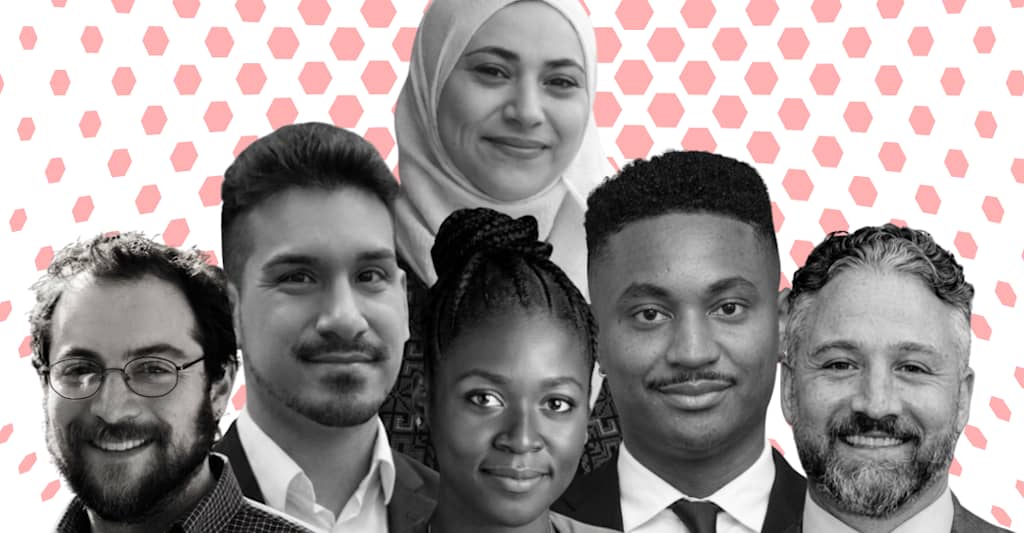
Tuesday’s primary election in New York City marked a significant political shift, signaling the growing influence of progressive and Democratic Socialists of America (DSA)-backed candidates. As these leaders prepare to take office, the city’s vibrant music community—which has been deeply embedded in these grassroots campaigns—is looking toward a future where policy actively supports the arts. From nightlife venues to independent artists, the need for structural support has never been more pressing.
The FADER reached out to a slate of these incoming and established officials to discuss what specific policies they believe are essential for the local music scene to thrive, and to share the tracks that soundtracked their recent electoral victories.
Prioritizing Artist Housing and Venue Protection
For many of these leaders, the affordability crisis is the primary threat to the city’s creative ecosystem. Chi Osse, Council Member for District 36, emphasizes that the most critical step is the creation of dedicated, deeply affordable housing for creatives. By ensuring artists can afford to live in the city, the foundation for a sustainable music culture remains intact.
Similarly, Eli Northup, the Democratic nominee for State Assembly District 69, highlights the importance of protecting small venues. Having performed in the band Pants Velour for over a decade, Northup understands the necessity of spaces like Pianos and Arlene’s Grocery. He advocates for universal healthcare, specifically the New York Health Act, as a vital safety net for gig-based artists.
Economic Reform and Labor Rights
The conversation around music policy is increasingly tied to broader economic justice. Aber Kawas, nominee for State Senate District 12, keeps her proposal straightforward: tax the wealthy to fund arts education in public schools. This sentiment is echoed by Phara Souffrant Forrest, who points to the Fair Share Act (A8953) as a mechanism to raise billions for affordable housing and transit, which are essential for keeping the city’s creative life rooted.
David Orkin, nominee for Assembly District 38, brings a unique perspective as an immigrant workers’ rights attorney. He argues that arts workers are, first and foremost, workers who deserve protection from exploitative labor practices and the threats posed by unregulated AI. Orkin is also a proponent of commercial rent stabilization to ensure that venues can remain in their neighborhoods long-term.
Protecting the Future of the Industry
As technology continues to disrupt the music industry, Brian Romero, nominee for Assembly District 34, identifies the regulation of AI as a top priority. Protecting artists from copyright infringement is no longer a peripheral issue but a central pillar of cultural policy. As these politicians step into their roles, the alignment between progressive governance and the needs of the music community suggests a new, more proactive era for New York City’s cultural landscape.