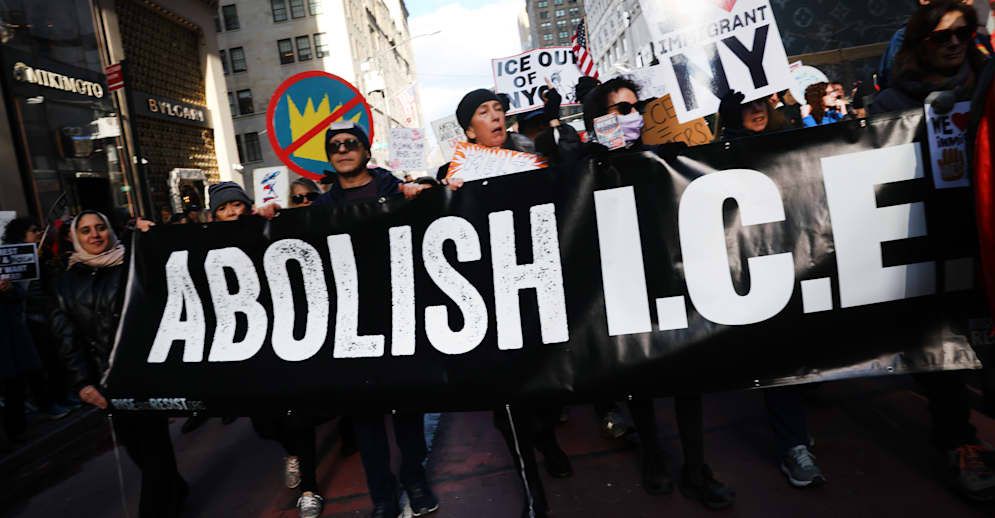
In September 2025, Bad Bunny revealed in an interview with i-D that he had intentionally avoided touring within the continental United States due to concerns regarding immigration raids targeting his fan base. This admission highlighted a growing anxiety within the live music industry as the political climate shifts.
Since the start of the Trump administration in January 2025, U.S. Immigration and Customs Enforcement (ICE) has expanded its operations, moving beyond traditional workplace enforcement to target private residences and public spaces. While no major, high-profile music event has been the site of a direct, large-scale raid, the threat remains palpable. Recent incidents, such as the pepper-spraying of concertgoers at a Minneapolis venue and the cancellation of Chicago’s Cinco De Mayo parade due to safety concerns, have forced independent venues to reconsider their security protocols.
Community-Led Resistance and Safety
Kim Warnick, a program director at the progressive non-profit Western State Center, notes that independent venues and artists are increasingly seeking guidance on how to navigate these heightened risks. In response, her organization has released a free guide designed to help music businesses understand their legal rights and foster community safety. “Continuing to figure out how to be in community with each other is real resistance in this moment,” Warnick explains.
Establishing Clear Communication Protocols
One of the primary recommendations for venues is to designate specific staff members to handle all interactions with law enforcement. By training a select team to remain calm and composed when faced with tactical gear or aggressive questioning, venues can prevent chaotic escalations. Staff should be instructed that their role is not to engage, but to defer to the designated manager and request legal clarification.
Building Proactive Community Connections
Venues are encouraged to establish relationships with local immigrant rights organizations long before an emergency arises. Having a pre-established contact at a legal aid group can be invaluable. A simple, proactive email to these organizations can ensure that a venue has a reliable resource to call if enforcement activity is suspected or occurs.
Understanding Legal Rights and Warrants
A critical component of the Western State Center guide is educating staff on the difference between administrative warrants and judicial warrants. Administrative warrants do not grant agents legal access to a private space. Furthermore, venues must be cautious about providing consent; agents may attempt to gain entry through informal requests, such as asking to use a restroom. By understanding that consent can be revoked or denied, venue operators can better protect their patrons.
Maintaining Calm and Supporting Attendees
In the event of an emergency, the priority remains the safety of the attendees. Venues should have a clear communication plan, similar to protocols for fire or weather emergencies, to keep the crowd informed without inciting panic. As Warnick emphasizes, “Calmness is in our favor here.” For those who wish to be better prepared, attending “know-your-rights” trainings hosted by organizations like the ACLU or Right To Be is a vital step in becoming a stronger ally to the community.

Recent Posts

Nirosta Steel Addresses Social Media Backlash Following Online Controversy

Miley Cyrus Returns with Club-Ready Single “Bass Persuades”

Inside the Gorillaz House of Kong: A New York City Immersive Experience

AURORA Celebrates 10 Years of ‘All My Demons Greeting Me As A Friend’

Chxrry is the Whole Show: A Review of The Ego Tour