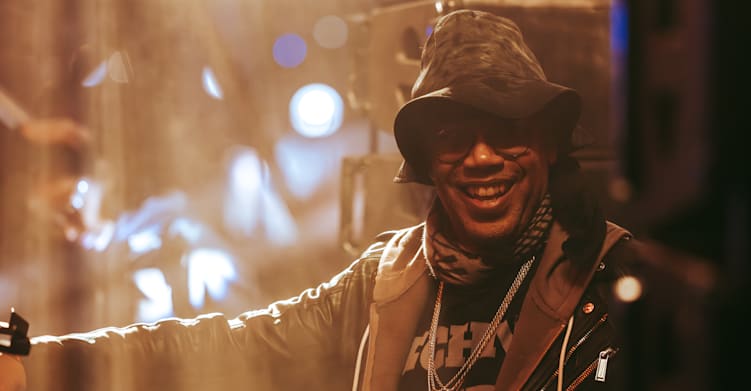
The Heartbeat of Detroit
There is a singular energy found in listening to techno within its birthplace. On May 25, 2026, Detroiters and international electronic music enthusiasts gathered at Hart Plaza to celebrate the 20th anniversary of Movement Festival. What began in 2000 as the Detroit Electronic Music Festival (DEMF) has evolved into a global pilgrimage, transforming the city into a vibrant hub of parties, club nights, and community-driven programming.
The festival remains the undeniable pulse of the city, drawing in foundational legends like Kevin Saunderson alongside modern pioneers such as Stacey Hotwaxx Hale and global tastemakers like Nia Archives and Boys Noize. The FADER sat down with these artists to discuss the significance of the festival and the enduring legacy of the genre.
Reflecting on the Source
For many, Movement is more than just a festival; it is a vital connection to the roots of electronic music. Delano Smith, a cornerstone of the scene, emphasized the festival’s economic and cultural impact. “It’s done a great deal for the city—mainly bringing in people from all over the world and pouring dollars into the economy,” Smith noted. “It also keeps the spirit of electronic music alive and introduces it to the younger generation.”
Rimarkable echoed this sentiment, highlighting the importance of acknowledging the origins of the sound. “This is the birthplace of techno and it’s important to always reference the source,” she explained. “The future of techno in the Detroit scene is going to thrive because the young people have adapted to it and they reference it when they are adding new things to it.”
A Future Built on Soul
The consensus among the artists is one of optimism. DJ Holographic, representing the new generation, believes the genre’s longevity is guaranteed by its authenticity. “Detroit Techno is the future,” she stated. “As long as people really do it from the heart, it’ll always be there.”
This sentiment was shared by others, including DJ Seoul and T. Linder of Detroit Techno Militia, who highlighted the aggressive yet soulful nature of the Detroit sound. Meanwhile, Boys Noize expressed his deep respect for the city’s collaborative spirit, noting that despite Detroit having its own distinct identity, the community remains incredibly open to sharing and evolving the music.
As Stacey Hotwaxx Hale aptly put it, the world is finally recognizing the depth of Detroit’s musical contributions beyond its Motown roots. “Bringing many different types of music all up under one roof in Detroit is priceless,” she said. With new artists like Nia Archives and Sillygirlcarmen continuing to push boundaries, the legacy of Detroit techno is clearly in capable hands, ensuring that the heartbeat of the city will continue to resonate for decades to come.

Recent Posts

KATSEYE’s ‘WILD’ Debuts at No. 1, Marking Historic Girl Group Success

Ori Creator Shuts Down ‘Nonsense’ Rumours of New Sequel

Dolly Parton Explores Future of Avatar Performances

Rose McGowan and Anna Paquin Call for Greater Protections for Child Stars

Marie Davidson Shares Two Poetic Excerpts from ‘Traveler’s Faith’