
The electronic landscape of South Africa is undergoing a profound transformation, and at the center of this movement is the high-octane, 180 BPM sound known as Mapanta. Originating from the Limpopo province, this traditional music of the Bapedi people has evolved from communal wedding celebrations into a cutting-edge electronic subgenre. Leading this charge is the producer and DJ known as Serokolo 7, whose work is now bridging the gap between village life and the global stage.
Mapanta is defined by its relentless energy and minimalist structure. Unlike other regional styles that have found their way into mainstream radio, Mapanta remains deeply rooted in its specific cultural context. “Mapanta is very fast and energetic, around 180 BPM or more, and more minimal than a lot of other local styles like Tsonga music,” Serokolo 7 explains. “It comes from village life, not clubs, and it’s not influenced by what plays on radio or TV.”
The sound has recently gained international attention through the Kampala-based label Nyege Nyege Tapes, which released Serokolo 7’s debut album, Maramfa Musik Pro. Arlen Dilsizian of Nyege Nyege Tapes notes that the music carries a unique, contemporary weight while maintaining its traditional roots. The global reach of this sound is expanding rapidly, with even artists like Björk incorporating the genre into their sets.
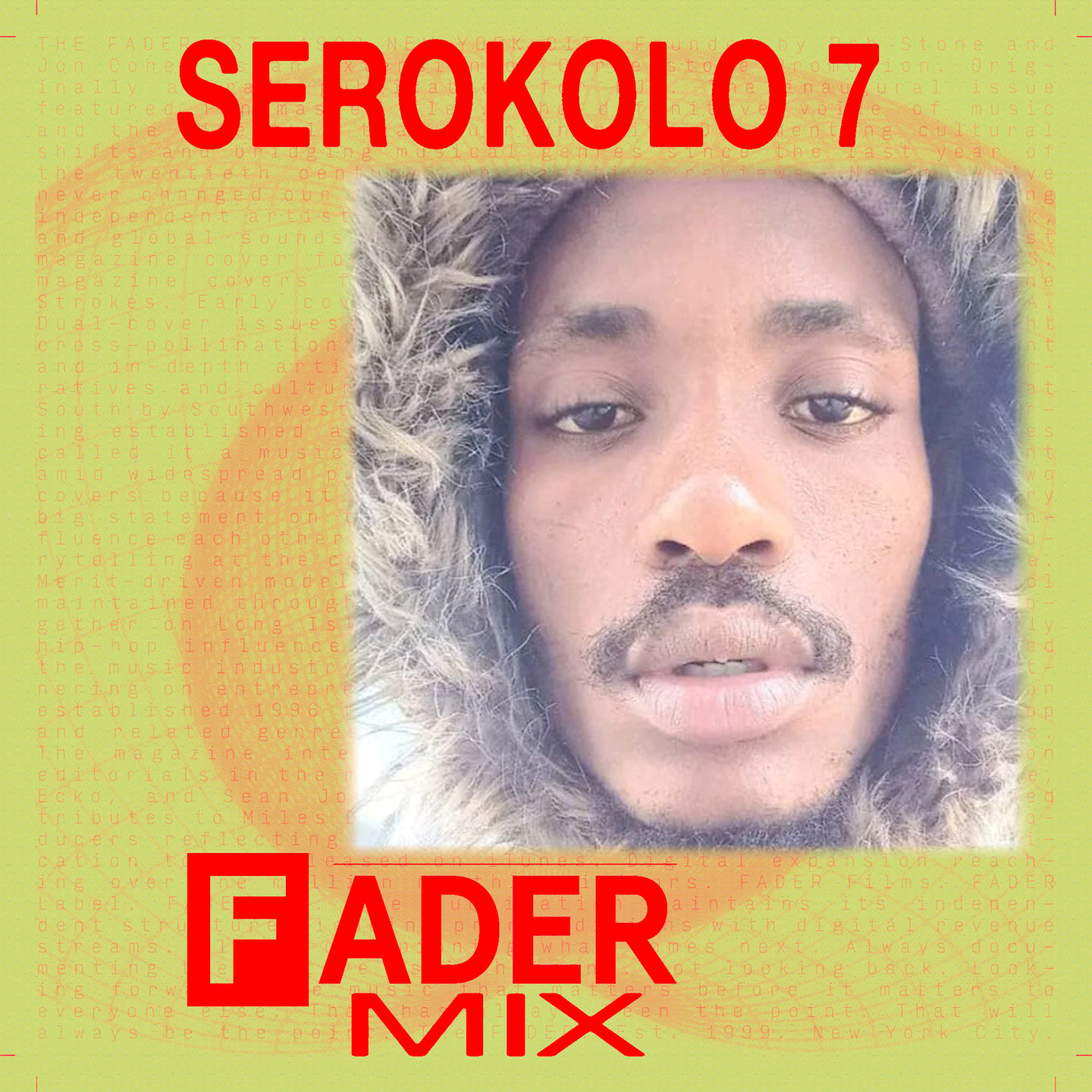 Photo by Serokolo 7
For Serokolo 7, the journey began in high school, where an interest in dance led to the discovery of production software. “I started music and DJing in high school when we were dancers. Someone told me about Virtual DJ so I wanted a computer. When I got one, I discovered Fruity Loops and taught myself,” he recalls. This self-taught approach allowed him to translate the hypnotic rhythms of traditional wedding music into a digital format that resonates with a new generation.
Reflecting on the cultural significance of his work, Serokolo 7 emphasizes that South Africa’s musical diversity is a direct result of its complex history and identity. “South African music is special because we have many different official languages and cultures. Apartheid only ended not so long ago, so there is still a strong sense of expression and identity coming through music,” he says. By bringing Mapanta to an international audience, he hopes to showcase the vibrant, ongoing celebration that defines his community.
Recent Posts
Recent Posts

Primavera Sound Barcelona 2027: Lineup, Ticket Details, and Essential Info

Primavera Sound Barcelona 2027: Lineup, Tickets, and Essential Details

Department of Homeland Security Responds to Hayley Williams’ On-Stage Comments

We Explain Rolling Loud: The Movie

Audrey Hobert’s Jokes Are Universal: A Night at Brooklyn Paramount