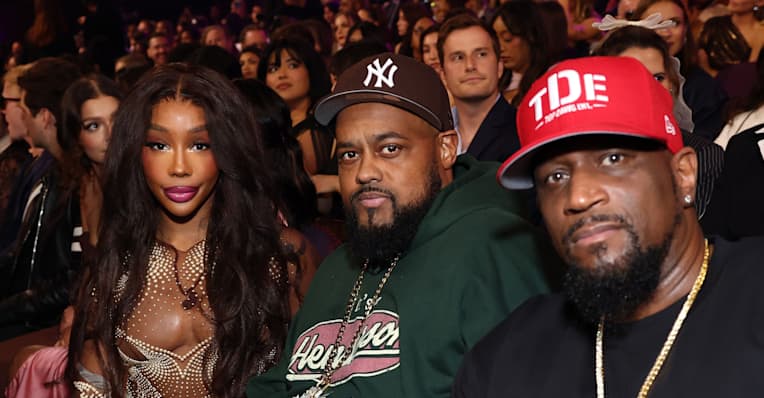
A prominent voice in the music industry is speaking out following a significant restructuring at Universal Music Group (UMG). Terrence “Punch” Henderson, the president of Top Dawg Entertainment (TDE), has publicly questioned the direction of the major label after it announced the layoff of several high-profile executives, sparking a broader conversation about the state of Black leadership in the music business.
On October 14, UMG confirmed that it was parting ways with multiple executives as part of a finalized 2024 restructuring plan. In response to the news, Henderson took to X (formerly Twitter) to express his frustration, asking, “Where have all the black [people] gone in the music business??” He further emphasized the critical role of Black women in the industry, noting their foundational influence on culture.
The black executive in music is getting removed and replace systematically. Black women are the first to go in these industry lay offs. Which is the biggest mistake. Black women is where everything dope in the culture comes from. They are the culture. Smh
— Punch TDE (@iamstillpunch) October 14, 2026
The impact of these cuts is significant, with high-profile Black executives such as Tunji Balogun and Nicole Wyskoarko among those affected. Industry observers have noted that this trend coincides with a broader decline in investment toward historically Black genres, including hip-hop and R&B. As labels pivot their focus toward catalog management and emerging markets like K-pop and country, the market share for these foundational genres has seen a noticeable contraction since the late 2010s.
The situation at UMG is part of a wider pattern of instability across the music industry. Major players like Warner Music Group (WMG) and Sony have also engaged in extensive restructuring efforts over the past few years. WMG, for instance, previously announced plans to reduce its global workforce by 270 positions, a figure that eventually climbed to 750. This climate of uncertainty is compounded by external pressures, including the rapid evolution of artificial intelligence and stagnant subscriber growth on digital service providers like Spotify.

Recent Posts

AlphaTheta Aims to Revolutionize Club Music Royalty Tracking

AlphaTheta’s Studio Plan Lets DJs Edit and Remix Their Libraries

Julia Cumming Joins Wolf Alice for Olivia Rodrigo’s ‘Unraveled’ Tour

Sasha Keable Delivers Soulful Performance on Saturday Night Live UK

pinponpanpon Unveil Manga Alongside Debut Album ‘pinponism’