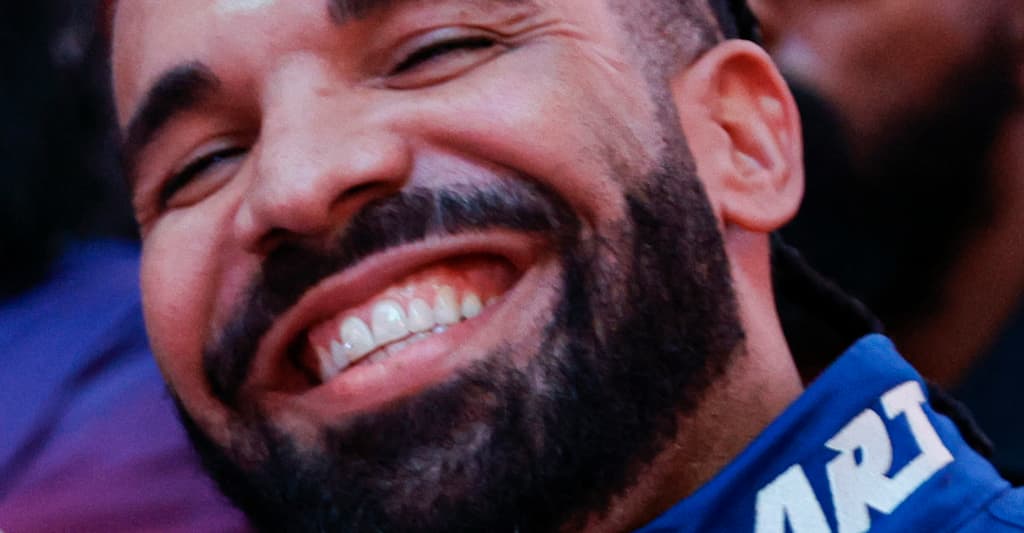
At 10:45 p.m. on a recent Thursday, the digital landscape shifted. A livestream of Drake’s Iceman 4—the latest installment in a long-teased album rollout—appeared on YouTube. What began as a casual viewing experience quickly transformed into a genuine cultural moment. Drake wasn’t just dropping music; he was debuting full visuals and, in a stunning twist, revealed that three new albums—Iceman, Habibti, and Maid of Honor—would arrive at midnight.
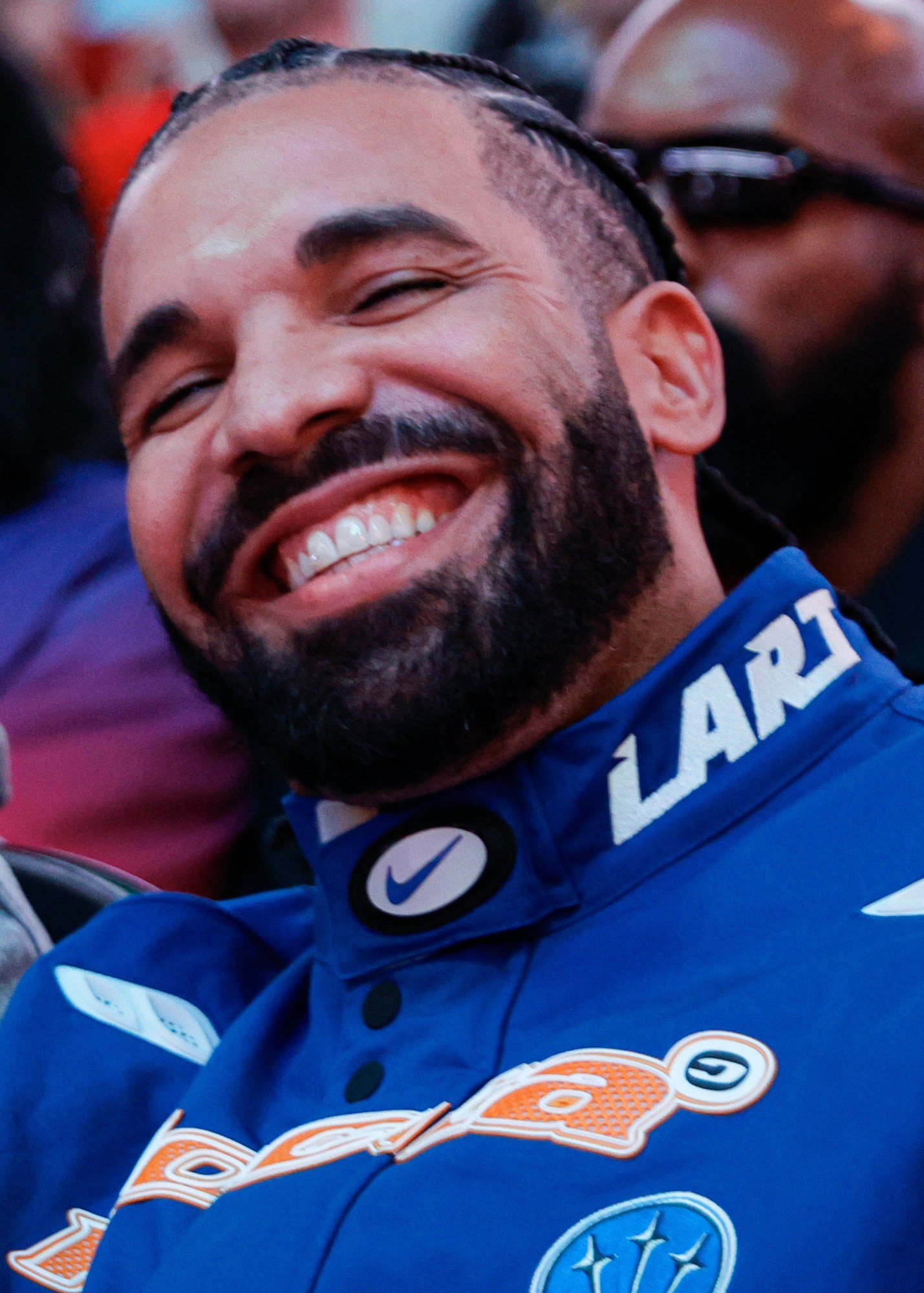
In an era where the streaming market often feels saturated and predictable, Drake’s ability to break both Apple Music and Spotify simultaneously serves as a reminder of his singular status. While the rollout was undeniably chaotic and, at times, polarizing, it succeeded in creating a sense of urgency that has been largely absent from modern music releases.
The Art of the Spectacle
The Iceman campaign was a masterclass in over-the-top promotion. From teasing folders labeled “2.0 – Iceman” back in August 2024 to the theatrical stunt involving a massive ice block structure outside Toronto’s Bond Hotel, Drake leaned into the role of the shameless showman. While some critics rolled their eyes at the theatrics, the engagement was undeniable. It was a calculated, high-stakes move designed to command attention in a crowded media environment.
A Necessary Disruption
Contemporary music releases often suffer from a sense of anticlimactic uniformity. The industry has largely settled into a standard Friday release cycle, often accompanied by sterile, minimalist marketing. Drake, however, remains an outlier. Whether viewed as a “hateable target” or a brilliant strategist, he understands that music, at its core, is meant to be an event.
By injecting genuine mystery and unhinged energy back into the process, he has reminded the industry that the audience is still hungry for something that feels human and unpredictable. As we navigate an era of AI-generated sameness, perhaps it is exactly this kind of bold, unapologetic showmanship that the culture needs to break the simulation.
Recent Posts
Recent Posts

AlphaTheta’s Studio Plan Lets DJs Edit and Remix Their Libraries

Julia Cumming Joins Wolf Alice for Olivia Rodrigo’s ‘Unraveled’ Tour

Sasha Keable Delivers Soulful Performance on Saturday Night Live UK

pinponpanpon Unveil Manga Alongside Debut Album ‘pinponism’

Behind the Scenes: Gunna and Coco Gauff’s “Pop It” Music Video