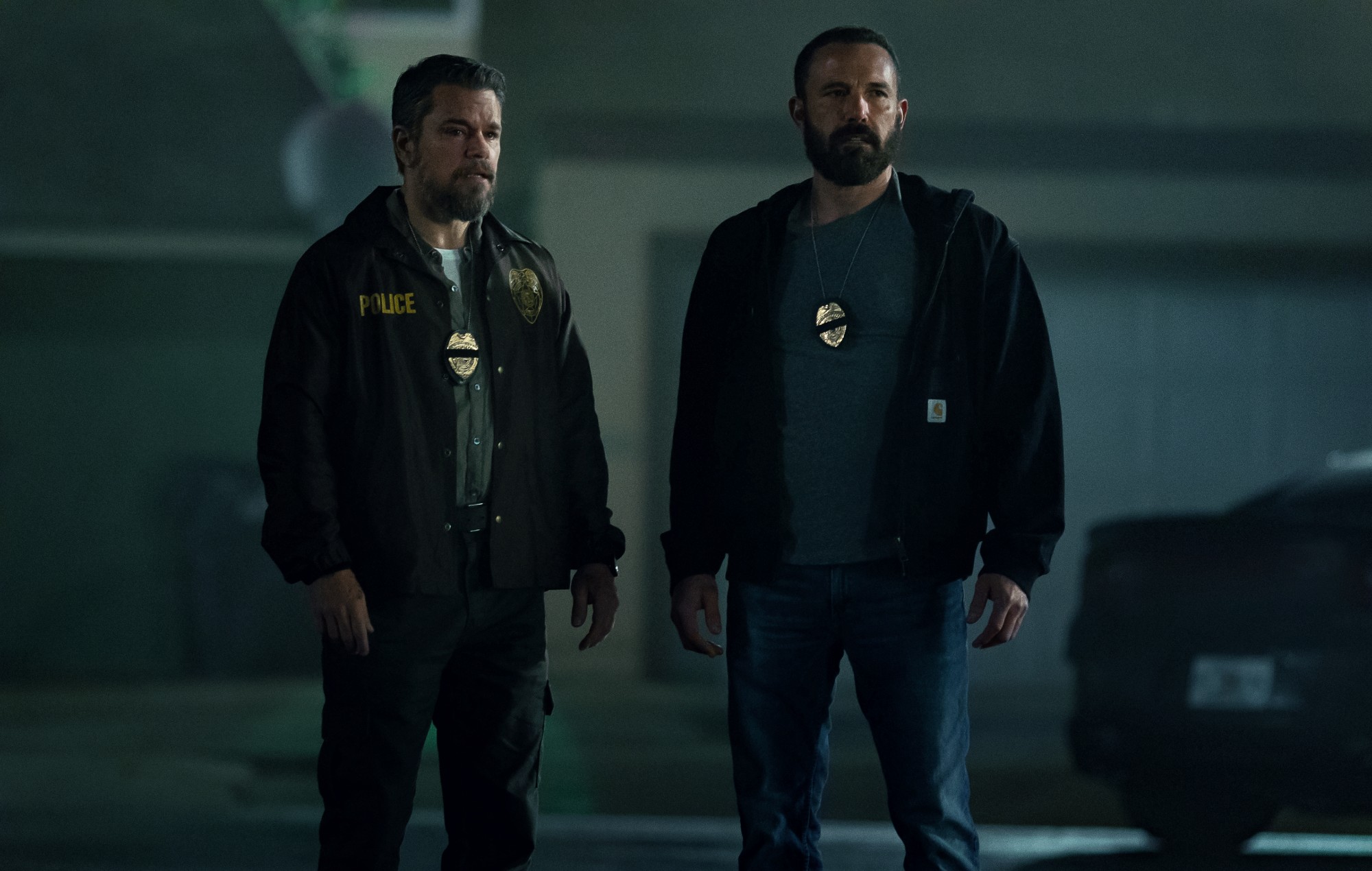
Two sheriff’s deputies have filed a lawsuit against Matt Damon and Ben Affleck, claiming that their portrayal in the Netflix crime drama The Rip has caused significant damage to their professional reputations.
Miami-Dade County officers Jonathan Santana and Jason Smith are seeking defamation damages from the actors’ production company, Artists Equity. In a legal filing submitted this week, the plaintiffs allege that the film, which blends fictionalized elements with real-life events, unfairly characterizes them as “dirty cops.”
The Rip, written and directed by Joe Carnahan, centers on a narcotics team in Miami that discovers millions in cash hidden inside a drug cartel stash house during a raid. The narrative draws inspiration from the experiences of Miami-Dade County Police Captain Chris Casiano, a longtime associate of Carnahan. “The Rip came out of a deeply personal experience that my friend went through, both as a father and as head of tactical narcotics for the Miami Dade police department,” Carnahan previously stated.
The lawsuit highlights a 2016 drug bust in South Florida involving Santana and Smith, which the officers claim was recreated in the film in a manner that suggests they were involved in corruption. Santana, who served as the lead detective on the real-life case, and Smith, who supervised the team, argue that the film’s depiction has led to public scrutiny and professional harm. “When you rip something, you’re stealing something,” Santana told 7 News Miami. “We never stole a dollar.”
The legal filing requests compensatory and punitive damages, attorney fees, and a public retraction. While the film includes a disclaimer stating it is “inspired by true events,” the plaintiffs contend that the production company should have engaged them as consultants rather than relying on Captain Chris Casiano, who they claim was not involved in the initial investigation.
#BreakingNews: MDPD Narcotics detectives arrest 2, seize millions💰and recover a high powered weapon🔫 in NW Dade pic.twitter.com/MWIbeBHEqX
— Miami-Dade Sheriff’s Office (@MiamiDade_SO) June 29, 2016
Artists Equity has maintained that the film does not purport to tell the factual story of the 2016 investigation or portray specific real-life individuals. Legal representative Leita Walker noted in a response to the plaintiffs’ demand letter that the film’s credits include a clear disclaimer regarding its fictional nature.
Recent Posts

Recent Posts

Billy Idol’s Iconic ‘Rebel Yell’ Receives Premium Vinyl Reissue

Primavera Sound Barcelona 2027: Lineup, Ticket Details, and Essential Info

Primavera Sound Barcelona 2027: Lineup, Tickets, and Essential Details

Department of Homeland Security Responds to Hayley Williams’ On-Stage Comments

We Explain Rolling Loud: The Movie