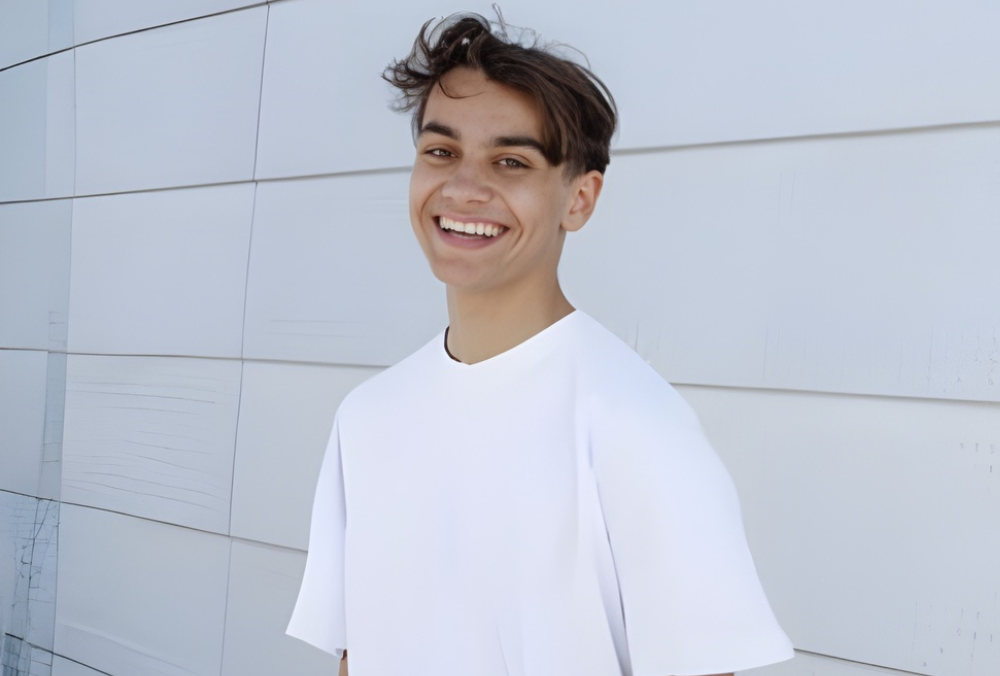
On “Irmãos,” TchiTchi Turns Family History Into a Global Sound
With “Irmãos,” TchiTchi leans into the cultural roots that shape his music. The young artist, born in Oslo and currently based in the United States, brings his Portuguese heritage into focus on a song built around loyalty, memory, and family ties.
Performed entirely in Portuguese, the track carries emotional weight from the start. The word “irmãos” means “brothers,” and the record explores that bond through moments drawn from real life.
“Brothers in the storm, brothers in the rain…”
Those lines echo throughout the song, forming the emotional core of the narrative. The writing focuses on shared struggles and the quiet strength of standing together when circumstances become difficult.
Musically, TchiTchi continues to explore a genre-fluid approach. Afrobeat rhythms blend with pop structures and melodic rap, creating a sound that reflects the international path of his life. Growing up in Norway while staying connected to his Cape Verdean family heritage shaped the way he approaches rhythm, melody, and language.
The track also marks a tonal pivot. His previous release, “Luxury Nights,” celebrated nightlife and friendship, built for bright city lights and late hours. “Irmãos” travels in the opposite direction, exploring responsibility and personal history.
“I wrote this song for my brothers and my family first,” TchiTchi says. “But it’s for anyone who knows what it means to fall, get back up, and have someone standing with you every time.”
The single will appear on the deluxe edition of Kings Will Dream, expanding the world introduced on his debut album. From there, TchiTchi is preparing the release of Dyslexia, a project that promises to explore personal challenges and creative growth.
At nineteen, he’s already building a catalog shaped by identity and experience. “Irmãos” offers a glimpse of where that journey is heading.
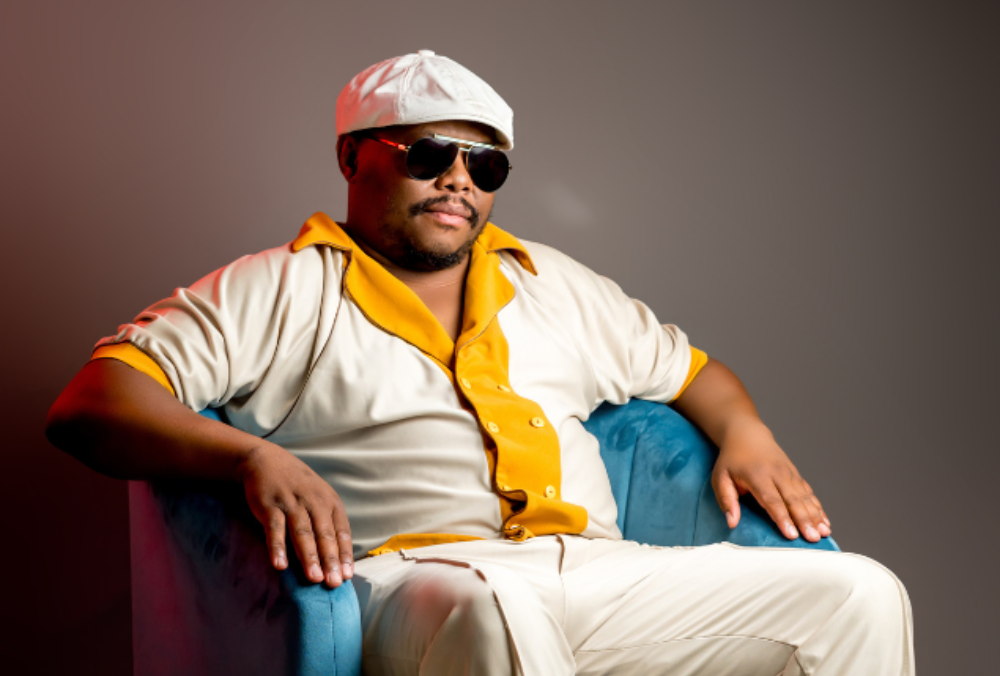
Kapi Gantsu Brings Raw Live Energy to Victory Theatre Live EP
South African artist Kapi Gantsu is offering fans a new way to experience his music with the release of his latest project, Victory Theatre Live. The EP captures the spirit of a live performance, presenting a collection of songs recorded in front of an audience and driven by the natural chemistry between musicians on stage.
Instead of relying on studio production tricks, the project focuses on the immediacy and emotion that only a live setting can create. Every moment feels spontaneous, allowing Gantsu’s voice and songwriting to take center stage while the live band adds warmth and depth to the arrangements.
Recorded at the historic Victory Theatre, the EP showcases the artist performing in a setting where music unfolds organically. The sound blends elements of soul, African jazz, and contemporary influences, creating a listening experience that feels both intimate and expansive.
What makes Victory Theatre Live particularly compelling is how it highlights the power of performance. The audience’s presence becomes part of the recording, adding an extra layer of atmosphere that studio recordings rarely capture. The interaction between the musicians and the crowd brings an energy that keeps the songs feeling dynamic and alive.
Gantsu has built a reputation for music rooted in storytelling and cultural identity, and this project continues that tradition. His vocal delivery carries a sense of honesty and emotion that fits naturally within the live setting, making each track feel personal and authentic.
For longtime listeners, the EP offers a fresh perspective on Gantsu’s artistry, revealing how his music evolves in front of an audience. For new fans, it serves as an engaging introduction to an artist who values musical connection as much as sonic craftsmanship.
With Victory Theatre Live, Kapi Gantsu reminds listeners that sometimes the most powerful music happens in real time, when musicians and audiences share the same moment.

Melissa Rose Shares Two Independent Anthems of Survival and Self-Ownership
Independent singer-songwriter Melissa Rose enters 2026 with a clear statement of intent. Her latest releases, “Bulletproof” and “Witchwell,” are not just songs but deeply personal reflections on survival, rebuilding, and reclaiming authorship over one’s life. Written, arranged, and released without the backing of a label or outside funding, the two tracks mark an important chapter in Rose’s journey as a fully independent artist.
Born on December 18, 1985, in Tawas City, Michigan, Rose grew up in the small communities of Decker, Argyle, and Marlette before eventually settling in Lapeer. Music became part of her life early through her school’s band program, where she learned saxophone and developed a lasting understanding of music theory. Classic rock played a major role in shaping her musical identity, with artists like Robert Plant and Duane Allman inspiring her to see songwriting as a way to tell meaningful stories rather than chase recognition.
Without formal industry training or financial support, Rose built her musical skill set through independent learning. She taught herself piano, guitar, songwriting, and arrangement using online resources, approaching music with determination and curiosity. That self-taught foundation continues to define her work today. For Rose, music has always been more than a craft. It is a form of therapy, motivation, and storytelling that reflects her personal experiences and emotional landscape.
Her newest releases draw directly from one of the most transformative periods of her life. “Bulletproof” confronts manipulation and false narratives, addressing the emotional reality of being blamed or misunderstood. The track speaks openly about resilience and the process of reclaiming personal strength after hardship. “Witchwell,” meanwhile, captures the moment when survival turns into clarity. The song reflects on betrayal and the realization that sometimes the only way forward is to leave the past behind entirely.
Both songs were written during a time when Rose was rebuilding her life after leaving an abusive relationship. She chose to start again from scratch, walking away from financial stability and material comfort in order to regain independence. That decision ultimately fueled her creative process, turning painful experiences into honest songwriting.
Rose manages every aspect of her career independently. She releases her music through her own distribution channels and maintains BMI copyrights to protect her authorship. Some of her catalog has also been released under the name Rita Louise as part of her long-term ownership strategy. Her approach reflects a careful plan to maintain creative control while continuing to build her catalog.
Looking ahead, Melissa Rose plans to release new music consistently throughout 2026, with monthly releases scheduled across major platforms. Each song continues the story she is documenting through her music.
With “Bulletproof” and “Witchwell,” Melissa Rose makes one thing clear. Her music is not about surviving the past. It is about writing the future on her own terms.
“Bulletproof” and “Witchwell” are available now on all major streaming platforms.
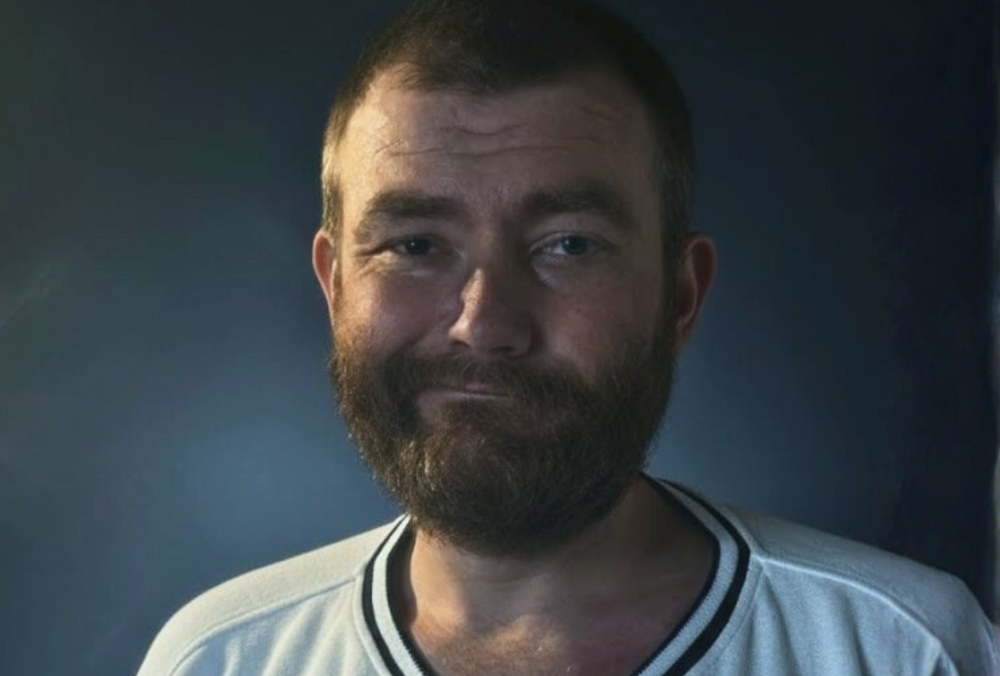
Tyler Tester Is Building Emotion-Driven Instrumentals With Real-Life Purpose
Independent producers are reshaping hip hop from the ground up, and Tyler Tester is doing it with intention.
Raised in Wilkesboro and Boone, North Carolina, Tyler Tester didn’t grow up feeling like he fit neatly into his surroundings. That sense of being an outsider ended up shaping the core of his artistry. Instead of letting isolation define him, he turned it into motivation. His mission became clear early on: create music that makes people feel less alone.
Like many creatives, Tyler Tester was first inspired by watching others succeed in music. Seeing artists build careers and support their families through their craft sparked something deeper than fandom. It became a blueprint.
He began experimenting with beat-making on BandLab, a platform that gave him both accessibility and room to develop technically. The early stages weren’t easy. Learning to mix, shape sound, and develop a signature style required patience. But once he stopped trying to simply create noise and started pouring his own emotions into the process, everything shifted.
He discovered he had a natural feel for mixing atmospheric, emotion-heavy instrumentals that don’t just sit in the background. They carry weight.
Music became more than a creative outlet. It became an escape and a form of therapy.
Tester has been open about personal struggles and perseverance. Rather than mask those experiences, he channels them directly into his production. His beats breathe. They hold space for reflection. They feel intentional.
At the center of that intention is empathy. When listeners press play, he wants them to feel like someone understands what they’re going through. His work isn’t about surface-level hype. It’s about emotional connection.
Behind Tester’s growth is a foundation built on faith and family. His wife played a pivotal role in pushing him to believe in his talent and commit to music professionally. That belief came at a time when self-doubt could have easily won.
One of his most meaningful tracks was written for his daughter at birth after multiple miscarriages. That song represents joy, resilience, and unconditional love. Moments like that don’t just shape a man. They shape an artist.
His faith also anchors his creative process. It reminds him that music can reach people he may never physically meet. That awareness gives his work depth and responsibility.
Inspired by artists like Eminem, particularly the mindset of building from nothing, Tester connects deeply with stories of resilience. The grind resonates. The climb feels familiar.
As an independent producer building from scratch, Tester stays grounded. Every opportunity matters. Every step forward feels earned. That humility fuels his motivation.
While his catalog currently leans heavily into instrumental production, he’s already looking ahead. He plans to expand into songwriting and potentially incorporate his own vocals into future releases. Growth isn’t optional for him. It’s necessary.
For now, listeners can expect immersive, purpose-driven beats that prioritize emotion over trend-chasing. Tyler Tester isn’t just making instrumentals. He’s building a space where struggle, faith, and perseverance turn into sound.
And if his trajectory continues the way it’s going, this is only the beginning.

Jen Ash Makes “HELL” a Mirror of Modern Life
On January 23, 2026, Jen Ash released her single “HELL.”
“HELL” isn’t framed as a destination in Jen Ash’s world. It’s a condition — lived, witnessed, inherited. On her latest single, the Lebanese-born, France-raised artist flips the concept of damnation into something painfully present, exposing how fear, belief systems, and power structures shape everyday life. The track doesn’t plead for clarity or redemption. Instead, it laughs where others threaten, using satire to puncture ideas that once governed her silence.
For Jen Ash, that refusal to soften meaning marks a turning point. As she steps into 2026, “HELL” signals the beginning of what she calls her “Rebel with a Cause” era. Having grown up in Lebanon and later in a rigid religious environment, she internalized warnings about punishment long before understanding the systems behind them. With time, distance, and spiritual exploration, those narratives unraveled. What remained was a question worth confronting publicly.
Before music, Jen Ash spent fourteen years on the basketball court. The discipline never left her, but the hierarchy did. Sports taught her endurance, repetition, and sacrifice, and also how easily creativity and compassion disappear under control. When she walked away, she carried the work ethic with her, but claimed authorship over her own direction.
Early in her career, she tried to minimize herself. Growing up as a Middle Eastern immigrant in France, blending in felt like survival. Later, industry expectations in California pushed her towards a polished ballad mold that promised legitimacy but cost authenticity. The shift came when she stopped editing her identity and let contradiction lead.
Instead of outlining her influences, Jen Ash allows them to live side by side. Afro rhythms, French Caribbean textures, R&B phrasing, and Lebanese heritage surface naturally, driven by emotion. Her songwriting begins with subject matter — a memory, a wound, a truth — and unfolds as emotional processing.
That approach shaped Shining Bright, an EP written as a personal project that later found wider connection with audiences. It also extends to “Do You Ever,” where Jen Ash explores emotional vulnerability within an Afrobeat framework. With “HELL,” the scope widens again. Comedy replaces severity, not to dilute the message, but to expose its absurdity.
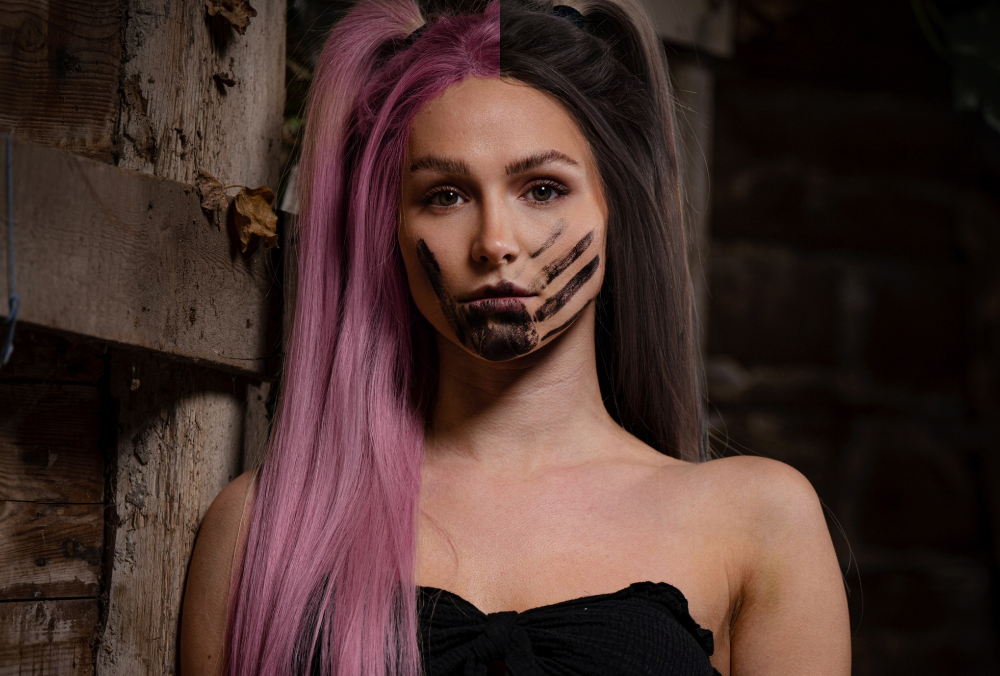
Tyra’s Journey From Fear to Confident Artistry
Tyra is quickly emerging as one of the most compelling dark-pop artists of her generation. The Swiss singer-songwriter has carved a space for herself by turning her experiences into close-to-the-heart songs that resonate deeply with listeners.
Tyra’s journey to music was far from linear. Growing up in a small Swiss town, she always loved to sing, but fear and the pressure to “stay practical” kept her away from a creative path. She studied psychology and worked full-time, convincing herself that music could wait. But in 2023, everything changed. Her father, a motocross champion known for his fearless spirit, suffered a tragic accident that left him paralyzed. Weeks later, Tyra was diagnosed with cancer.
She realized life was too short to chase anything other than her passion. That realization pushed her into the studio, and ultimately into her power. She soon began working with producer Dominik Rivinius at Boogie Park Studios, where she started shaping the sound she’s known for today: a blend of electronic textures, catchy pop hooks, and lyrical honesty.
Tyra describes the core identity of her music as “embracing the full spectrum of human experience.” For her, dark-pop is not just a genre, it’s a space where she explores heartbreak, resilience, identity, and the strength that comes from vulnerability. Influenced by artists like Billie Eilish, Taylor Swift, Melanie Martinez, Queen, Michael Jackson, and Tina Turner, she weaves emotional storytelling into modern production with striking ease.
Her latest release, “Don’t Be Shy,” elevates her dark-pop style to the next level. This track confronts the reality of modern relationships. Tyra calls out emotional unavailability and manipulation with a sharp, confident tone. “Don’t Be Shy” is built on alluring dark-pop production, steady beats, and lyrics that challenge pretenses.
The song is a challenge to be real, paired with a warning that she sees through manipulative behavior. It embodies empowerment, self-respect, and the refusal to be treated as an option. It’s catchy, confrontational, and emotionally grounded.
Today, Tyra is building her world around music. A world where honesty meets emotion, where softness meets strength, and where listeners find both reflection and comfort.

Lipstick Killer Prepares to Burn It All Down with New Single “Delaware Ave”
Few artists can turn personal apocalypse into art quite like Lipstick Killer. The Pittsburgh-born firestarter is back, and her latest single, “Delaware Ave,” set to drop in late August, is already sparking buzz across the underground. It’s the lead track from her upcoming EP Cigarettes & Heartbreak Vol. 1, a blistering, six-track eruption of grief, betrayal, and radical self-reclamation.
Lipstick Killer doesn’t just make music; she ignites movements. Fusing the raw edge of punk with the venom of hip-hop and the chaos of trapmetal, she’s built a signature sound that refuses to sit quietly in any one box. Her delivery ranges from sharp-tongued bars to demonic growls that echo long after the final note. The result is feral, unapologetic, and unmistakably hers.
“Delaware Ave” is based on a deeply personal experience of betrayal; it’s the musical embodiment of that split-second when illusion cracks and truth floods in. It hits with the rage of a thousand unanswered questions and carries the weight of a woman who’s done being lied to. But more than pain, there’s power here. You can feel it in every line she spits, every beat that crashes like a war drum.
Lipstick Killer channels the rebel spirit of a ‘60s biker queen — leather-clad, cigarette in hand, eyes full of fire. Her influences stretch wide and deep, from the lyrical genius of Jay-Z and Lauryn Hill to the rebellious chaos of Green Day and Red Hot Chili Peppers. That mix of elegance and grit lives in every verse she spits.
Cigarettes & Heartbreak Vol. 1 lands in December, and if “Delaware Ave” is any indication, this project won’t be for the faint of heart. It’s music for those clawing their way out of the wreckage. And Lipstick Killer isn’t offering comfort; she’s offering gasoline.
Get ready to light the match.

“Light Me Up” Signals a New Era for Tyra
“Light Me Up” pushes Tyra into a more vibrant and energetic space, leaving behind some of the shadows that defined her debut, “Thank You For Leaving.” The Swiss dark pop artist delivers a faster, brighter track that still carries the emotional weight fans expect. This single expands her sound while deepening the honesty and intensity at the heart of her music.
The song opens with a kind of haunted nostalgia, reflecting on innocence lost and dreams washed away. The verses build patiently, with her voice fragile but unwavering. Then the chorus bursts open, catching fire with the kind of melody that stays with you long after the track ends. There’s urgency here, but also hope. In lines like “Light me up when I’m feeling down”, Tyra reaches for connection through the static, offering vulnerability without apology.
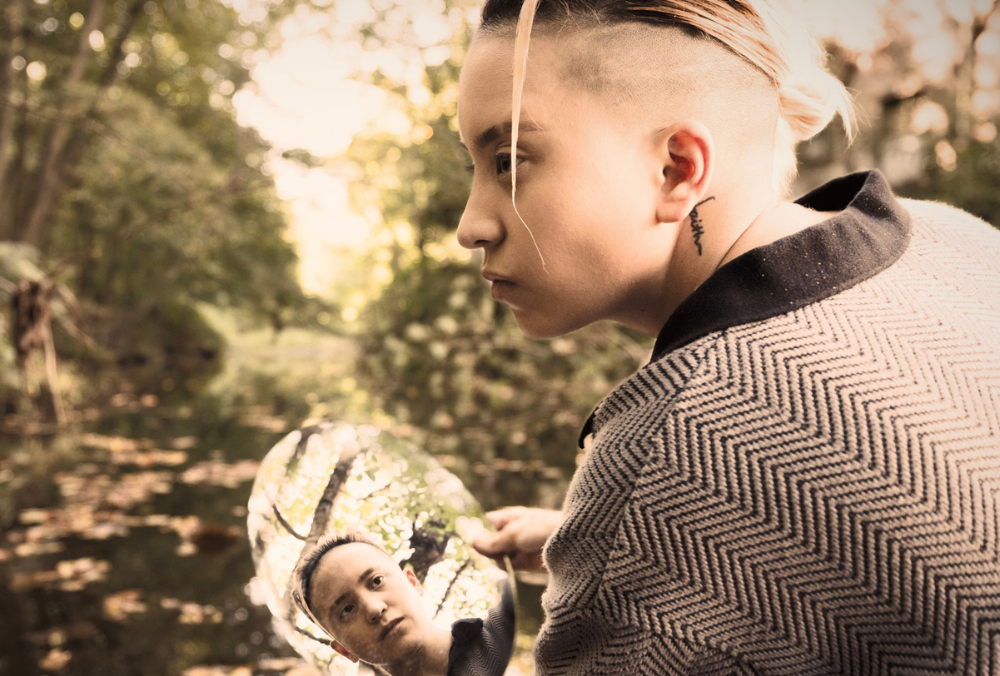
XTINE Won’t Sugarcoat It: “Nobody Stays” Stings Like the Truth
XTINE doesn’t make music to be liked. She makes it to be felt.
On "Nobody Stays", the Devon-born alt-pop artist rips into the raw nerve of abandonment with surgical precision. There’s no metaphorical padding here, just clean, direct lyricism that lands like a sucker punch: “Will I keep you, or will I end up pushing you?” It’s a question that doesn’t want an answer—it wants blood.
First premiered on May 15, "Nobody Stays" builds itself on a foundation of beautiful contradiction: orchestral strings crash into glitchy electronics; XTINE’s voice floats but never flinches. It’s Björk in the therapy room. It’s Sia with her guard down. It’s the kind of track that doesn’t ask for your attention—it commands it.
More than just a song, "Nobody Stays" functions as a protest—against sanitized emotion, against the silence around mental health, and against the pop industry’s obsession with polish. It’s deeply personal, openly referencing XTINE’s own struggles with borderline personality disorder. But it never asks for pity. Instead, it leans into the chaos with intention and power.
Her decision to anchor the accompanying music video in a bare studio setting—just her, a mic, and her notebook—isn't some lo-fi aesthetic stunt. It's a reminder: production is her instrument, and this is her war room. You believe it when she says she never wants listeners to just hear her music—she wants them to live inside it.
There’s real weight to her ethos, too. Through her collaborations with mental health orgs like Under the Sisterhood and the DMAX Foundation, XTINE blurs the line between artist and advocate. She’s not using mental health as a marketing angle—she’s weaponizing her platform to connect, reflect, and, ultimately, to help.
XTINE’s journey from winning IndabaMusic contests to grabbing a cosign from Sia isn’t some indie fairy tale. It’s grit and vision sharpened into form. On "Nobody Stays", she doesn’t just prove she can hang with alt-pop’s best—she challenges them to be as brave.

BRODIE’s Club Chaos to Confessions: Stream the Double Drop Now!
BRODIE 's new double drop features two songs that take listeners on a journey from the excitement of the club to the quiet moments of introspection. "Took Off in a Mercedes" and "Thursday (Worst Way)" showcase his ability to shift from energetic beats to emotional honesty.
"Took Off in a Mercedes" is a high-energy track that gets everyone dancing. From the first beat, the song creates a lively atmosphere that drives the energy forward. With the line "There's a party downstairs going on," BRODIE immediately pulls the audience into the excitement of the night.
Recent Posts

Watch Guns N’ Roses play ‘Bad Apples’ for first time in 35 years in São Paulo

Judge blocks Donald Trump’s attempt to end federal funding for NPR and PBS

Christina Hendricks played an indie-packed “shoe pop dream gaze” DJ set at a San Diego bar on April Fool’s Day

Melissa Auf der Maur on a potential Hole reunion: “You can’t force, organise, or plan these things”

Watch Paul Simon play ‘Something So Right’ for the first time in 33 years on ‘Colbert’