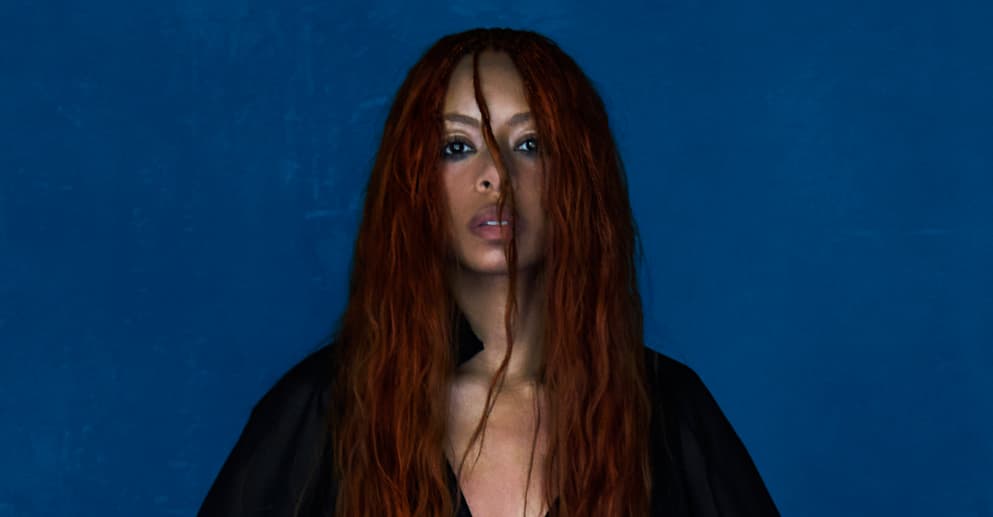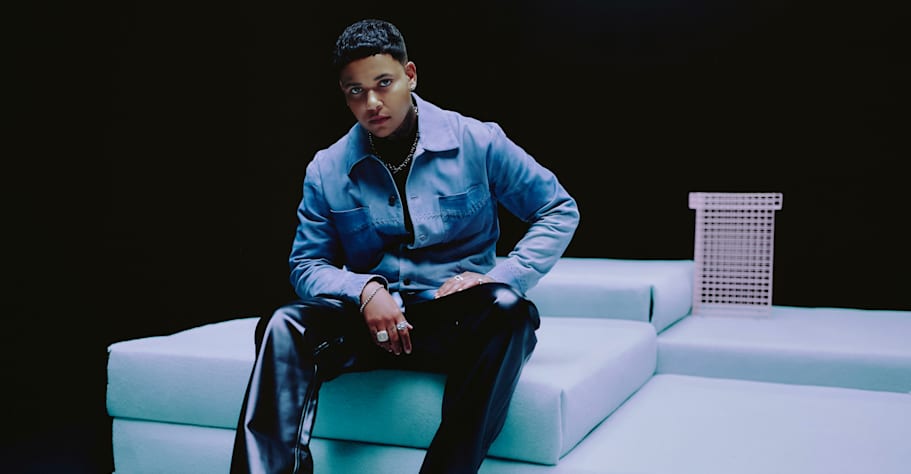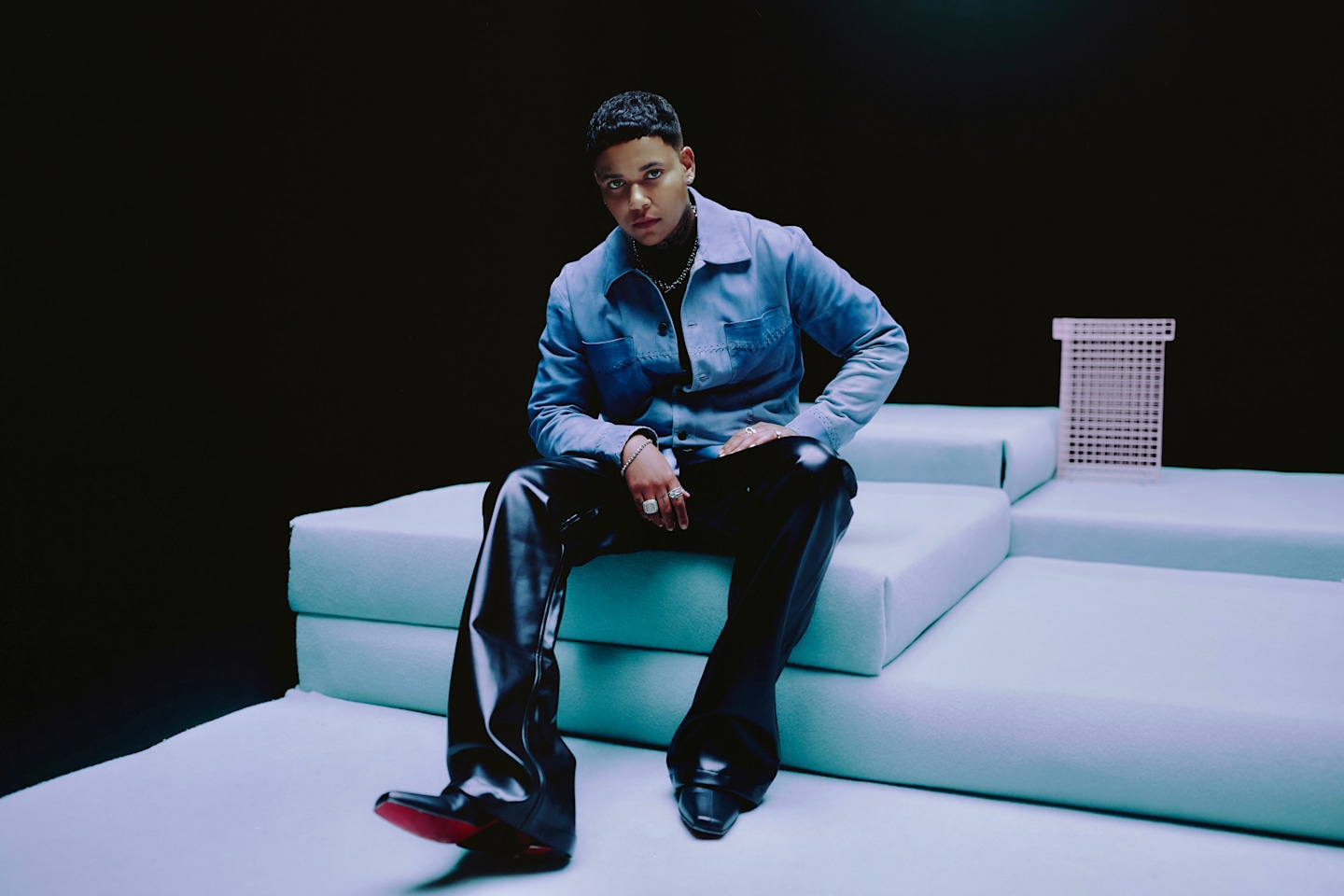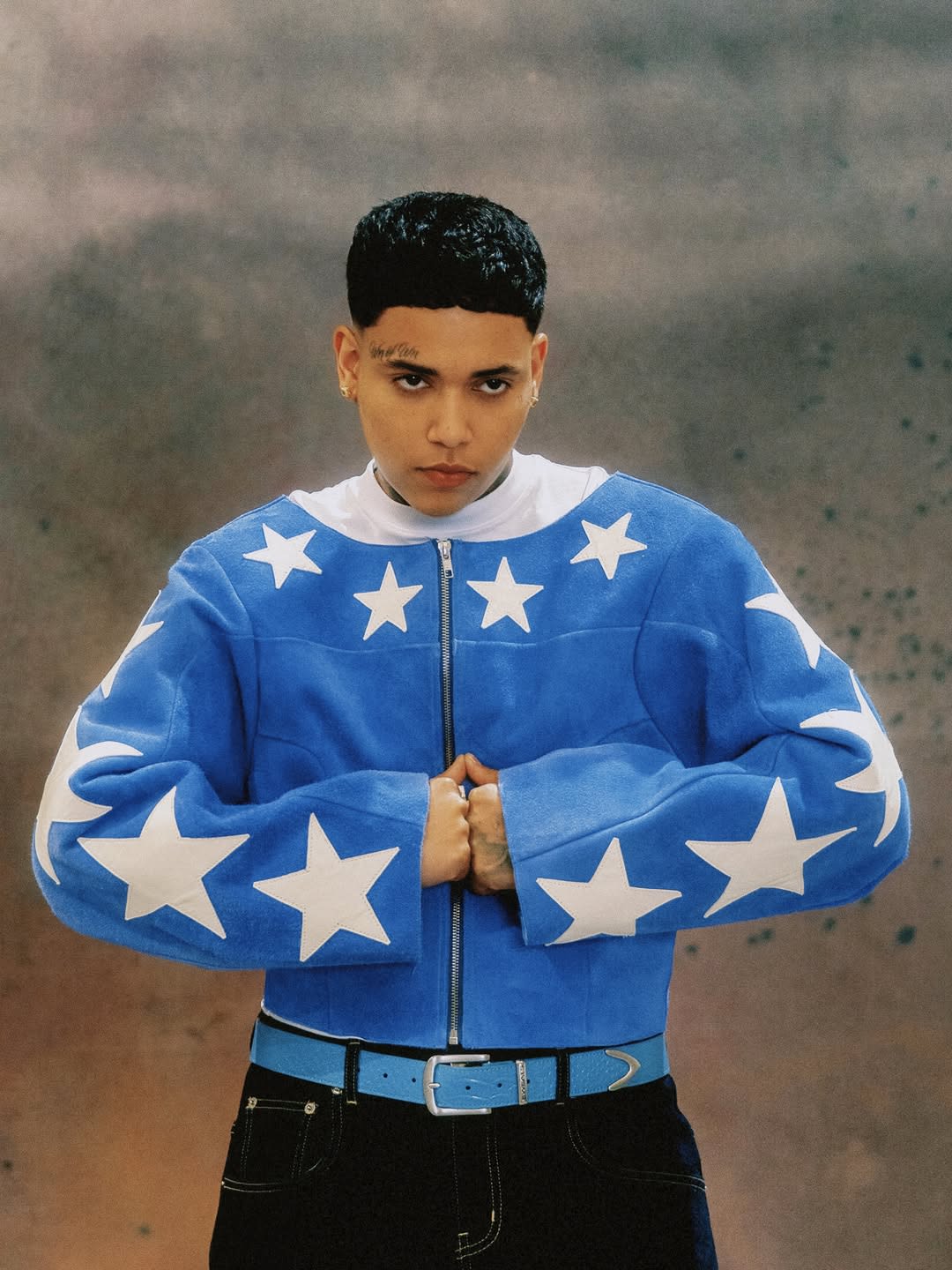
Erykah Badu and The Alchemist Announce New Album and Single “Witch Doctor”
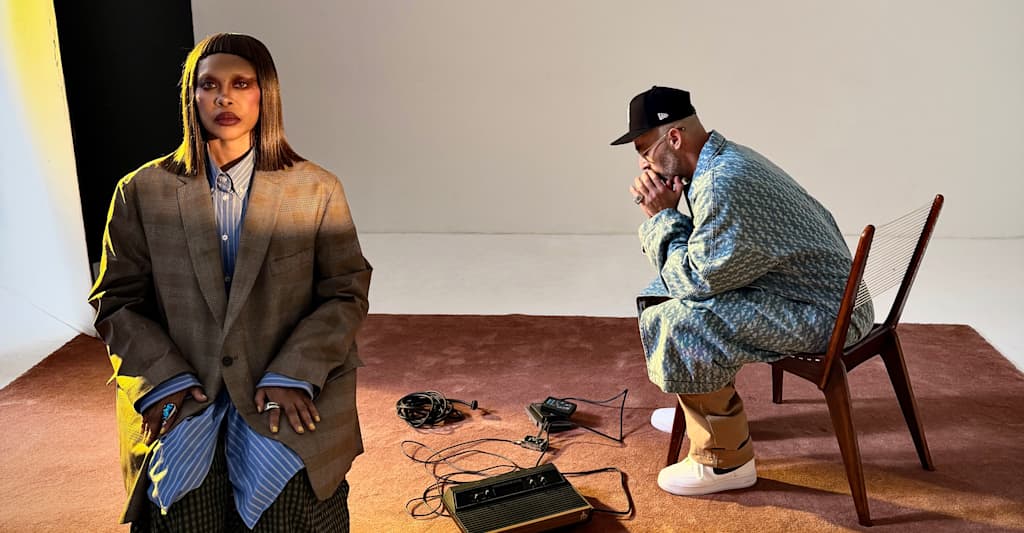
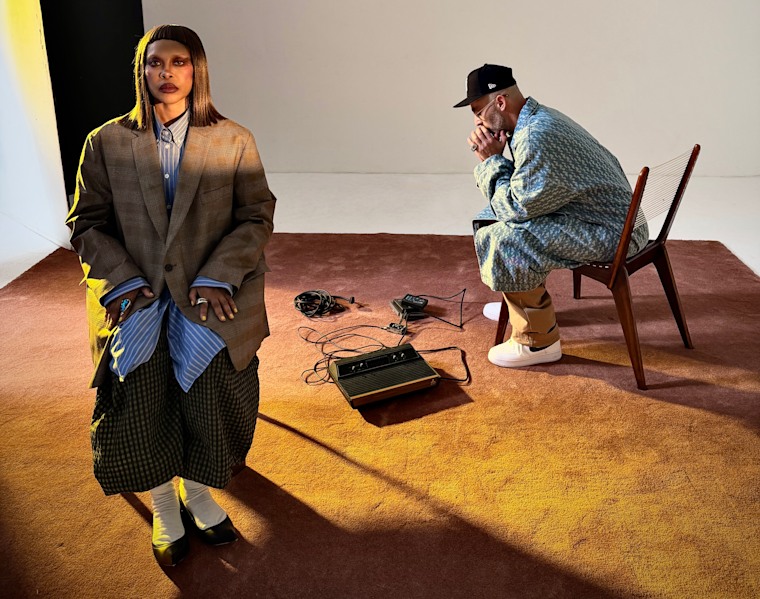
Erykah Badu is officially making her return to the studio, announcing her first full-length project in 16 years. The neo-soul pioneer has teamed up with acclaimed hip-hop producer The Alchemist for a highly anticipated collaboration that promises to bridge the gap between classic soul and modern production. To mark the announcement, the duo has shared their new single, "Witch Doctor."
This partnership arrives as a significant moment in contemporary music. Erykah Badu, a visionary whose influence on R&B remains unparalleled, has found a perfect sonic match in The Alchemist, a producer renowned for his work with heavyweights ranging from Mobb Deep to Freddie Gibbs. The collaboration reportedly began after Badu expressed a long-held desire to rap over the producer's signature soundscapes, specifically citing Mobb Deep’s "The Realest."
The project has been teased for months, with fans getting an early taste of the chemistry between the two during Badu’s Juneteenth performance in Dallas, where she debuted tracks titled "Next to You" and "Echos 19 (mix 122)."
A New Chapter in Soul
While the album currently lacks a formal title—listed cheekily on Bandcamp as "Sorry, we don't have an album title yet..."—the anticipation is palpable. The lead single, "Witch Doctor," showcases a refined, smooth aesthetic, pairing Badu’s signature silky vocal delivery with the textured, psychedelic production that has become a hallmark of The Alchemist’s recent output.
The album is scheduled for release on Friday, August 28. In support of the new music, the pair will embark on a North American tour throughout September, bringing their unique sound to major cities including Toronto, New York, and San Francisco.
Tour Dates
- Sep 10, 2026 – Highland Park, IL – Ravinia Festival
- Sep 11, 2026 – Sterling Heights, MI – Michigan Lottery Amphitheatre
- Sep 13, 2026 – Toronto, ON – RBC Amphitheatre
- Sep 15, 2026 – Cleveland, OH – Jacobs Pavilion
- Sep 17, 2026 – Uncasville, CT – Mohegan Sun Arena
- Sep 18, 2026 – Forest Hills, NY – Forest Hills Stadium
- Sep 20, 2026 – Washington, D.C. – Wolf Trap
- Sep 22, 2026 – Indianapolis, IN – Everwise Amphitheater
- Sep 24, 2026 – Denver, CO – Fillmore Auditorium
- Sep 26, 2026 – San Diego, CA – Cal Coast Credit Union Open Air Theatre
- Sep 27, 2026 – Berkeley, CA – Greek Theatre
Ravyn Lenae’s “Potential” Finds Her at Her Most Experimental
Ravyn Lenae’s “Potential” from her new album Blue Island begins like so much of her delicate, freewheeling tuneage. Crystalline layers of warped guitar and warm bass create a foundation for her breathy operatics, as Lenae sings of love, desire, and loss. “Call me crazy / I feel the tables turning,” she sings, hoping for the fleeting possibility of love and connection. There’s a minimal poppiness to the track; drumless for much of it, one hears the skeleton of a more conventional Top 40 track, with its neat melodies and craftily built chorus that ascends above the verse’s story-focused lull. But its minimalism makes you zero in on Lenae’s sensitive songwriting and overall subtlety.
Something quite shocking happens right after the two-minute mark. Fuzz builds and then a metal scrape careens the song into pure Dariacore cacophony, Jersey-club drum patterns speed running through distortion, while winsome helium synths, that remind me of those used by Lorde producer Jim-E Stack, punctate the madness. All the while, the song’s warm piano chord progression continues apace, contrasting what could be pure dizziness with something cozy and held. Layers of her vocals, echoed and filtered, loop and come in like a fog, before the whole thing fades away.
It’s a surprising turn for a musician who has long stayed in a comfortable musical zone, somewhere between ’70s soul and disco and 2010s indie optimism. The surprising musical shift feels invigorating, rather than random, though, as it still feels rooted in Lenae’s undeniably heartfelt songwriting and composition. If the sound is a thrilling fluke, then it added beautiful cinematic shape to Lenae’s album, But if it’s a brief preview of another entire sound to come, then it’s certainly exciting.
kwn is in love with R&B’s intentionality
If you want to understand music the way kwn does, just observe her trademark dance—a twitchy, rhythmic neck movement that emerges whenever she is truly feeling the music. The internet quickly latched onto the move, as well as the London artist’s hair-raising approach to R&B. “If you look at my dad listening to music, you’ll know why I do what I do,” she says, reflecting on the passion that drives her craft. “We listen to music the same way—it’s just passion.”
kwn—pronounced “kay-one”—is an East London native who has been immersed in the ardor of R&B since childhood. Growing up in Walthamstow, her home was filled with the sounds of Beyoncé, Mary J. Blige, and Usher. While international artists often face an uphill battle in the U.S.-dominated music industry, kwn’s breakthrough single “worst behaviour” proved that her sound resonates globally, peaking at #15 on the U.S. R&B charts.
The Intentionality of R&B
For kwn, R&B is more than just a genre; it is a medium defined by its emotional depth. “I think R&B as a genre has the most amount of feeling in it and the most amount of passion put into it,” she explains. “Everything’s so intentional. You have to be so clever with your lyric choices and your chord choices. A good R&B record takes time, sonically.”
Her collaborative spirit has also been a hallmark of her rise. After connecting with Kehlani, the two worked on tracks like “Border” and “First Life.” When Kehlani needed a “sexy song” for her project, kwn provided “Clothes Off,” cementing a creative partnership that thrilled the queer community. Similarly, working with Ty Dolla $ign on “‘til the room stinks” felt like a full-circle moment for the artist, who has been a fan of his work since she was 17.
Growth and Vulnerability
With her new album all pride aside, kwn is moving beyond the “sex symbol” label to show her versatility. “I found it hard to kind of open up about who I was,” she admits. “But just through the growth of the last year that I’ve had, I’ve been able to be like, ‘All right, what do I want to tell people about, what do I want to speak to myself about?’ At the end of the day, it’s kind of like a journal for me.”
As a masculine-presenting queer artist, kwn acknowledges the pressure of representation but remains focused on accessibility. “I want my music to be accessible to everybody and not just the queer community,” she says. By balancing her personal growth with a commitment to her craft, kwn is carving out a space that is uniquely her own, proving that R&B’s future is in very capable hands.
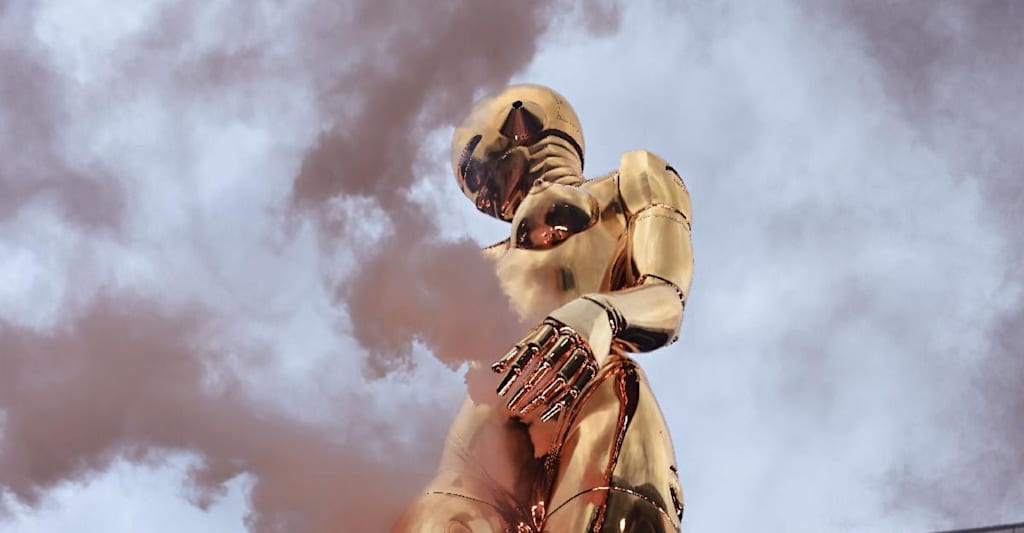
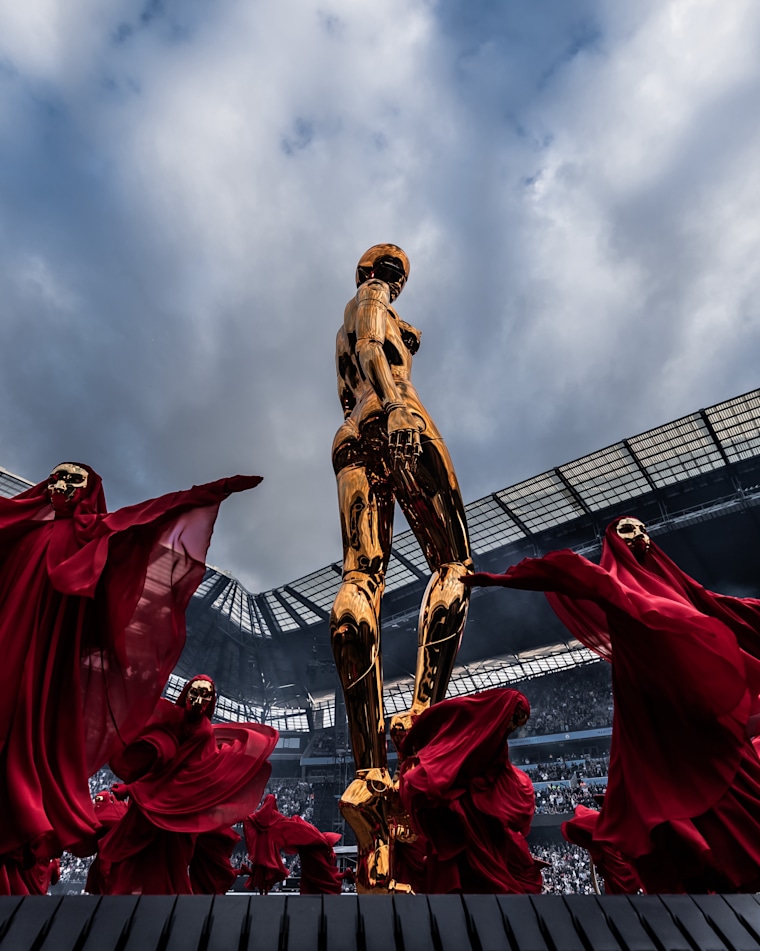
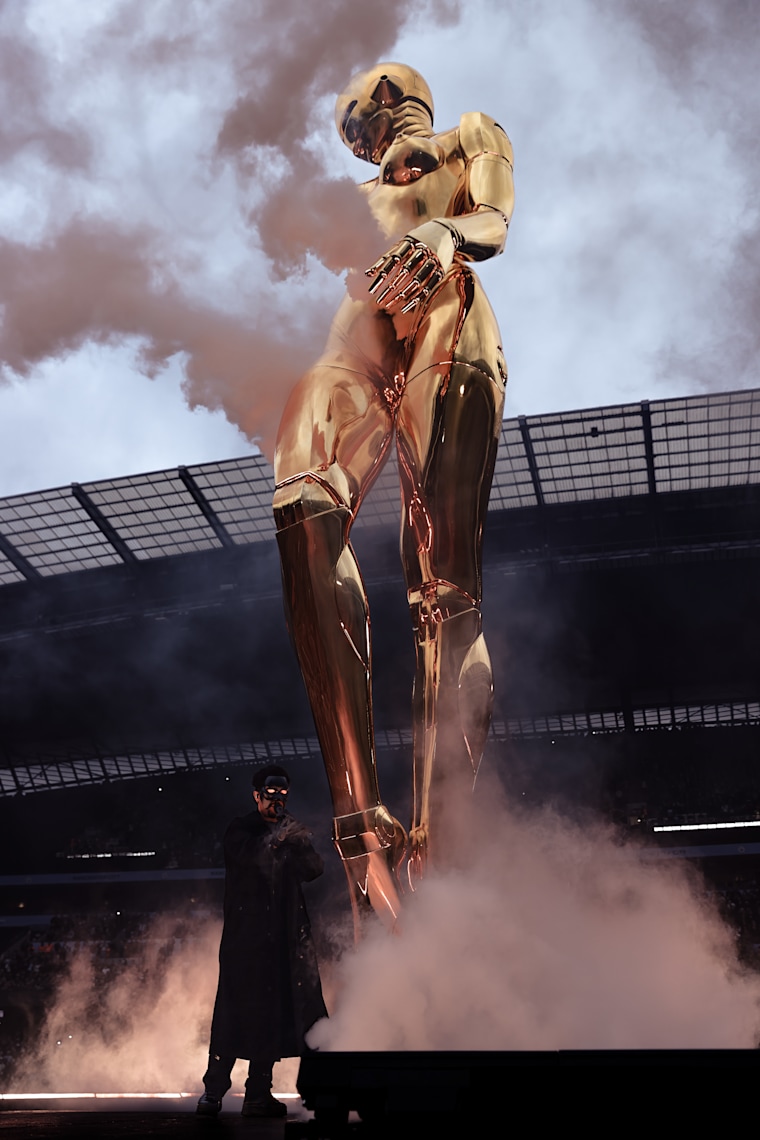
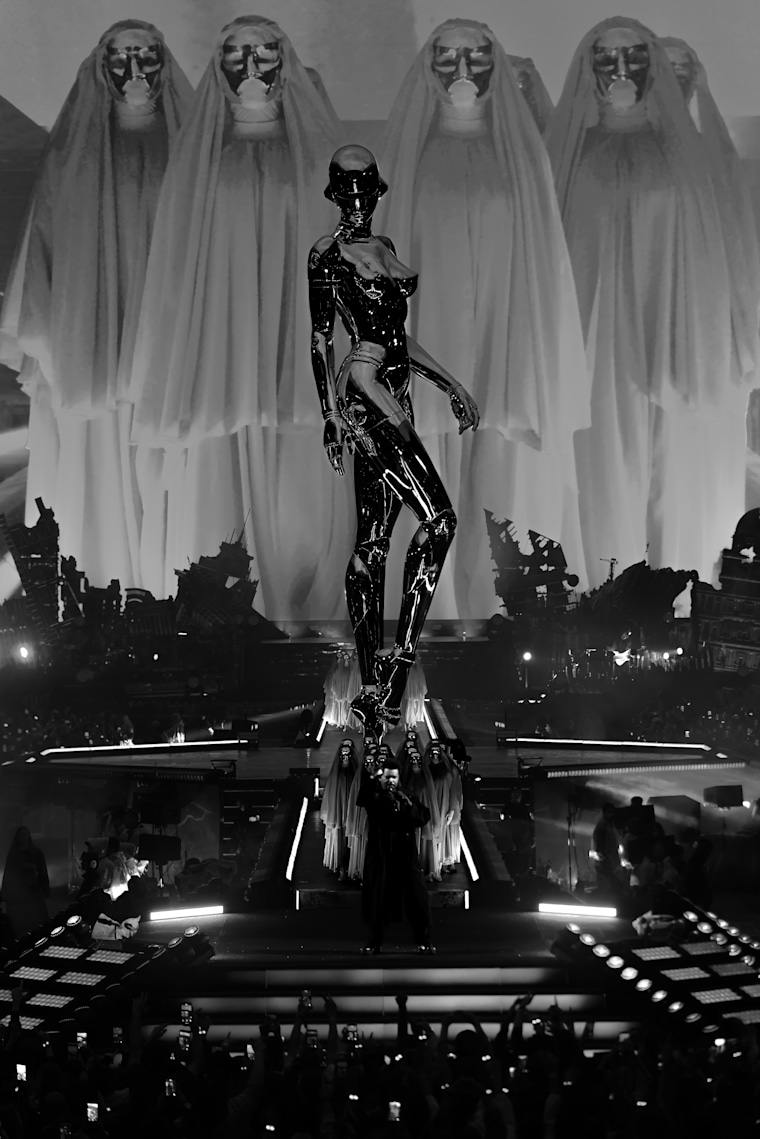
The Weeknd Unveils Record-Breaking Gold Sculpture for After Hours til Dawn Tour
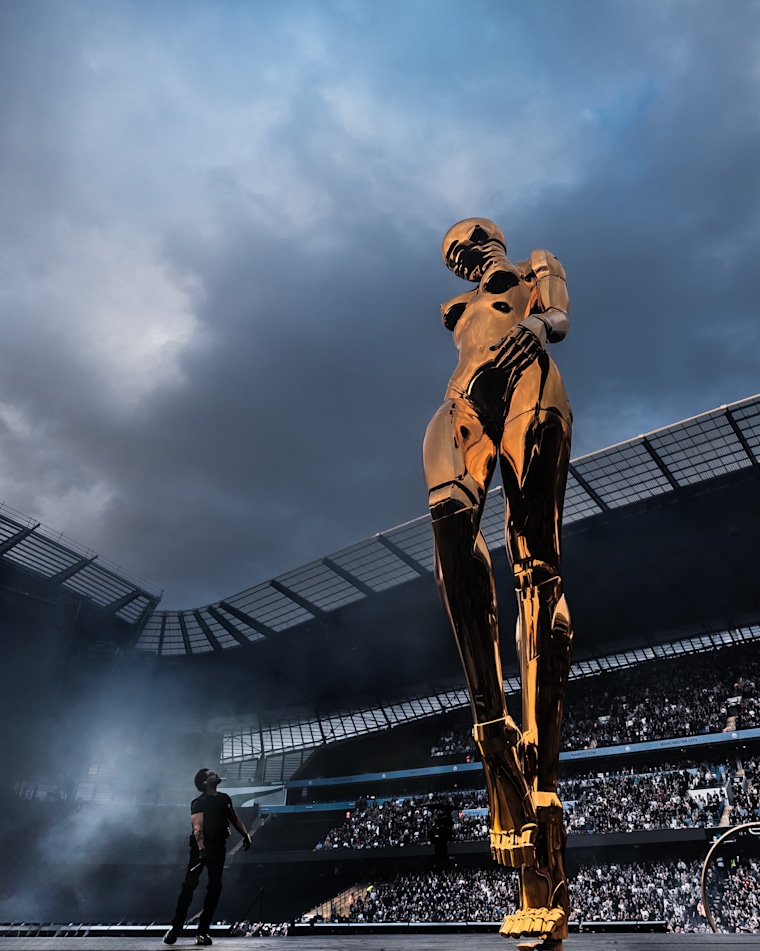
A massive, gold-coated sculpture by the Japanese artist Hajime Sorayama has become the striking new centerpiece of The Weeknd’s After Hours til Dawn Tour. This installation marks a significant milestone in live music production, as it is officially the largest fine art piece ever commissioned specifically for a concert tour.
The tour has already cemented its place in history as the highest-grossing tour by a male solo artist. By integrating this colossal work of art, The Weeknd continues to push the boundaries of the stadium experience, blending high-concept visual art with global pop spectacle.
The sculpture was created exclusively for the tour by Sorayama, the visionary artist renowned for his iconic “Sexy Robot” series. The piece was meticulously carved from polystyrene and cast in Toyama, Japan, before being finished with a hand-applied gold coating. To enhance its presence on stage, the sculpture features integrated laser-illuminated eyes and atmospheric smoke effects.
The After Hours til Dawn tour stands as one of the most attended and highest-grossing concert series of all time, having generated over $1 billion across 153 performances. Originally conceived to support his fourth studio album, After Hours, the tour was reimagined following the pandemic to incorporate the sonic landscapes of his subsequent projects, Dawn FM and Hurry Up Tomorrow.

As the tour continues to evolve, this collaboration with Sorayama serves as a testament to the artist’s commitment to immersive, large-scale storytelling in the live music space.
Lola Young’s “From Down Here” Proves She’s Still Pop’s Rawest Writer
Lola Young is back in fittingly honest fashion. Today, the British singer, who won praise for her 2025 album I’m Only F**king Myself and a Grammy for her hit “Messy,” releases her new song, “From Down Here,” produced by none other than James Blake. The song features Young’s recognizably vulnerable writing style and emotionally raw vocals, filled with rasp and expressiveness.
The track, which Young shares was written the day after her emotional Grammy win, finds the singer capturing her fleeting emotional state as she both achieves her dream of musical stardom and contends with the turmoil it brings. “I’m between a rock and the hardеst place / Can I make them laugh? Can I make them stay?” she sings on the new song over a beat that boasts Blake’s recognizable production style with warped electric piano chords and a simple yet haunting chopped drum loop.
Young has been lying relatively low since she announced her hiatus in September 2025 following a stage collapse at All Things Go festival in New York City. “I’m going away for a while. It pains me to say I have to cancel everything for the foreseeable future,” she wrote on Instagram in September 2025, announcing the pause in activity. “I really hope you’ll give me a second chance once I’ve had some time to work on myself and come back stronger. Love you all, Lola x.”
Since then, Lola Young has been moving towards a full return to public life, gracing the cover of Rolling Stone‘s Future of Music issue and announcing a run of headline dates in the U.K., as well as a top slot at All Things Go. “All Things Go, we have unfinished business,” Young said in a statement, referencing last year’s health incident. “I feel blessed and ready to take it to the next level. Thank you for having me back.”
The new song, which expresses a sense of both anxiety and dogged commitment to moving forward, captures this moment in Young’s career. Young writes about the highs and lows of modern popstardom in strikingly raw fashion. With that, it’s a promising and exciting start to a new chapter for Young.
Layla Rey: Rooted in Honesty, Delivered Like a Statement
Layla Rey doesn't pick a lane; she builds her own road between them. The artist carries the rawness of the underground into spaces that are cinematic, polished, and emotionally precise. Her music toggles between house floor energy and R&B vulnerability without losing either. What holds it together is a creative instinct that asks one question before anything else: does this need to move, or does it need to sit? That question shapes her sound, her visuals, and — as this interview makes clear — the way she thinks about everything.
You’ve talked about carrying both the streets and the spotlight. What does it actually look like when those two worlds pull you in different directions creatively?
It looks like me saying something a little too real, then sitting back like, okay, how do I make this sound expensive?
The instinct is always honest. The spotlight just teaches you how to deliver it so it lingers a little longer.
"Still I Rise" goes full underground house. "You Changed the Way I Love" is slow-burn R&B. What tells you which sonic world a story belongs in?
I ask myself one question—do I need to move through this, or sit with it?
If I need to move, it’s house. If I need to overthink it just a little—R&B every time.
There’s a difference between being hurt and being altered. "You Changed the Way I Love" sits in the second space. Do you think that kind of change is permanent?
It’s permanent the way taste is permanent.
Like once you’ve had something a certain way, you don’t forget it—you just become more selective after. Which isn’t a bad thing… depending on who you ask.
The music video for “If I…” places longing in quiet, everyday moments. What was the creative decision behind framing that desire inside the mundane rather than something more visually dramatic?
Because longing isn’t dramatic most of the time—it’s inconvenient. It’s you smiling at the wrong text, or dancing with the wrong person. That kind of quiet tension? Way more interesting to me.