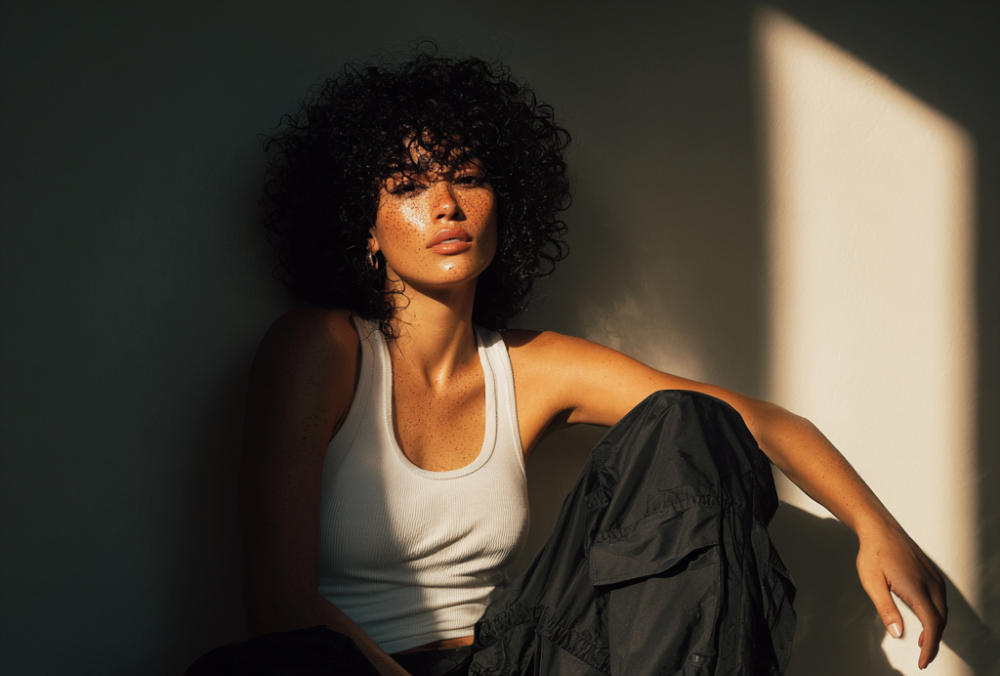
Layla Rey: Rooted in Honesty, Delivered Like a Statement
Layla Rey doesn't pick a lane; she builds her own road between them. The artist carries the rawness of the underground into spaces that are cinematic, polished, and emotionally precise. Her music toggles between house floor energy and R&B vulnerability without losing either. What holds it together is a creative instinct that asks one question before anything else: does this need to move, or does it need to sit? That question shapes her sound, her visuals, and — as this interview makes clear — the way she thinks about everything.
You’ve talked about carrying both the streets and the spotlight. What does it actually look like when those two worlds pull you in different directions creatively?
It looks like me saying something a little too real, then sitting back like, okay, how do I make this sound expensive?
The instinct is always honest. The spotlight just teaches you how to deliver it so it lingers a little longer.
"Still I Rise" goes full underground house. "You Changed the Way I Love" is slow-burn R&B. What tells you which sonic world a story belongs in?
I ask myself one question—do I need to move through this, or sit with it?
If I need to move, it’s house. If I need to overthink it just a little—R&B every time.
There’s a difference between being hurt and being altered. "You Changed the Way I Love" sits in the second space. Do you think that kind of change is permanent?
It’s permanent the way taste is permanent.
Like once you’ve had something a certain way, you don’t forget it—you just become more selective after. Which isn’t a bad thing… depending on who you ask.
The music video for “If I…” places longing in quiet, everyday moments. What was the creative decision behind framing that desire inside the mundane rather than something more visually dramatic?
Because longing isn’t dramatic most of the time—it’s inconvenient. It’s you smiling at the wrong text, or dancing with the wrong person. That kind of quiet tension? Way more interesting to me.


