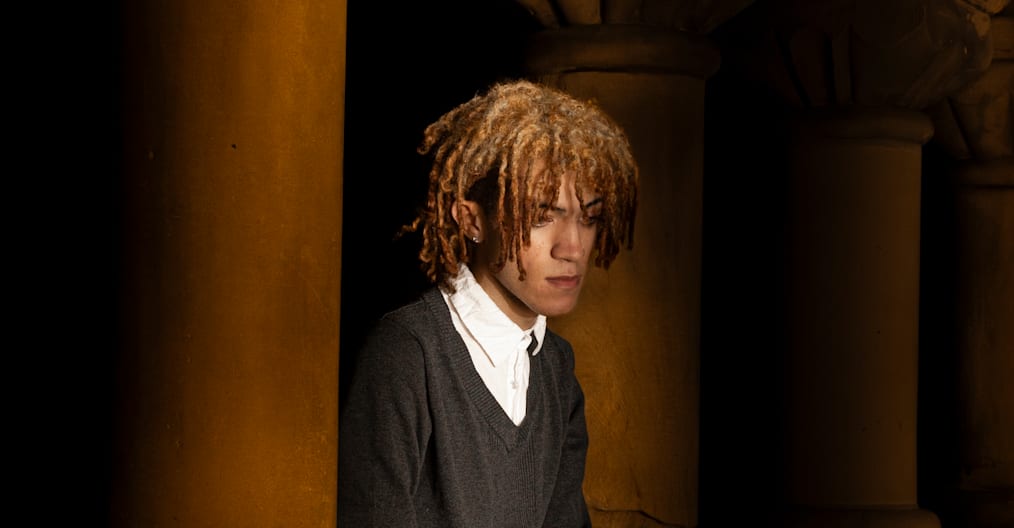
Canadian rapper bronclair possesses a rare, heart-on-his-sleeve mentality that resonates regardless of the production style he chooses. His music often feels like a slice-of-life anime—intimate, observant, and deeply relatable. While his melodic raps might appear low-stakes on the surface, he intuitively understands that the most daunting challenges are often the ones we face in our daily routines: the anxiety of personal style, the uncertainty of romantic interest, and the persistent search for happiness.
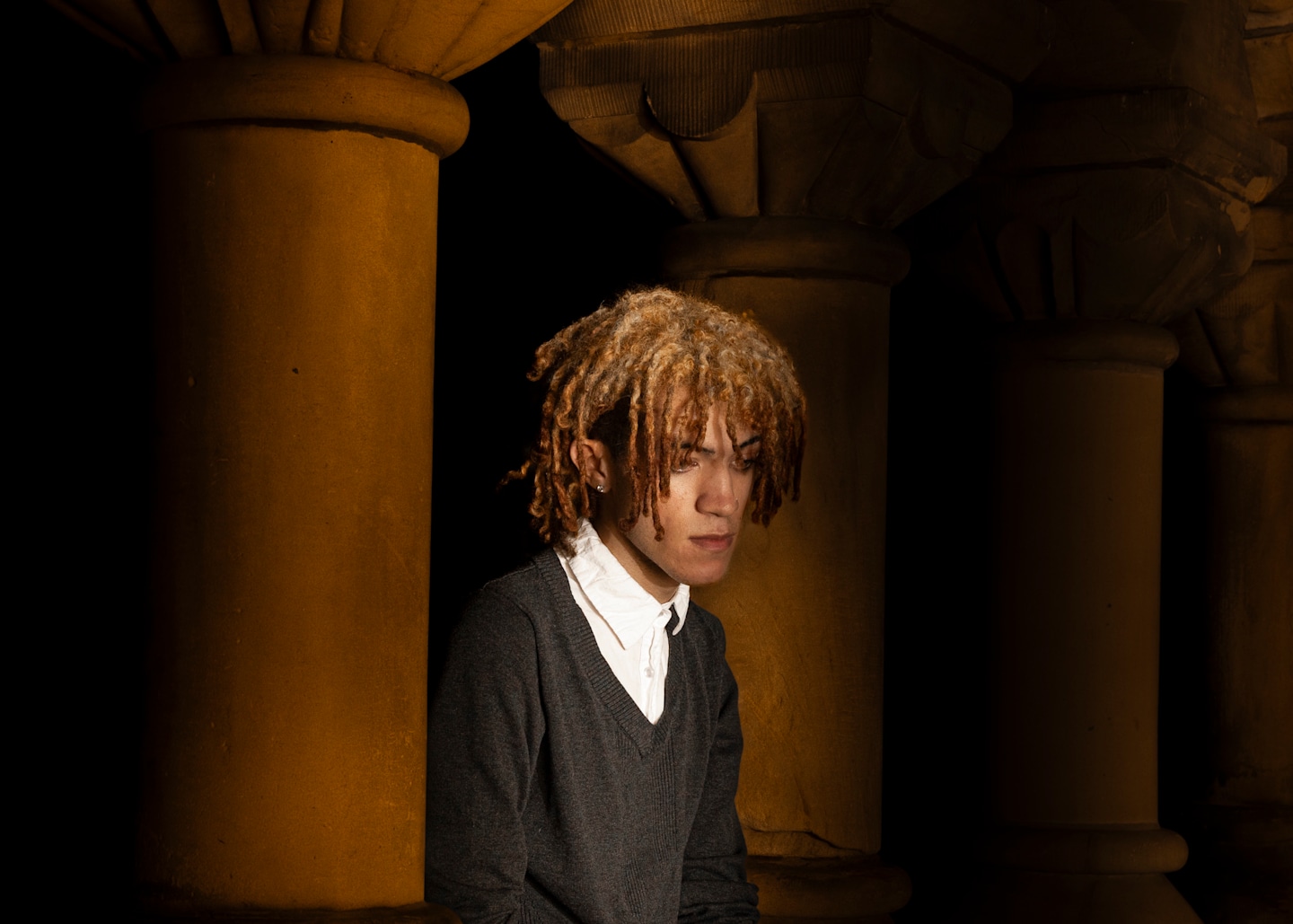
Across his discography, including his 2025 EP the crow, bronclair demonstrates a remarkable ability to adapt his flow to diverse instrumentals. Whether he is navigating a high-energy jerk beat or a more atmospheric, ambient soundscape, he consistently subverts expectations. This versatility has made him a sought-after collaborator for artists like xaviersobased, yet his solo work remains his most compelling, often featuring production from collaborators like Rabi and Liv.
In a recent conversation, bronclair opened up about his influences and his approach to life. When asked about his hometown, he emphasizes the importance of peace, noting that he finds solace in hiking trails that offer a panoramic view of the city. His artistic sensibilities are deeply informed by his personal interests, ranging from the Scott Pilgrim vs. The World soundtrack—the first album he ever purchased—to the quiet yearning found in the 2005 adaptation of Pride & Prejudice.

For bronclair, the creative process is an exercise in presence. He describes himself as a “vessel for music,” noting that he only releases tracks when he feels a strong, undeniable emotional pull. This intuition extends to his lyrical content, such as in his track “Intermezzo,” which he named after a Sally Rooney novel. He explains that the song serves as a response to external pressures, asserting his autonomy and his desire to focus on his own path rather than industry standards.
Looking ahead, bronclair remains grounded. While he expresses interest in touring to perfect his live performance, he maintains a healthy perspective on fame, prioritizing his mental well-being and creative integrity over the relentless demands of the industry. His admiration for artists like PinkPantheress—whose choreography and performance style he cites as a benchmark—suggests a musician who is deeply invested in the craft of performance and the art of storytelling.



Recent Posts
Recent Posts

AlphaTheta’s Studio Plan Lets DJs Edit and Remix Their Libraries

Julia Cumming Joins Wolf Alice for Olivia Rodrigo’s ‘Unraveled’ Tour

Sasha Keable Delivers Soulful Performance on Saturday Night Live UK

pinponpanpon Unveil Manga Alongside Debut Album ‘pinponism’

Behind the Scenes: Gunna and Coco Gauff’s “Pop It” Music Video