The Architecture of Sound
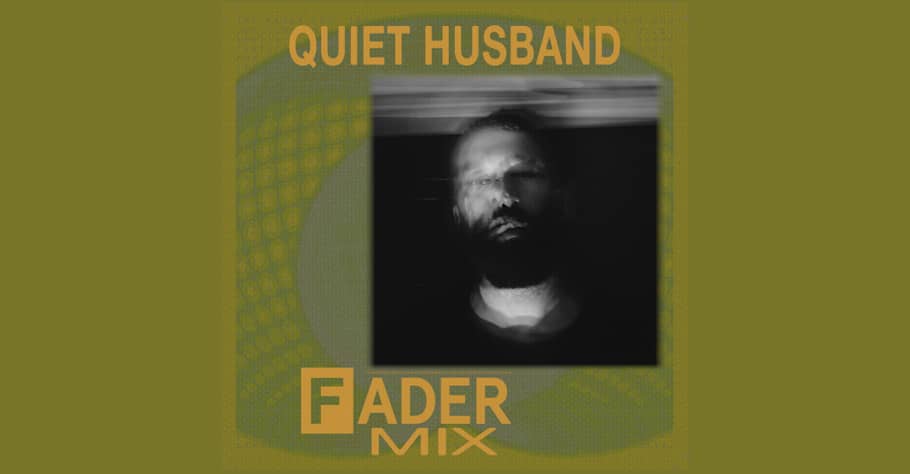
Multi-disciplinary artist and DJ Quiet Husband, known to many as Richie Culver, crafts music that transports listeners into the unfamiliar. His latest FADER Mix is a testament to this ability, luring the audience into a state of timelessness where sounds blend and unfurl in hypnotic, circular patterns. This textural specificity is a hallmark of his production, most notably heard on his recent album The Architecture Of Perception.
Culver’s creative output is not confined to the studio. His visual art, including his recent exhibition The Builder’s Daughter, showcases a penchant for collage and abstraction that mirrors the murky, organic quality of his techno sets. His work has garnered international attention, finding fans in high-profile figures like Drake, who famously incorporated Culver’s text-based art into a 2022 merchandise drop.
A Deep Dive into Techno
Describing his FADER Mix as both a “tribute to and an investigation of” the genre, Culver notes that the selection process was driven by a desire to push beyond standard dance floor functionality. “Drawing on artists such as Floid and Spekki Webu, the mix unfolds as a seamless, otherworldly passage through dense textures and shifting atmospheres,” he explains. “There’s a swamp-like quality to it: murky, organic, and constantly evolving.”
Quiet Husband’s FADER Mix tracklist:
Quiet Husband – “Dull”
Archypness – “Mahagon”
Floid – “Zoona”
Wild Moss – “Abo Abo”
Feral & Speck Webu – “Exitude (Floating Version)”
Archypness – “Drakhön”
Gui & Adhi – “Desiran”
Raär – “Edge Trigger”
Archypness – “Duh”
Spekki Webu – “ceism.iii”
From Football to the Booth
Culver’s journey into music was unconventional, beginning after his dreams of a professional football career at Hull City and Doncaster Rovers shifted. His early fascination with DJing, sparked by a pair of turntables received at age twelve, eventually led him to the underground club circuits of Berlin and London. Reflecting on his formative years, he credits his late friend Jamie—who transformed an upstairs bedroom into the legendary “Hectic Rooms”—for providing the space to experiment and find his voice.
Today, Culver sees no distinction between his visual practice and his electronic music. Whether he is scoring a LOEWE runway show or performing at venues like Berghain, he views every project as a different expression of the same creative impulse. For those looking to understand his philosophy, his advice remains simple: be the kind of artist who can design the flyer, play the show, and capture the moment, all while maintaining a singular, uncompromising vision.
Recent Posts
Recent Posts

AlphaTheta’s Studio Plan Lets DJs Edit and Remix Their Libraries

Julia Cumming Joins Wolf Alice for Olivia Rodrigo’s ‘Unraveled’ Tour

Sasha Keable Delivers Soulful Performance on Saturday Night Live UK

pinponpanpon Unveil Manga Alongside Debut Album ‘pinponism’

Behind the Scenes: Gunna and Coco Gauff’s “Pop It” Music Video