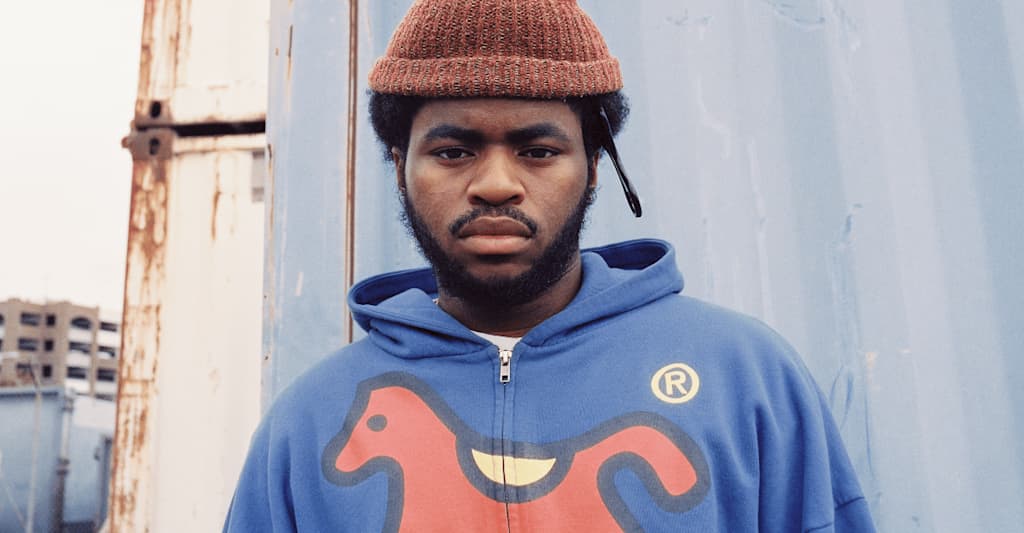
Rapper-producer Ovrkast is on the defensive this month after Outkast sued the East Oakland native for trademark infringement over their “nearly identical” artist names. In a statement to Rolling Stone earlier this week, Ovrkast said in part, “I have never had any intention of trying to copy, misrepresent or confuse fans with the name of such a legendary act.” The legal drama comes just weeks before the release of Ovrkast’s forthcoming album STRIKING, due out October 9.
In the 31-page complaint filed in federal court on September 16, iconic Atlanta rap duo Outkast said they initially sent Ovrkast a cease and desist letter in June 2025, and that after negotiations, had reached an agreement for the younger artist to change his name, though Ovrkast never signed the finalized agreement. In posts on social media, Ovrkast explained that his name, a play on the word “overcast,” was conceived in 2015 because the artist was in a collective that called themselves “Weather Boyz,” and came up with the meteorological moniker based off that concept.
**For the record, I NEVER signed any agreement. I tried my hardest to cooperate with different options every step of the way. This narrative that I’ve done wrong is also wrong. (had to clarify) peace.
— Ovrkast. (@ovrkast) September 23, 2026
Per the lawsuit, Ovrkast initially agreed to change his name to Overkxst by July 15, 2026. When time came to finalize the agreement with OutKast, Ovrkast wanted to renegotiate the final name he would use just two days before the phase-out deadline. The lawsuit says the two names the rapper presented included one name OutKast had previously rejected and a variant on another name they had rejected. Following further attempts to finalize the agreement, Outkast filed suit against Ovrkast mid-September.
Interestingly, the lawsuit brought by High Schoolers LLC (Outkast’s holding company, which is solely owned by Big Boi and Andre 3000) not only encompasses trademark infringement and unfair competition, but also breach of contract – that last claim will only stick if the court finds that lawyers negotiating and verbally agreeing to terms constitutes a finalized contract without Ovrkast’s signature on the final documents. That seems like a difficult argument on its face, considering that the lawsuit explicitly states, “Despite Plaintiff’s repeated follow up efforts, Defendant […] ultimately refused to execute the Settlement Agreement despite having agreed to all of its terms months earlier.”
Whether OutKast has a legitimate claim to trademark infringement depends on who you ask. The lawsuit cites a previous Rolling Stone interview with Ovrkast where the rapper said in part, “…The worst thing I get is like, ‘The nigga think he Outkast.’ It’s like, ‘No, bro. I wasn’t even thinking about Outkast.’ Mad Niggas do that shit. They read Ovrkast [as] Outkast. They’re like, oh my God, I thought they said Outkast. And it’s like, it don’t […]” Depending on your perspective, that statement might seem like Ovrkast acknowledging brand confusion, or simply saying that people are bad at reading.
While an outright trademark battle would be murkier, if the court finds that the verbally agreed contract is binding, the outcome will be more cut and dry (and decidedly not in Ovrkast’s favor).


