Eartheater tackles the cosmic joy of motherhood
In the wake of her latest album, Heavenly Body: If I’m The Bottle You’re The Message, Eartheater has emerged with a project that feels both deeply intimate and sonically expansive. While she initially feared the record might be too personal for her audience to fully grasp, the response has been overwhelmingly positive. The album, which draws inspiration from the conception, gestation, and birth of her first child, serves as a testament to the intersection of body horror and divine joy.
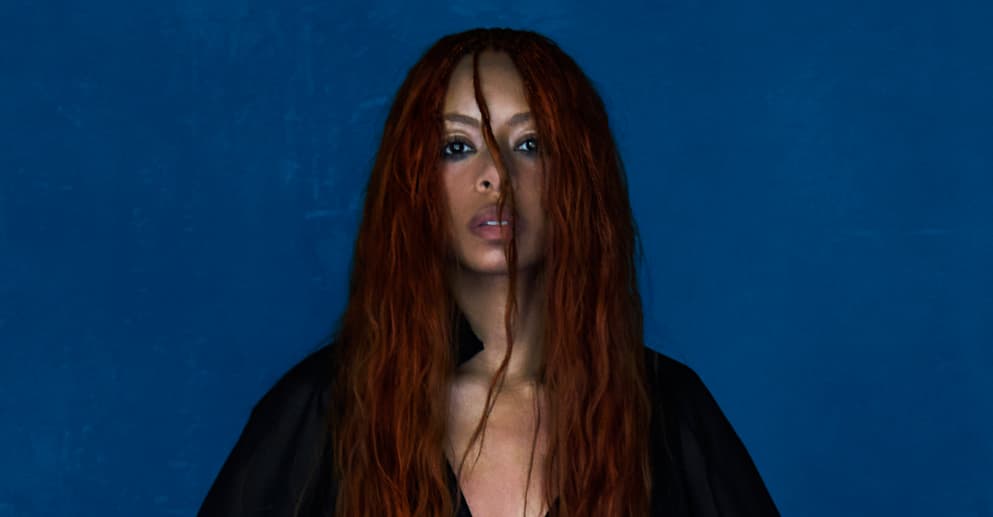
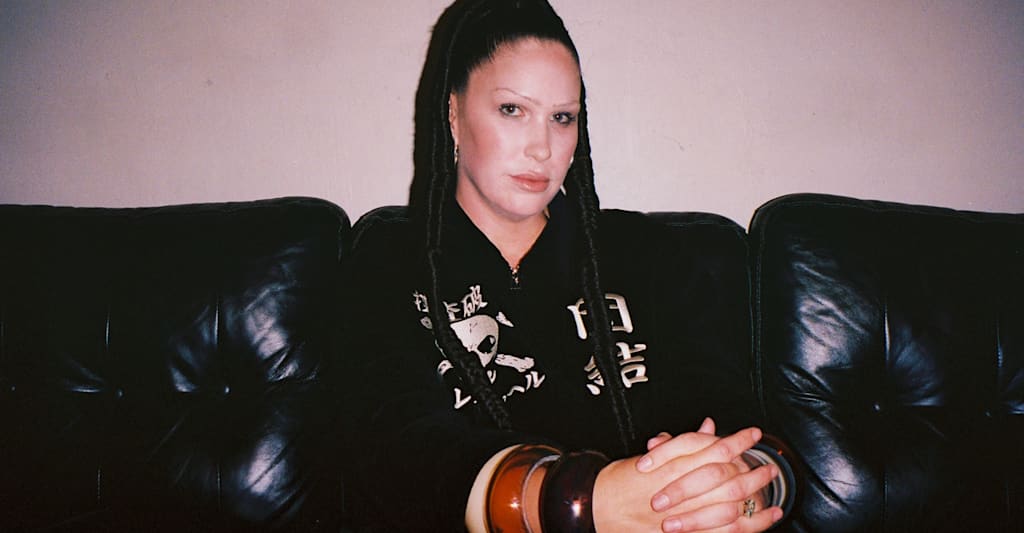
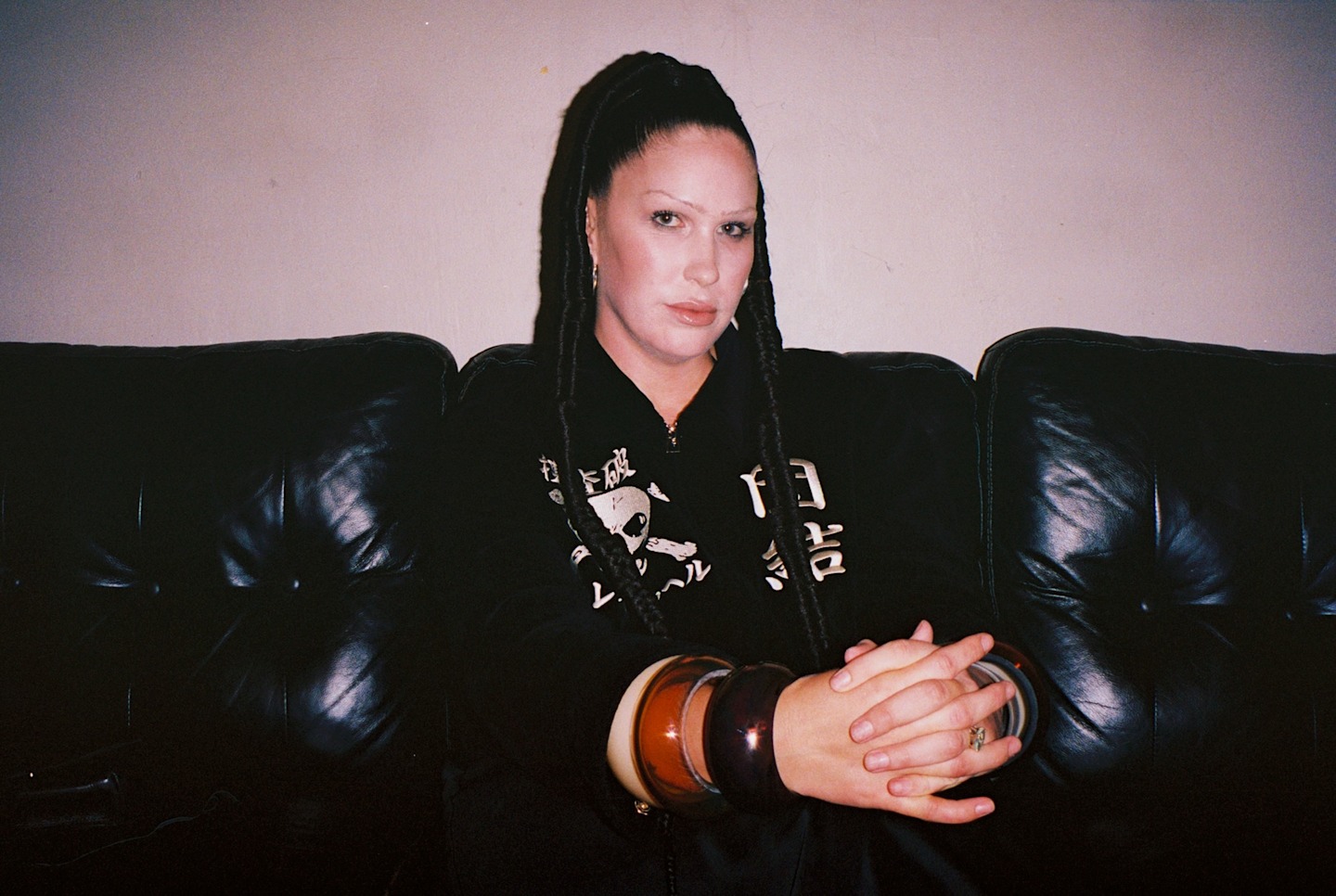 Eartheater backstage at Bowery Ballroom.Vivian Medithi / The FADER
Speaking from backstage at the Bowery Ballroom, Eartheater reflects on the creative process behind the project. She notes that the album’s aesthetic, art-directed by her friend Yasz, leans into the concept of wabi-sabi—the beauty of things that are cracked and repaired. This theme mirrors her own journey of being "cracked open" by the experience of motherhood and subsequently finding healing.
View this post on InstagramA post shared by The FADER (@thefader)
The album’s sonic landscape, produced in collaboration with Dave Cerminara, utilizes modular synthesis and vintage drum machines to evoke a sense of nostalgia and raw emotion. Eartheater explains that the drums were often the result of "magical wielding of sorcery" on a wall of synths, capturing the specific, intense feelings of early motherhood. A standout moment on the record is the collaboration with Oklou on the track "Fast Asleep," a lullaby that highlights their shared experience of becoming mothers around the same time.
Eartheater backstage at Bowery Ballroom.Vivian Medithi / The FADER
When asked about the confidence she displays regarding motherhood, Eartheater is candid. "I feel like I was really meant to do this," she says, noting that she thrives in the crisis-driven nature of parenting. For those looking for practical advice, she recommends the Tushbaby, a versatile hip-seat carrier that has become an essential tool in her daily life. Ultimately, Heavenly Body stands as a bold, honest exploration of a life-altering transition, proving that Eartheater’s artistic vision remains as sharp and evocative as ever.
Vivian Medithi / The FADER
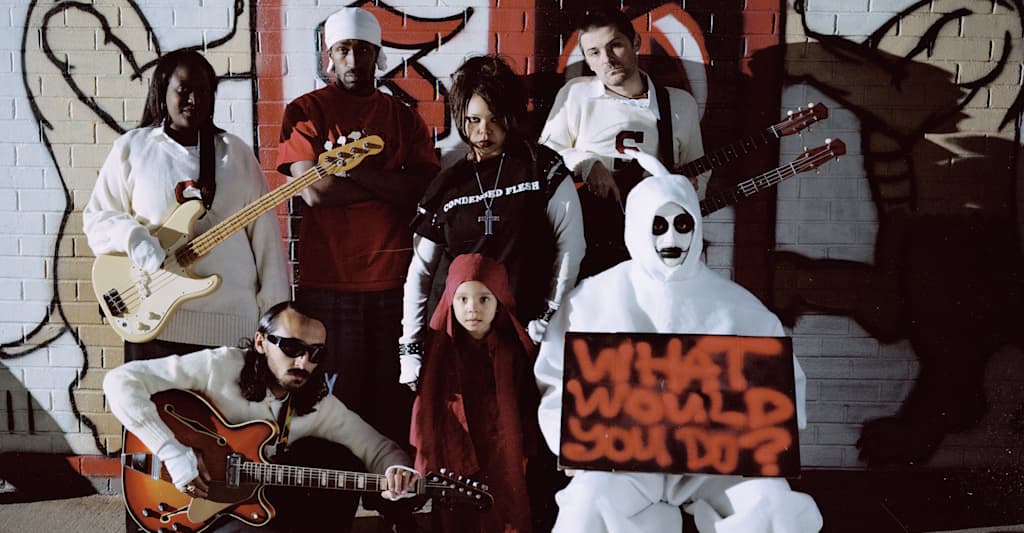
Standing on the Corner are raising the stakes
If you wanted to listen to Standing on the Corner II over the past year, you had to buy the full-length album, complete with an accompanying film, on DVD. But actually purchasing that DVD was easier said than done. A year ago, on September 11th, 2025, a person dressed as Mickey Mouse stood still in bustling Times Square, which ranks alongside subway buskers and public urination as the most ignorable sights of New York City. But eagle-eyed fans of Standing on the Corner who heeded a single Instagram announcement that morning could hand the mouse $50 for a copy of the album.
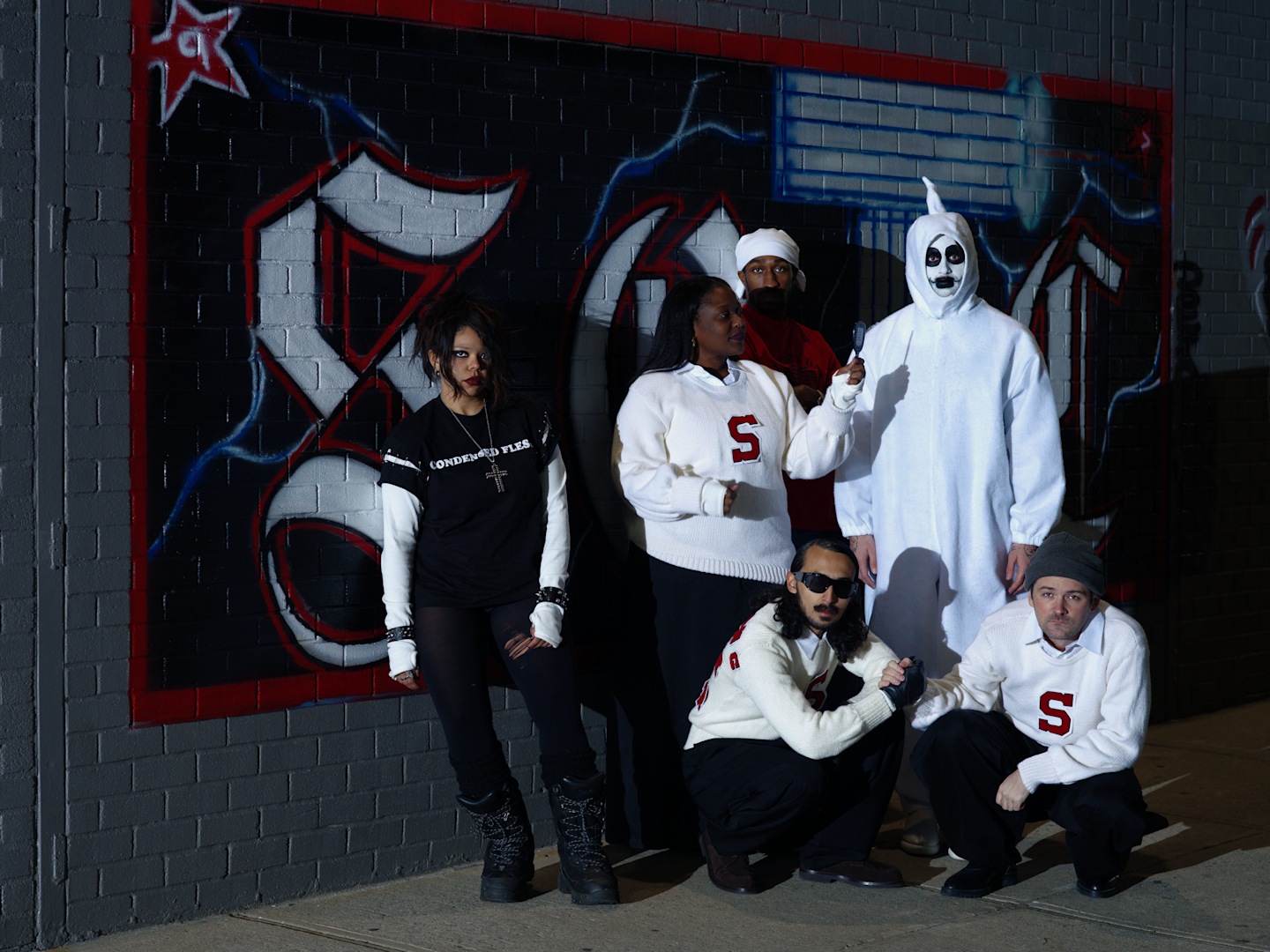
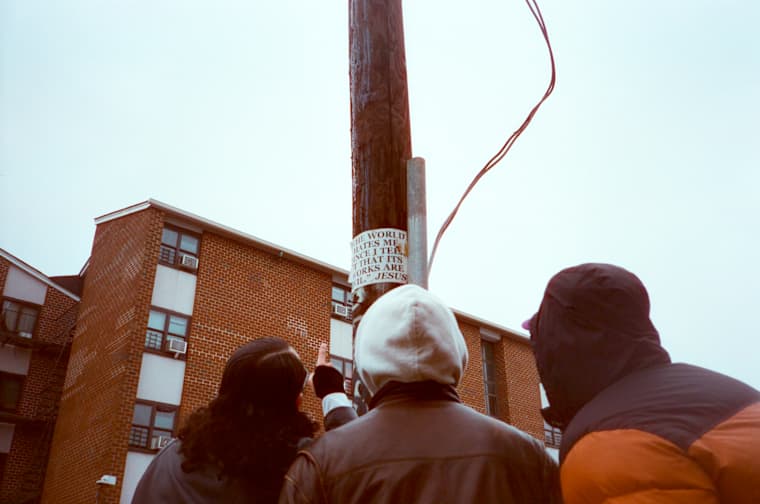
If they missed out at Times Square, maybe they stopped by a listening event that November featuring 89-year-old pianist Bertha Hope, or an intimate concert at the legendary Sugar Hill Restaurant & Supper Club featuring the band and Styles P. What initially seemed like a wild goose chase revealed itself as a patient tour of New York, woven together by the people and places that have shaped the group’s life in the city.
Released as an hour-long music video with pseudonymized features and no digital presence, Standing on the Corner II was a daring experiment in attention and rebellion against the vicious media cycle. But today, September 11th, 2026, exactly a year after the initial release, the project has arrived on streaming services, allowing the masses to experience Gio Escobar and his ensemble’s grand statement on our shared sacred past and daunting present circumstances.
“I’m repulsed by media, in a different way than when I was studying it,” says Escobar. “Now I’m on the other end of it, and I recognize just how much of it really is about generating revenue for people who are selling something they have absolutely nothing to do with.”
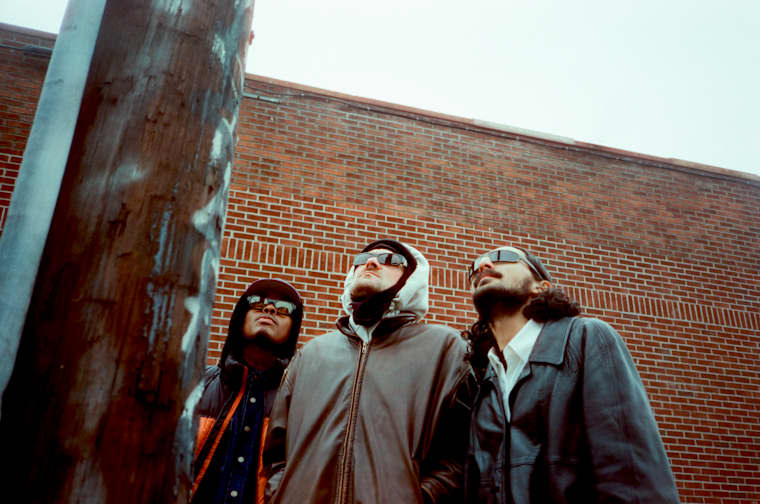
Escobar, who attended The New School for journalism and jazz, resents the media the way only someone who deeply understands its machinations could. Culture dies after commodification, he notes, especially Black and brown youth culture. Yet, he remains pragmatic about the necessity of the industry. “I’m realistic about the fact that we’re gonna do this interview… You’re constantly having to make deals with entities that quite literally were born and created out of the graves of you and your people.”
Standing on the Corner approached this record with newfound thematic and structural clarity. Their latest album marks the first full-length from the New York experimental ensemble since 2017’s masterpiece Red Burns. Even without co-founder Jaspar Marsalis, the group has maintained a stunning trajectory, working with major players like MIKE, Earl Sweatshirt, and Solange.
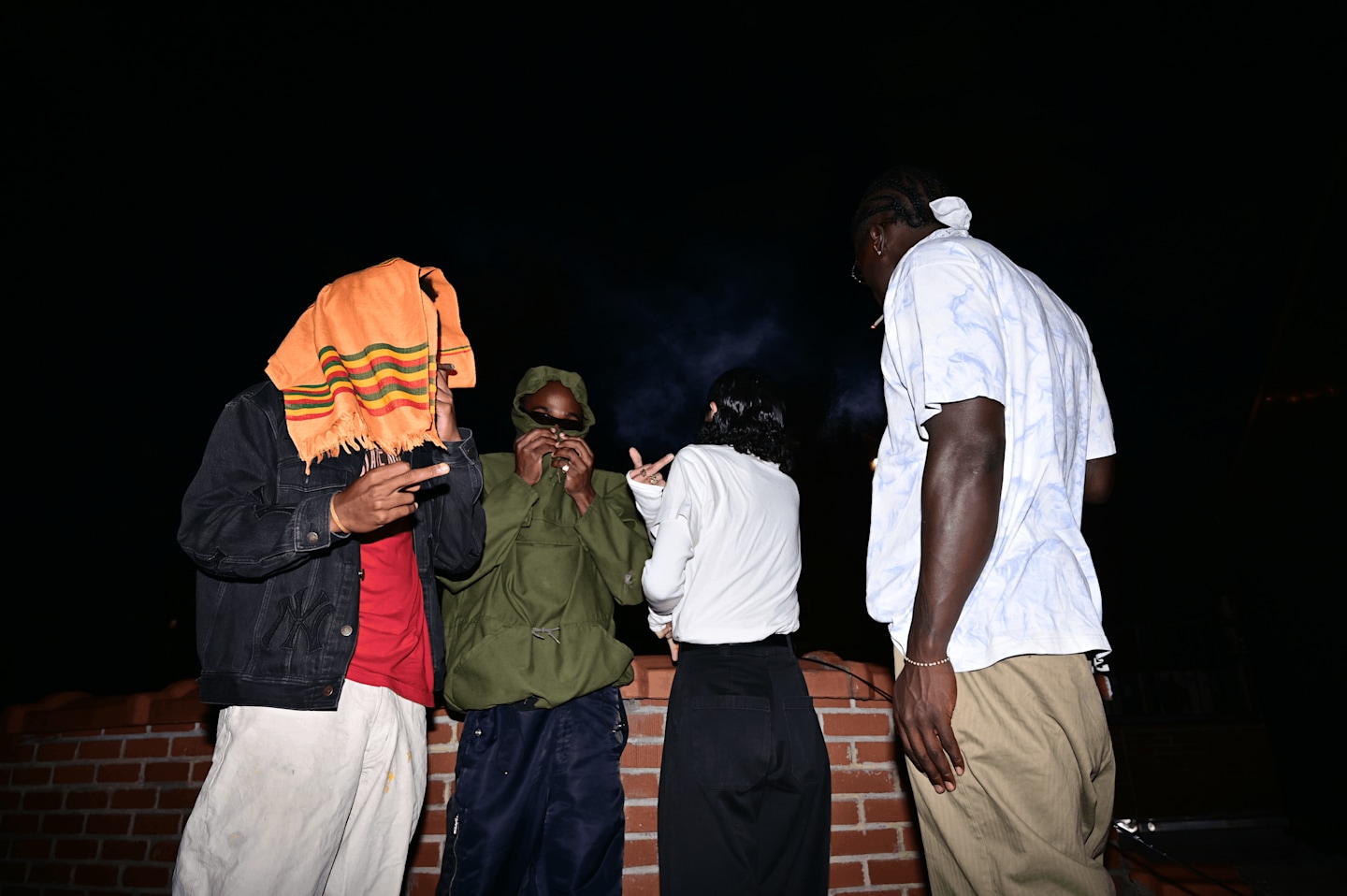
“When we were starting to release our music, marketing was not at all relevant,” Escobar said. “Now it’s relevant because we’re contracted to a record label. The stakes are different, and when you see that things have changed, you have to raise the stakes. Or you die.”
I want to clarify that bringing you to see what’s left of Half-A-Mill was not so much to elucidate the obvious metaphor that his fading image represents for the neighborhood at large, but more so to make a comment on the role the media plays in detaching art from its connection to its cultural context of production, expediting the slow death of local cultures and their lores.
Mythology is essential to every society and perhaps just as important is the means by which those myths travel and how they are communicated. Where the fate of a tradition, or a custom, or a local secret, or any “artifact” imbued with cultural significance, used to lie with the lips of those who passed them onwards communally one ear at a time, such things are no longer dealt with exclusively or quite so sensitively as we constantly see this debasement of Black / Brown cultures falling victim to the ingestion into and demands of a different system of knowledge, values, understanding, etc.
Much like the troves of looted African art that still lines the halls and walls of many Western colonial powers’ art institutions, this transference of context is more astutely understood also as the loss of their essence and thus their significance, rendering them effectively dead; Their new context not only imprisons them for the purpose of ‘viewing’ and objectification, but wholly subjugates their intended function.
I see little difference between the reduction and sterilization that happens to a Dogon Kanaga mask when it becomes a museum object and a Neighborhood’s local legend when it becomes a footnote in a Genius.com annotation or incorrectly referenced unscrupulously in an album review.
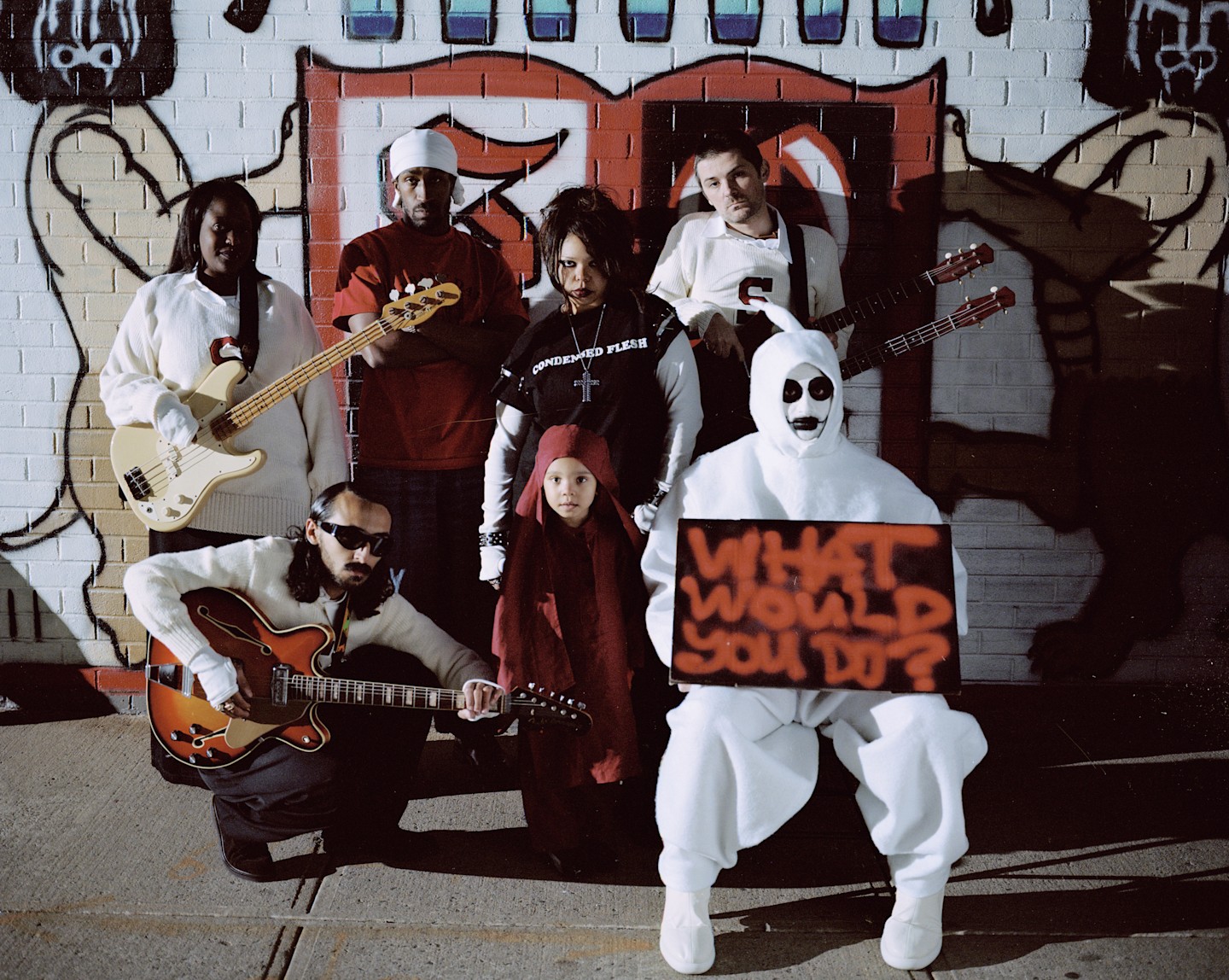
Escobar’s effort to incorporate these “artifacts” is his form of memorial for both the dead and the living. Standing on the Corner II features the likes of Solange, Danny Brown, and Styles P, but references everything from Sonia Sanchez and Frank Lloyd Wright to Aaliyah and Chuck Berry. It is a dense, omnivorous work that defines the ensemble’s unique place in the modern musical landscape.
Ravyn Lenae’s “Potential” Finds Her at Her Most Experimental
Ravyn Lenae’s “Potential” from her new album Blue Island begins like so much of her delicate, freewheeling tuneage. Crystalline layers of warped guitar and warm bass create a foundation for her breathy operatics, as Lenae sings of love, desire, and loss. “Call me crazy / I feel the tables turning,” she sings, hoping for the fleeting possibility of love and connection. There’s a minimal poppiness to the track; drumless for much of it, one hears the skeleton of a more conventional Top 40 track, with its neat melodies and craftily built chorus that ascends above the verse’s story-focused lull. But its minimalism makes you zero in on Lenae’s sensitive songwriting and overall subtlety.
Something quite shocking happens right after the two-minute mark. Fuzz builds and then a metal scrape careens the song into pure Dariacore cacophony, Jersey-club drum patterns speed running through distortion, while winsome helium synths, that remind me of those used by Lorde producer Jim-E Stack, punctate the madness. All the while, the song’s warm piano chord progression continues apace, contrasting what could be pure dizziness with something cozy and held. Layers of her vocals, echoed and filtered, loop and come in like a fog, before the whole thing fades away.
It’s a surprising turn for a musician who has long stayed in a comfortable musical zone, somewhere between ’70s soul and disco and 2010s indie optimism. The surprising musical shift feels invigorating, rather than random, though, as it still feels rooted in Lenae’s undeniably heartfelt songwriting and composition. If the sound is a thrilling fluke, then it added beautiful cinematic shape to Lenae’s album, But if it’s a brief preview of another entire sound to come, then it’s certainly exciting.
Arca’s ‘XXXXX’ is an Ecstatic Return to Mixtape-Era Form
Arca’s first album in five years is both a pivot and a return. In 2020, she expanded her world-building into epic, multi-part terrain with her KICK pentalogy. Those albums unfurled with lullaby-like compositional works, strobe-lit reggaeton, noise music, ambient, and more. The series undoubtedly spelled a new era of ambition for Arca, but its epic scope meant that it didn’t necessarily have the whirlwind momentum of her earlier mixtapes, namely 2013’s &&&&&, which remains a definitive project in her discography.
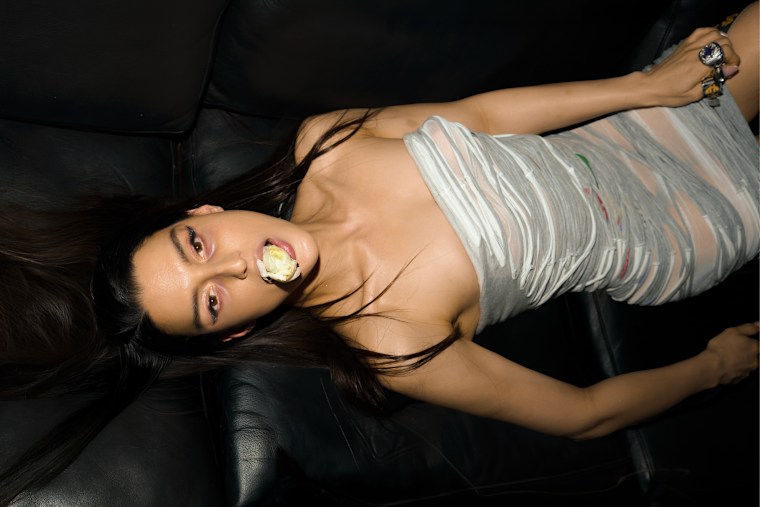
On her latest album, XXXXX, out today, Arca straddles both cinematic atmosphere and pure noise, creating an environment and ethos that is equal parts organic, bloodied, and machine. Songs like “Willow” see her pairing a Clams Casino-like ambiance with an 8-bit counterpoint, an electric fuzz floating through a misty wind. My favorite track, “Fxck,” features glittering percussion and epic bass stabs, its neat compassion informed by a classic pop progression. On it she sings, “Kill the father,” a line that takes on epic resonance as the song builds into a full pop-inflected symphony, crushing patriarchy and power with bass and drums.
A Study in Multi-Polarity
Overall, the album is less a journey than a study in multi-polarity, a psychedelic tumble through sounds, genres, and expression. The string-laden “Finisher” recalls her magisterial work on Björk’s Vulnicura. The spacious and huge “Throb” drowns the listener in dense layers of reverb. “Everything”—glitchy, breathing, gasping—sounds like a sonic birth, a slow-moving becoming as its stutters slow into phrases. Album closer, “Sueño,” picks up the glitched pants of “Throb” and stretches it into a sustained scream.
In 2013, Arca explored similar varied landscapes on &&&&&. There were songs, like “Mother,” that sounded like a detuned piano revelry in the vein of Aphex Twin. There was the chopped, screwed, and melted dance piece “Pinch,” and the serene, quasi-IDM of “Obelisk.” The unpredictability and sense of intuition that haunted &&&&& made it a thrilling, often surprising listen, and showed a younger me how one artist could display their multitudes without being flashy or frenzied, but bold.
After five years of relative musical quiet, XXXXX comes back as a nimble and varied show of force from Arca, less a total musical world than a piece of free expression. There’s an energy and ease to it. An X-factor, if you will. I’m glad to have Arca back releasing solo albums in any way, but especially like this.
OHYUNG’s FADER Mix is a Spiritually Dense Sonic Journey
Brooklyn-based composer and artist OHYUNG has unveiled a new FADER Mix that carries the gravity of a prayer. The project, titled HRT—a direct reference to Hormone Replacement Therapy—serves as a poignant, tongue-in-cheek response to the current political climate surrounding trans healthcare in the United States. By framing the medical transition as a form of religious devotion, OHYUNG reclaims the language of faith to articulate a deeply personal experience of liberation.
"For me personally, coming to terms with my identity as trans and starting HRT felt like some sort of religious devotion, a giving up of controlling my life and stepping towards faith," OHYUNG explains. The mix incorporates audio from Christian hymns, subverting the source material to reflect a perspective of transness as a spiritual rebirth. "I thank god I am free, free, free from this world of sin. I've been washed in the blood of [HRT] I've been born again," she notes.
Photo by Jessica Dunn Rovinelli
The mix is a masterclass in genre-blending, featuring an exclusively trans lineup of artists. It moves fluidly between epic ambient soundscapes, pop delirium, noise music, and indie rock. This versatility is a hallmark of OHYUNG’s broader career, which includes scoring projects like Julio Torres's Problemista and the HBO series Fantasmas. Her recent discography, including the experimental rock album You Are Always On My Mind and the ambient record IOWA, further cements her status as a multifaceted artist capable of shifting between intimate, textural sound design and expansive, emotive compositions.
The FADER · FADER Mix: OHYUNGWhen asked about her approach to DJing, OHYUNG emphasizes the parallels to her work as a composer. "In composition you have to figure out how to get from one feeling to a different emotion, and doing those emotional shifts with songs that are already their own recordings is an interesting exercise," she says. Her local scene in New York City has been instrumental in shaping this perspective, providing a community-forward model that has nurtured her growth as both a musician and a performer.
The mix is currently available to stream on Soundcloud, Youtube, and Mixcloud, offering listeners a profound look into the intersection of identity, faith, and sonic experimentation.
Arca Announces New Album ‘XXXXX:’ Everything We Know So Far
Arca is officially returning with her first studio album in five years. Today, July 20, the pioneering Venezuelan-born artist, DJ, producer, and vocalist has shared key details about her ambitious forthcoming era, which includes a livestream experience and an expansion of her ever-evolving sonic and visual world. The news comes on the heels of a busy, collaborative period in the artist’s work, having produced remixes for Addison Rae, Robyn, and Hikaru Utada, as well as contributing production to Madonna’s CONFESSIONS II.
Here is everything we know about Arca’s new album so far.
What is Arca’s new album titled?
Arca’s new album is titled XXXXX. The name serves as a deliberate nod to past mixtapes, also named after four repeating symbols: 2020’s @@@@@ and 2013’s seminal &&&&&—both of which are widely considered among her most experimental and audacious works.
When is XXXXX being released?
XXXXX is scheduled for release on July 31. It is currently available for pre-save.
What is Arca’s Diva.Experimental livestream?
Alongside the album announcement, Arca has shared details for a forthcoming livestream titled “Diva.Experimental.” The two-hour performance will stream on July 23 live from Barcelona on Twitch and YouTube at 9:30 p.m. CEST. A press release notes that the livestream will provide a window into the world of the album and feature unreleased tracks across seven distinct locations. The visual is directed by German photographer Daniel Sannwald, who previously photographed the cover to Rosalía’s MOTOMAMI and directed music videos for Billie Eilish, Kali Uchis, and M.I.A. It was styled by artist Akeem Smith, known for his work with Hood By Air.
XXXXX album art:
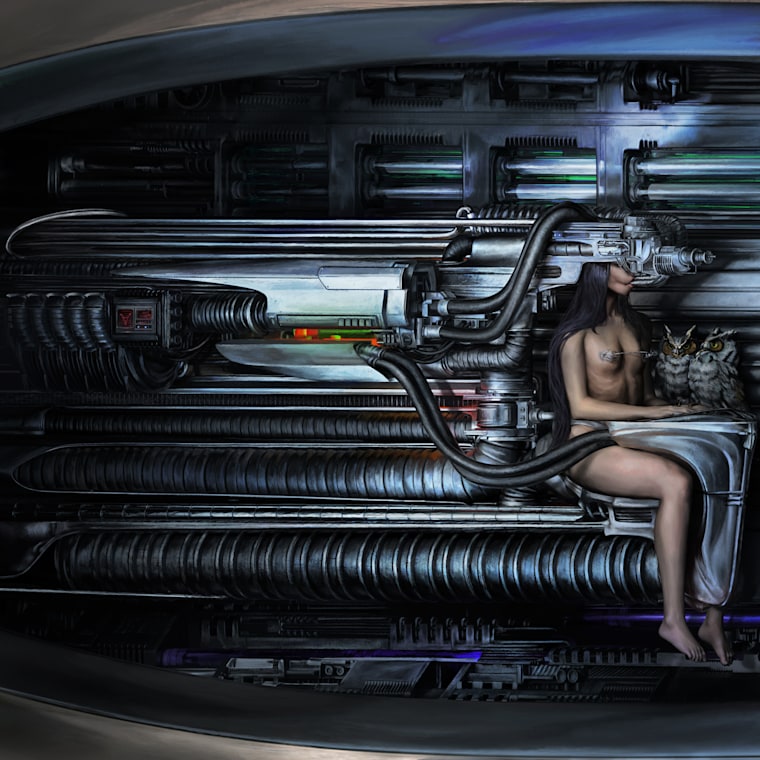
Album Artwork by Kaan Ulgener.
XXXXX tracklist:
1. No End
2. Willow
3. Eidolon
4. Heart
5. Syncope
6. Raver
7. Cinch
8. Fxck
9. Finisher
10. Taconeando
11. Futurality
12. Grip
13. Enraptured
14. Throb
15. Everything
16. SueñoRecent Posts
Primavera Sound Barcelona 2027: Lineup, Ticket Details, and Essential Info
Primavera Sound Barcelona 2027: Lineup, Tickets, and Essential Details
Department of Homeland Security Responds to Hayley Williams’ On-Stage Comments
We Explain Rolling Loud: The Movie
Audrey Hobert’s Jokes Are Universal: A Night at Brooklyn Paramount