Moon City Masters Finally Stopped Caring and Made Their Best Record Yet
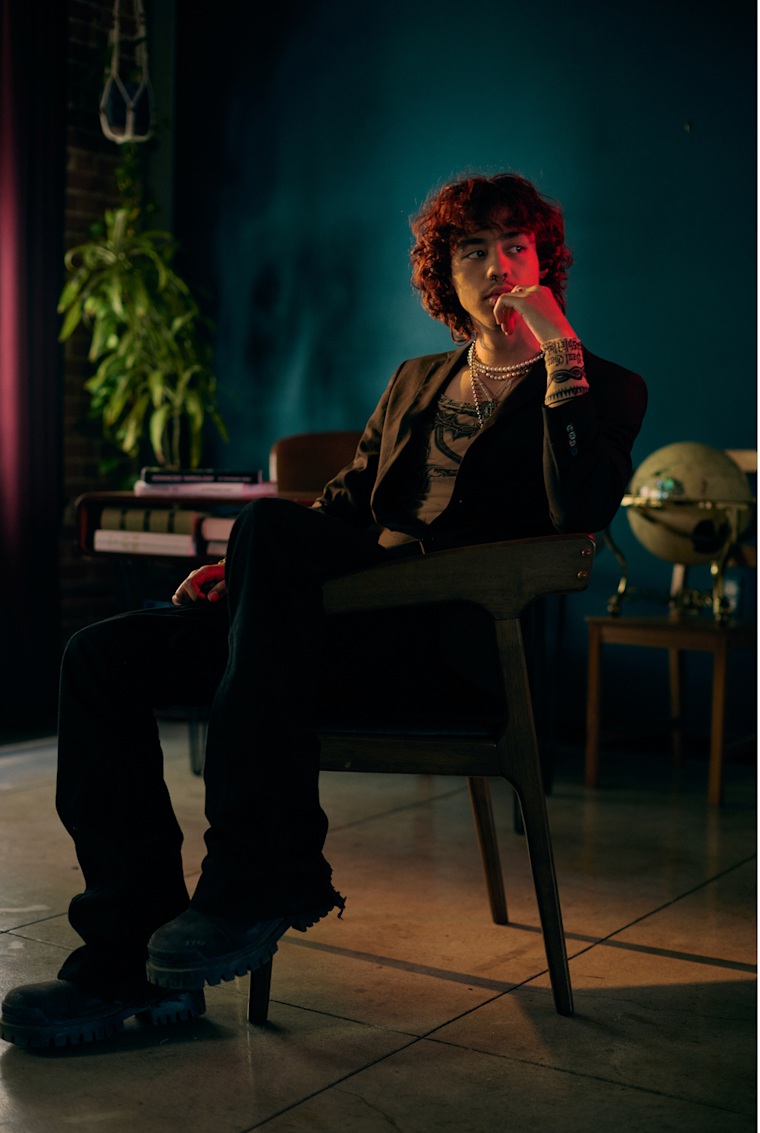
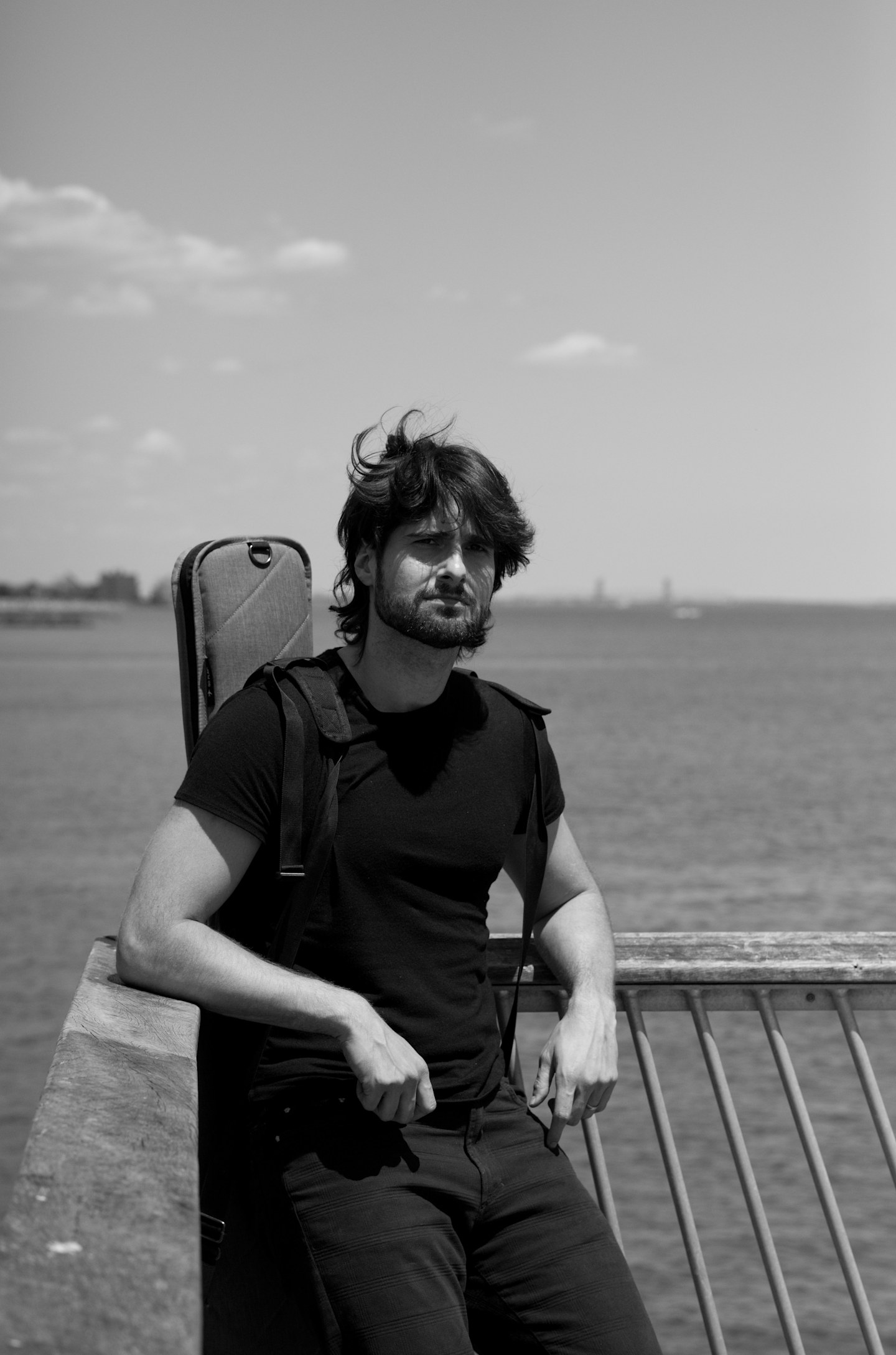
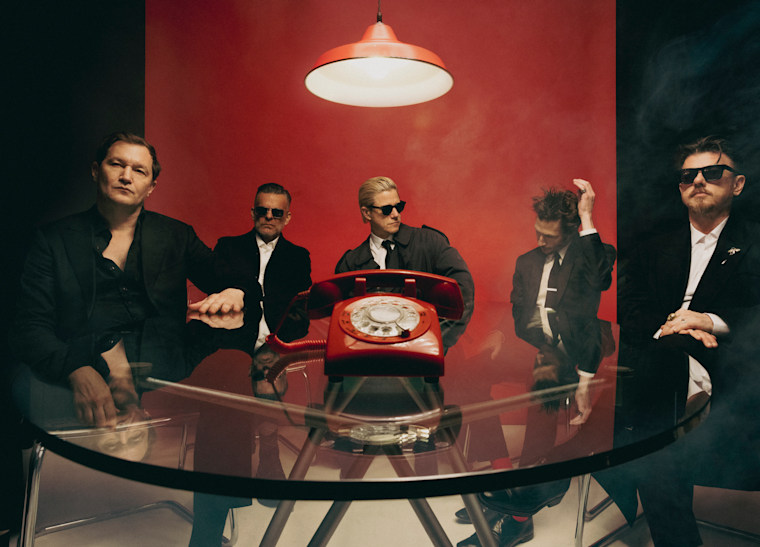
The name Moon City Masters was never intended to be a logical descriptor. For Brooklyn-based twins Jordan and Talor Steinberg, the moniker was born from a moment of whimsy. As Talor, the group’s guitarist and vocalist, recalls, their older brother suggested the name with a specific scenario in mind: imagine walking into a club, seeing a band with such an absurd name, and staying out of pure curiosity—only to be floored by the quality of the performance. It is a fitting origin story for a duo that has spent their career balancing reverent nostalgia with a modern, uncompromising creative vision.
The band’s sound is a testament to their eclectic musical upbringing. Drawing from the progressive structures of Rush and the soulful, groove-heavy foundations of Earth, Wind & Fire, the Moon City Masters operate in a space that feels like both a time capsule and a bold reinvention. “Sometimes, I think we’re built for a different era,” Talor explains. “Our music is straightforward, but it’s not algorithmically straightforward.”

A Legacy of Sound
The twins’ musical DNA is deeply rooted in the classic rock canon. Their father, a musician in the early 1970s, introduced them to the foundational sounds of The Beatles, The Rolling Stones, The Who, and Led Zeppelin. As they matured, their palette expanded to include the technical prowess of Van Halen and the intricate jazz-fusion movements of the late ’70s. Talor’s deep dive into the catalogs of Parliament-Funkadelic and Tower of Power eventually added a layer of rhythmic complexity that defines their current output.

On their latest album, Plastic Palace, these influences coalesce into a cohesive, funk-forward experience. Tracks like “Equal Access” channel the spirit of The Gap Band, while the instrumental “Mingo” highlights the telepathic, in-sync musicianship that only siblings who have played together since childhood can achieve.

The Freedom of Letting Go
For the Steinberg brothers, the creative process has historically been fraught with the pressure of external expectations. Jordan, who handles vocals and bass, admits that previous records suffered from overthinking. “When you’re hyperthinking about other people, sometimes you make really bland music,” he notes. “Or when you’re trying to be the most original band in the world, you sometimes make really self-indulgent music.”
With Plastic Palace, the directive shifted toward total creative liberation. “This album was no fucks given anymore, let’s just fully embrace everything we’re about,” Jordan says. This shift in mindset has allowed them to lean into their identity without the fear of industry gatekeepers.

Reflecting on the current landscape for rock musicians, the duo acknowledges that platforms like ReverbNation and BandLab have provided a vital lifeline. “Dudes playing rock music in their 30s, 20 years ago, would have been dead in the water,” Talor observes. “There were labels and gatekeepers, and that was the only way to get any traction.”

Ultimately, the Moon City Masters are focused on the work itself. Whether they are playing festivals across Europe or building their audience online, the goal remains consistent: more music, more shows, and more connection. As Talor puts it, “If this can make us a good living, that’s cool. But if we’re surviving other ways while doing this, that’s fine too.”