Back in 2017, after spending months holed up in Los Angeles, Wizkid proposed a grand revolution of Afropop with the release of his third studio album, Sounds From The Other Side. Running his Lagos-pioneered sound through pop, dancehall, and reggaeton filters, Wizkid took the first steps in the contemporary crossover of Afropop into the United States by presenting the genre as the newest shiny entrant into global pop’s architecture. His strategy would be assimilation: deftly folding distinctive African polyrhythms into recognizable Western musical sonic pathways. It’s a strategy that, ultimately, yielded results, helping Afropop gain a foothold stateside.
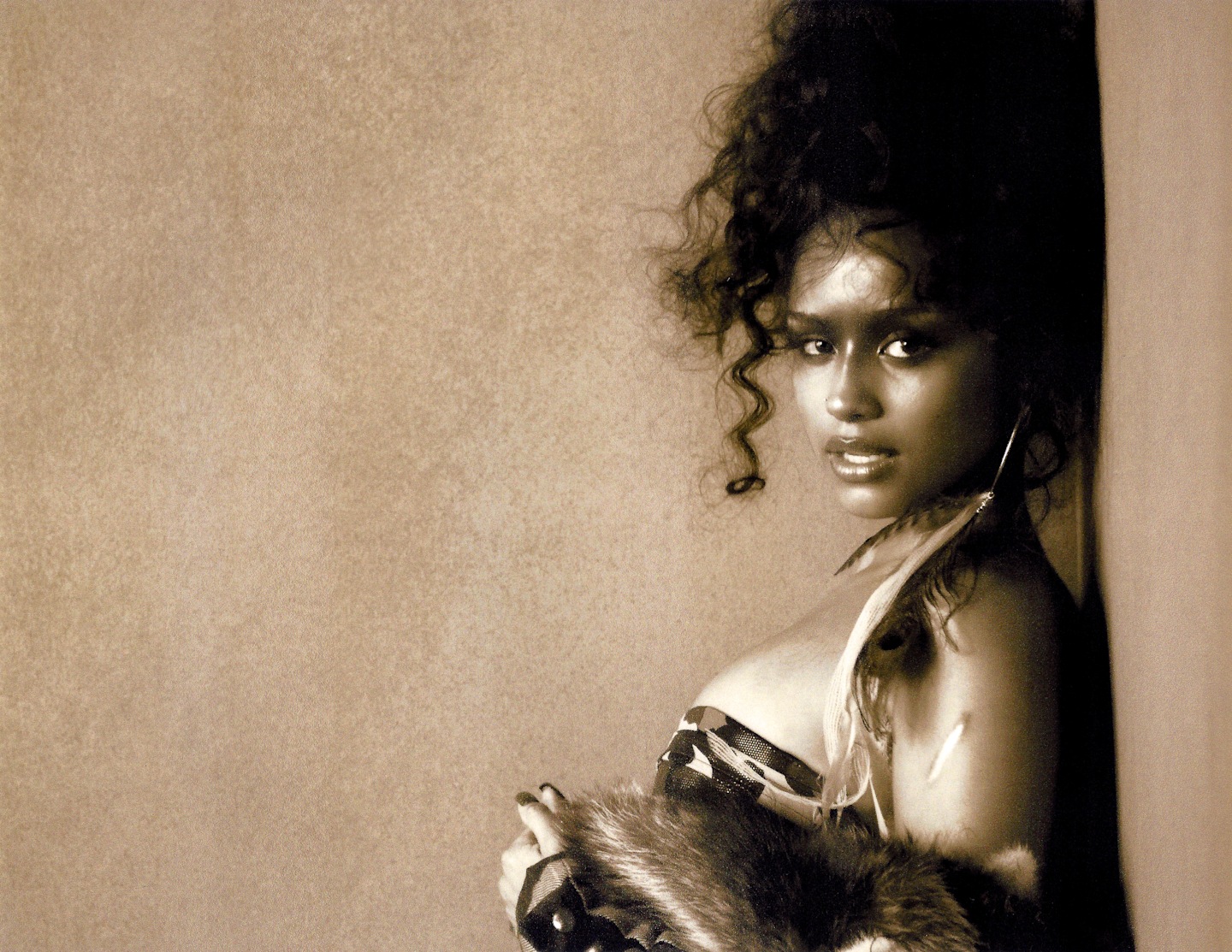 Photo by Catherine LoMedico
Nearly one decade later, the landscape is changing. Afropop has become a recognizable part of global music DNA, but it is still nowhere near the behemoth it promised to be. In certain parts of the continent, urgent conversations are being held about whether the music that reaches audiences across the world still carries the unique identifiers that have traditionally propelled African music.
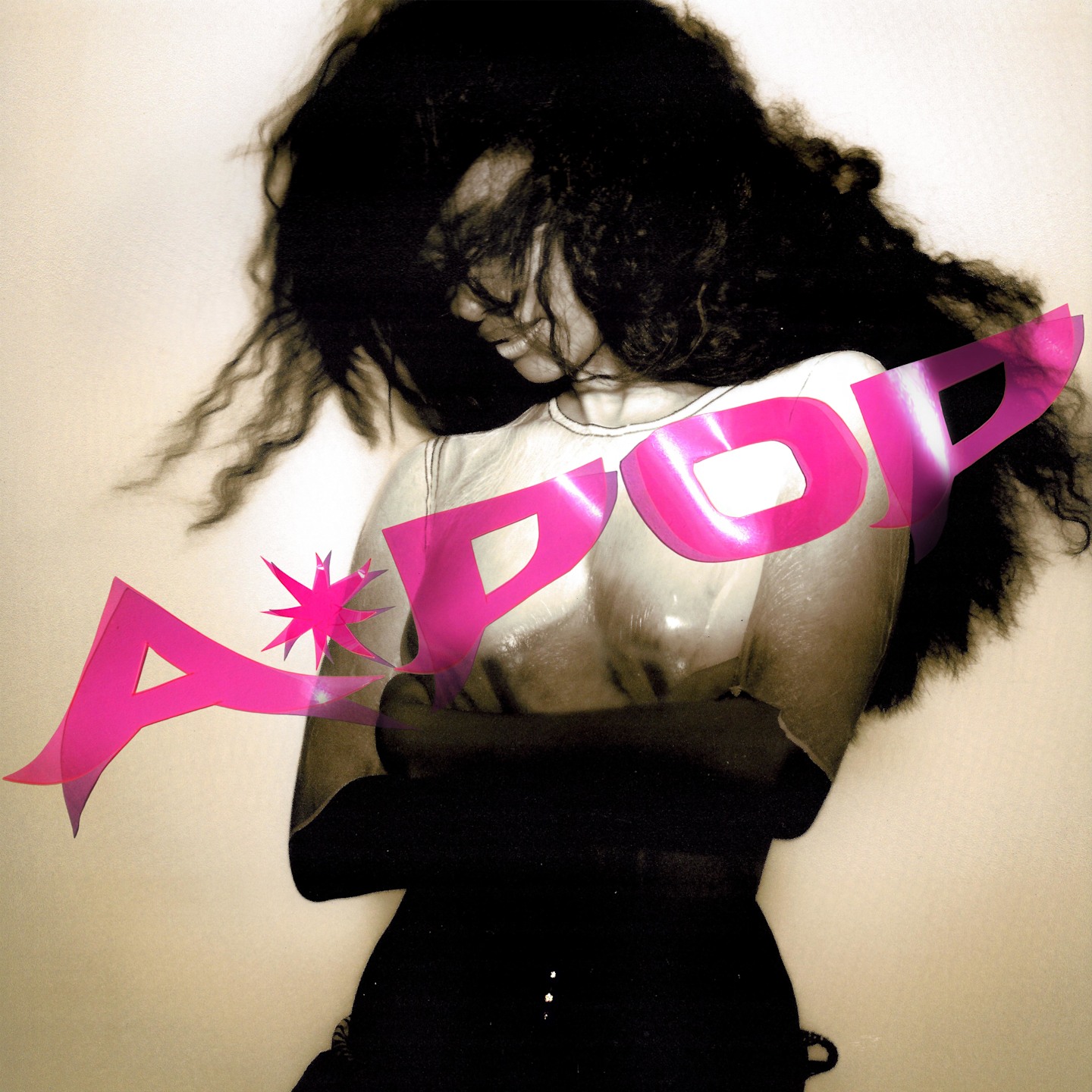 via the artist/John Patrikas
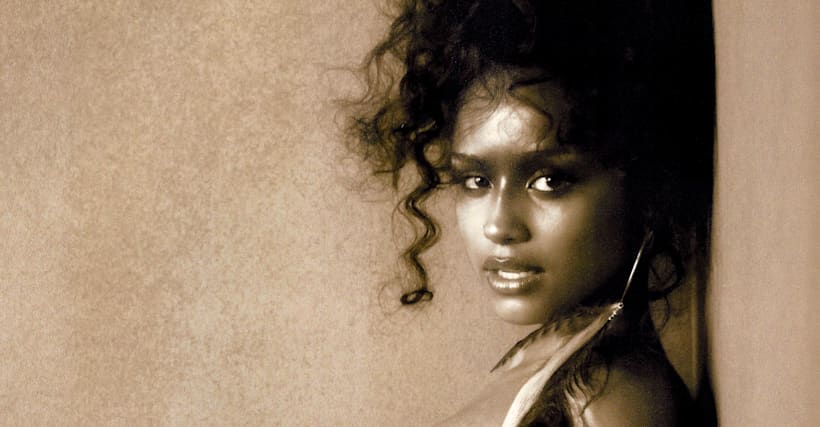
In a time of great uncertainty, South Africa is imbuing African pop with new impetus thanks to a plethora of electronic and dance music variants that constantly reenergize the soundscape and stretch the boundaries of our collective imagination. Building on the momentum of her home country’s exciting music scene, South African star Tyla is aiming to radically broaden the scope of African pop with her sophomore album, A*POP.
Three years after her breakout hit “Water” scaled charts across the world and introduced her entrancing fusion of R&B and amapiano, Tyla has remained one of Africa’s most visible acts without losing the essence of her pithy sound. It has been made possible by a determination to never lose touch with the pulse of music back home. That cultural tethering is an important part of Tyla’s artistic composition. Going into her sophomore album, the 24-year-old has been doubling down on her identity as an African pop star, railing against the critics who question the profundity of her connection to the motherland. Where the expectation would be for an African pop star to look or sound a specific way, on A*POP, Tyla is stepping out as a new type of music star from Africa, determined to explode those antiquated presumptions to smithereens.
Tyla is stepping out as a new type of music star from Africa, determined to explode those antiquated presumptions to smithereens.
Much was made of Tyla’s self-titled debut album, which was built around pop-piano. On A*POP, she strides into the component parts of amapiano more confidently, taking up space as both collaborator and cultural emissary. On “CRAZY OF ME,” powerhouse vocalist MaWhoo dials in for a balmy duet, trying to take stock of a faltering relationship. It’s a more pointed embrace of her musical heritage than anything that Tyla has done so far in her career, placing one of amapiano’s foremost voices next to hers on an album designed for global ears.
The thing about A*POP is that it’s imagined as a reckoning of sorts that only comes to resolution in parts. Like Wizkid’s Sounds From The Other Side, it’s only an opening statement in breaking a fuller picture of African pop stardom to the Western world. As it is, Tyla is at the helm of a new generation of African stars like Ayra Starr, Joshua Baraka, Andi K, and Rema who are presenting themselves as they are to the world and positioning the music of the continent as the core of their work. By spotlighting the multiple variants of amapiano and South African house and soul in her orbit on parts of A*POP, Tyla has achieved a new high for African music.
Recent Posts
Recent Posts

AlphaTheta’s Studio Plan Lets DJs Edit and Remix Their Libraries

Julia Cumming Joins Wolf Alice for Olivia Rodrigo’s ‘Unraveled’ Tour

Sasha Keable Delivers Soulful Performance on Saturday Night Live UK

pinponpanpon Unveil Manga Alongside Debut Album ‘pinponism’

Behind the Scenes: Gunna and Coco Gauff’s “Pop It” Music Video