
Ayra Starr Makes Music for Girls with Galaxy-Sized Dreams
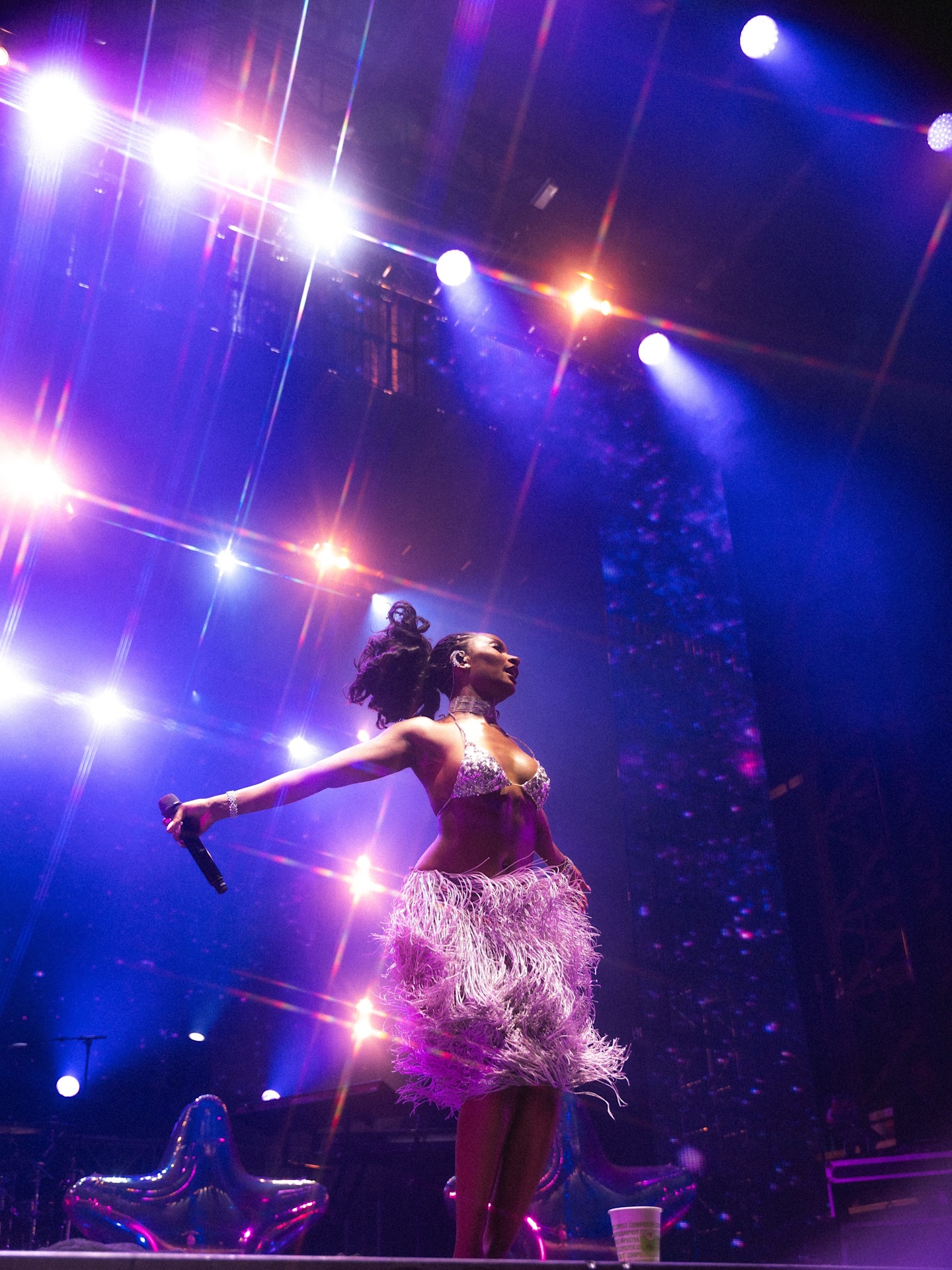
Ayra Starr is belting into a bedazzled microphone with one giant silver star sitting atop it. The crowd in front of her is screaming along bar for bar, even though the song she’s playing, “Dangerous,” dropped just 11 days ago. Night has fallen in London, so that means the purple lights punctuating Starr's set as she closes the North stage at All Points East U.K. pierce through the dusty festival air even more dramatically.
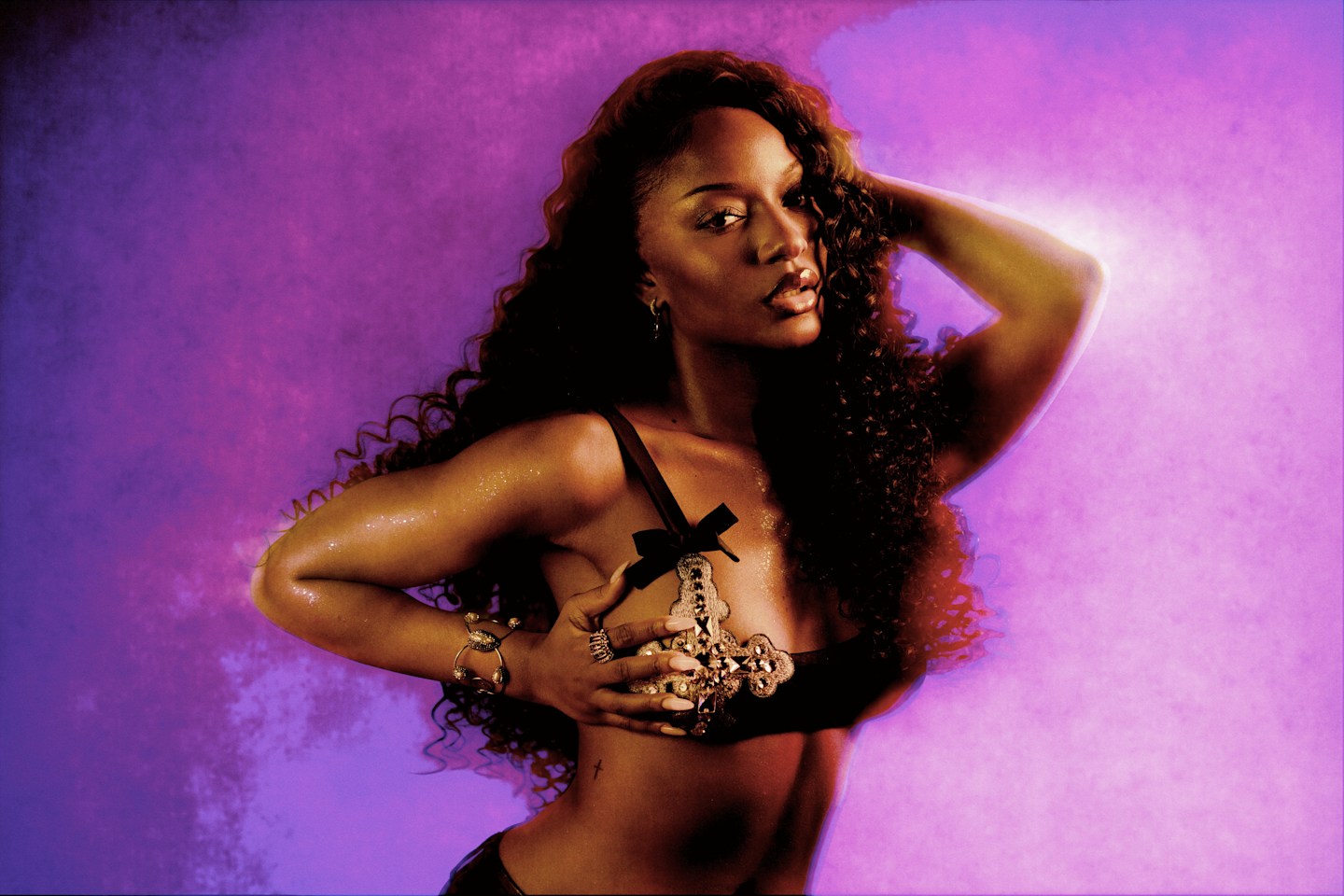
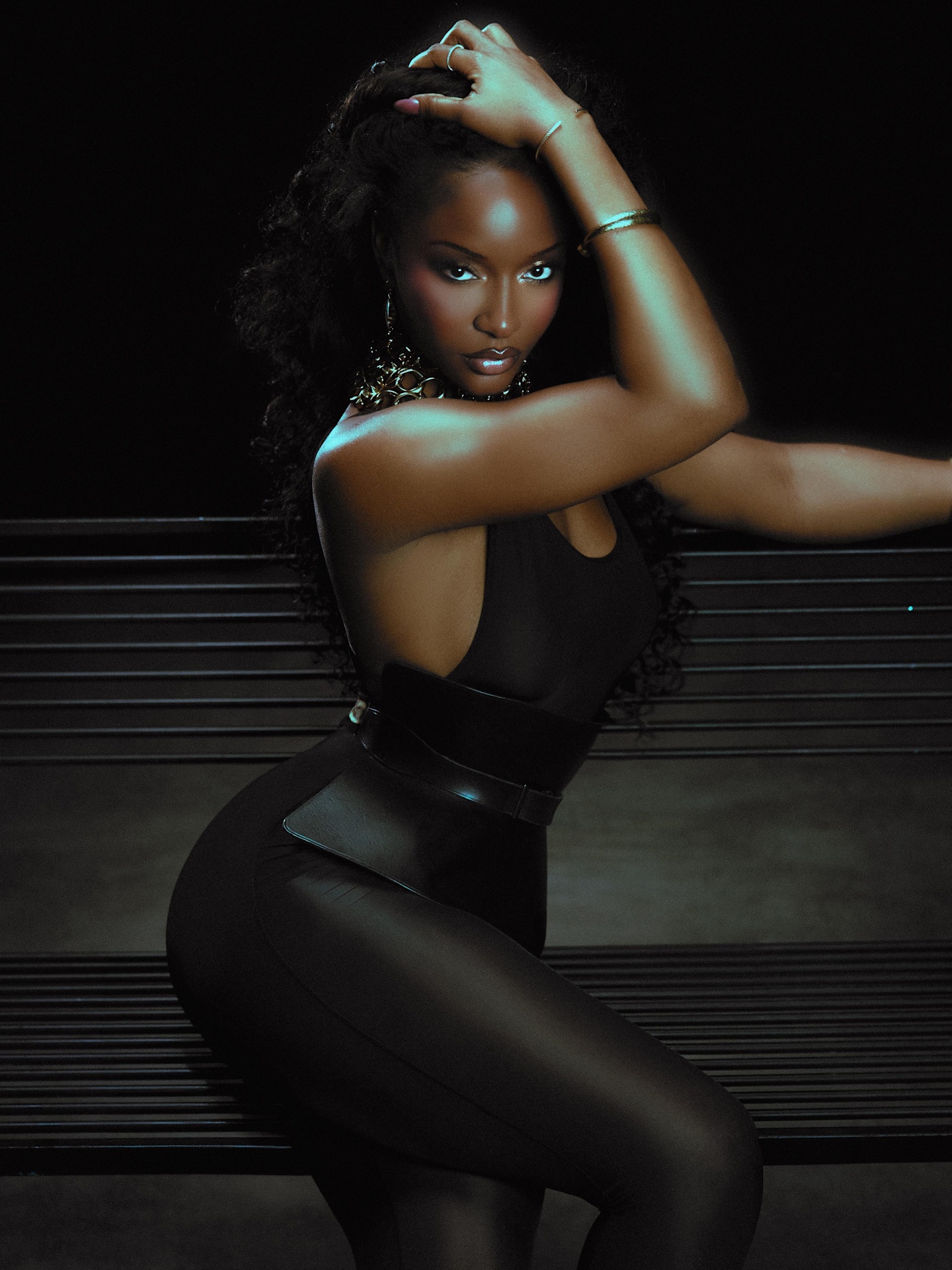
Standing in the crowd, one is reminded of something she shared regarding her latest album, Starrgirl. “There’s no other Ayra Starr. There’s no other Ayra Starr that’s Yoruba, there’s no other Ayra Starr that’s going to have a gele on her album cover,” she noted. Her personality, one defined by supreme confidence, suggests a shift in her artistic perspective: “I’ve been moving from the point of view of I have to be. With Starrgirl, it’s just like, I am.”
I’ve been moving from the point of view of I have to be. With Starrgirl, it’s just like I am. —Ayra Starr
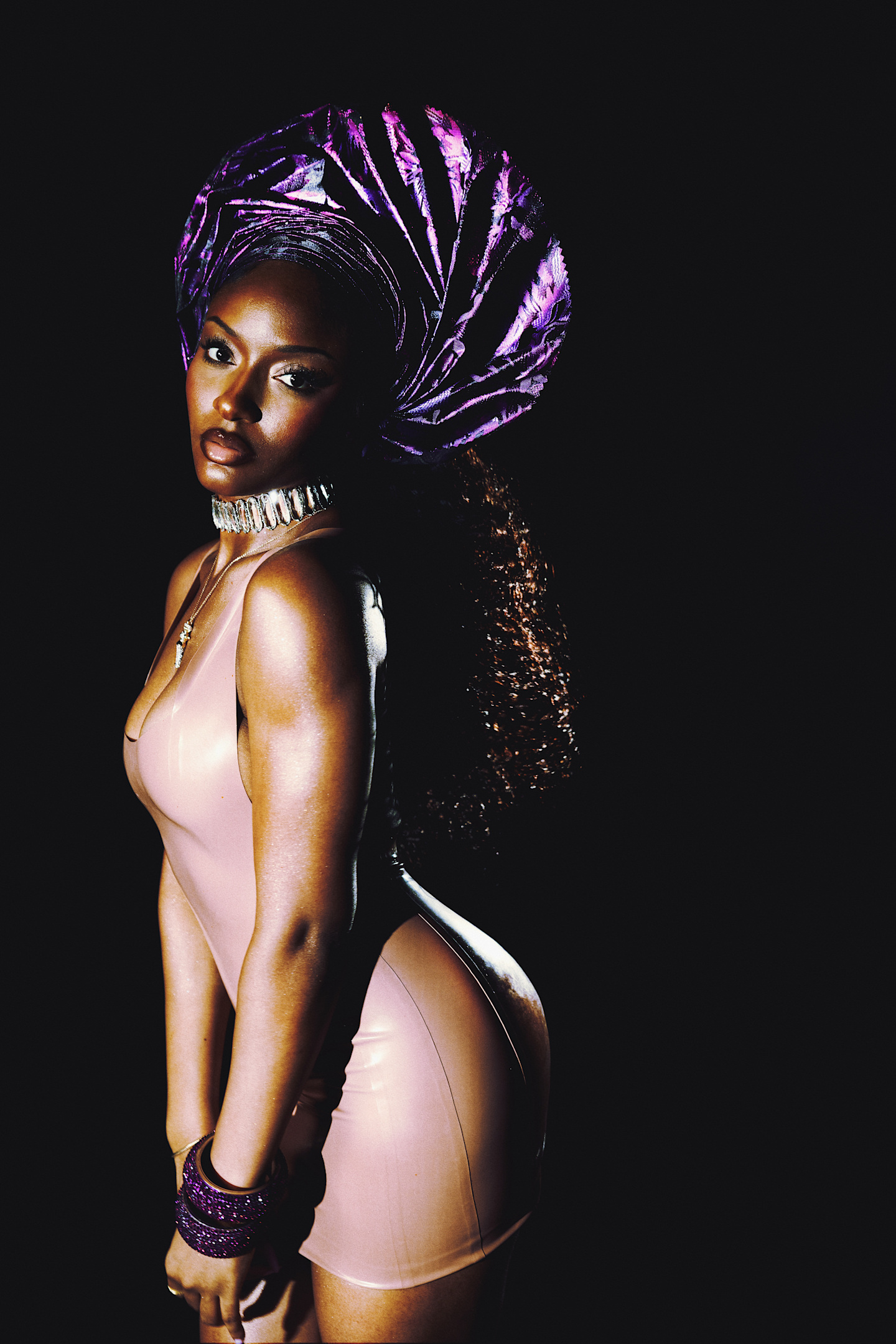
Defining a New Era of Afrobeats
Ayra’s newfound mindset—that she is already everything she aspires to be—is a natural evolution for a genre-bending artist. Across her discography, including 19 & Dangerous and The Year I Turned 21, she has consistently defied traditional Afrobeats frameworks. Her third studio album continues this trajectory, blending amapiano rhythms and Afrobeat foundations with R&B and pop sensibilities. As she puts it, "Anybody can make a song, but I made a good album. And that’s a flex."
During our conversation, the artist reflected on her growth since moving to New York City. Living solo has been a significant adjustment for the star, who grew up in a bustling household in Lagos. It has underscored how far she has come from her days watching Disney Channel and dreaming of pop stardom. Her approach to Starrgirl was intentional, featuring collaborations with artists like ZAYN, Rema, and Wizkid, while maintaining a spacey, celestial production quality that mirrors her ambitious vision.
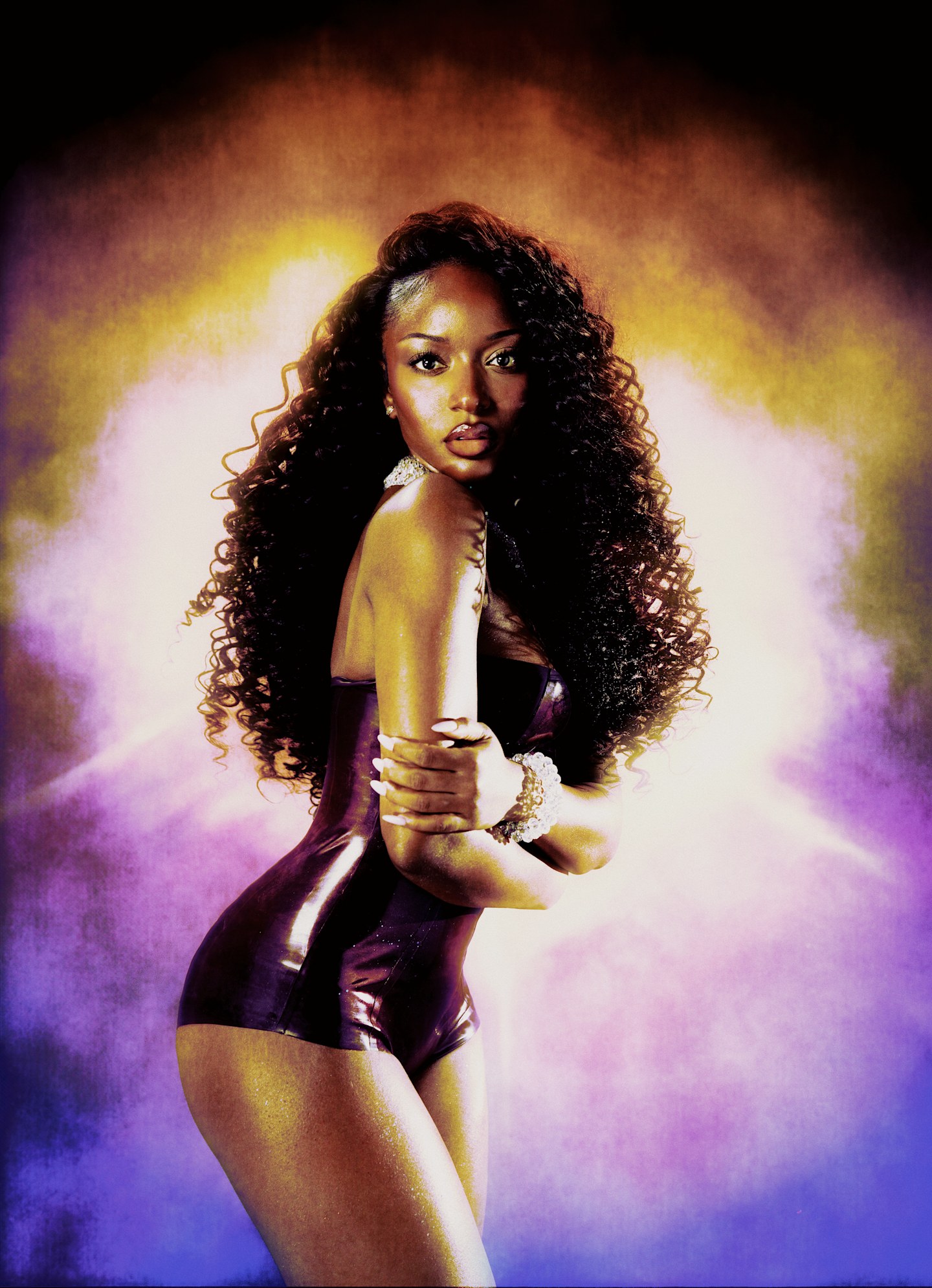
Anybody can make a song, but I made a good album. And that’s a flex. —Ayra Starr
Ultimately, Starrgirl serves as the completion of a trilogy. It is a cohesive, zero-skip project that functions as an adult version of her childhood diaries—filled with heartbreaks, prayers, and manifestations. For Ayra Starr, the closer she gets to her authentic, childlike self, the more powerful her music becomes.

Recent Posts

AlphaTheta’s Studio Plan Lets DJs Edit and Remix Their Libraries

Julia Cumming Joins Wolf Alice for Olivia Rodrigo’s ‘Unraveled’ Tour

Sasha Keable Delivers Soulful Performance on Saturday Night Live UK

pinponpanpon Unveil Manga Alongside Debut Album ‘pinponism’

Behind the Scenes: Gunna and Coco Gauff’s “Pop It” Music Video